Iran-US-Israel War Daily Life 2026: Tensions in Tehran, Strait of Hormuz Crisis, and the Reality of Life Under Geopolitical Pressure
Public Sentiment in Iran
Iranian society contains a wide range of political opinions.
National Pride and Criticism
Many citizens feel strong national pride while also criticizing domestic economic conditions.
These perspectives are not mutually exclusive.
War Fatigue
Decades of sanctions, regional tension, and political isolation have created exhaustion among parts of the population.
Many people simply desire economic stability and peace.
Generational Differences
Younger Iranians often have different priorities than older revolutionary generations.
Technology, education, employment, and global connectivity shape modern social expectations.
Conclusion
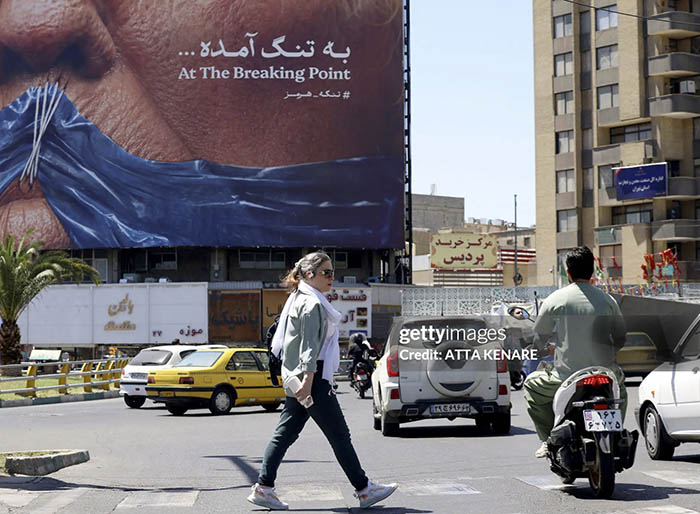
The images from Tehran on May 10, 2026, capture a powerful moment in Middle East geopolitics. Iranian citizens walking beneath anti-US and anti-Israel murals symbolize the intersection of ordinary daily life and international confrontation.
As tensions rise between Iran, the United States, and Israel, the world watches closely for signs of escalation or diplomacy. The Strait of Hormuz remains a critical strategic chokepoint, global energy markets remain vulnerable, and regional security hangs in delicate balance.
Yet beyond military analysis and political rhetoric are millions of civilians navigating uncertainty. Families in Tehran continue working, studying, commuting, and building their lives beneath murals representing decades of ideological conflict.
The Iran-US-Israel crisis is therefore not only a geopolitical story. It is also a human story about resilience, identity, nationalism, economic pressure, and the realities of daily life under the shadow of potential war.
As global powers continue competing for influence in the Middle East, the streets of Tehran remain one of the world’s most visible stages for political symbolism, resistance narratives, and the enduring impact of international conflict on ordinary people.