The Islamic Republic’s Instrumental Misuse of War Ruins: Propaganda
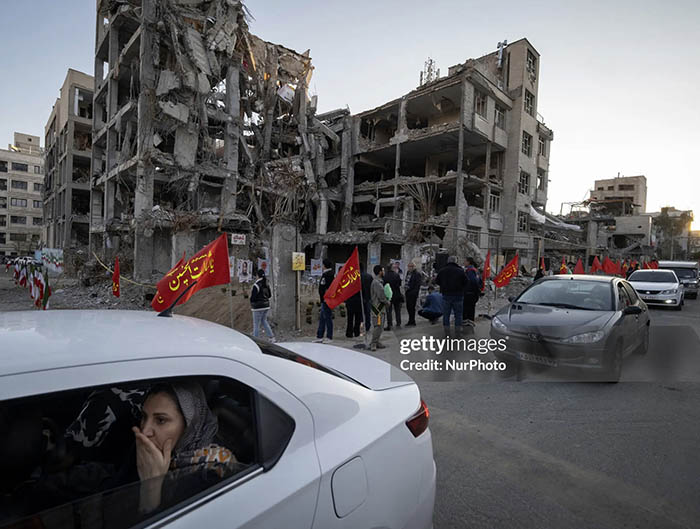
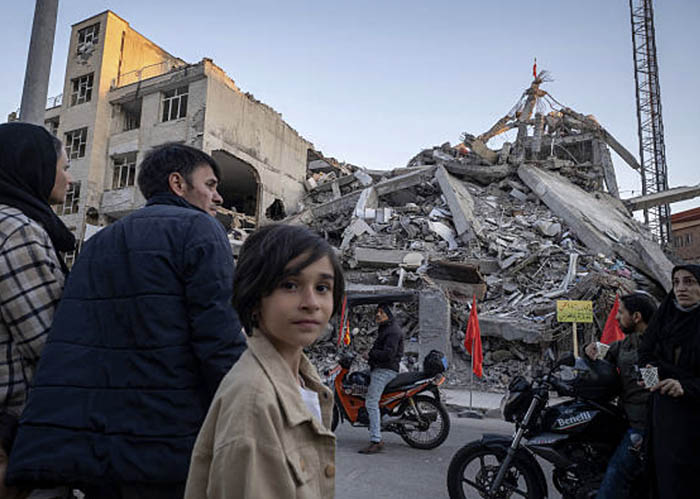
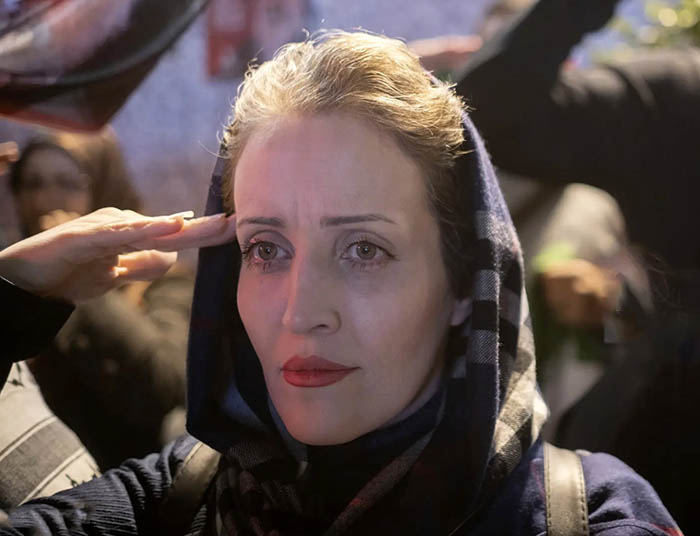
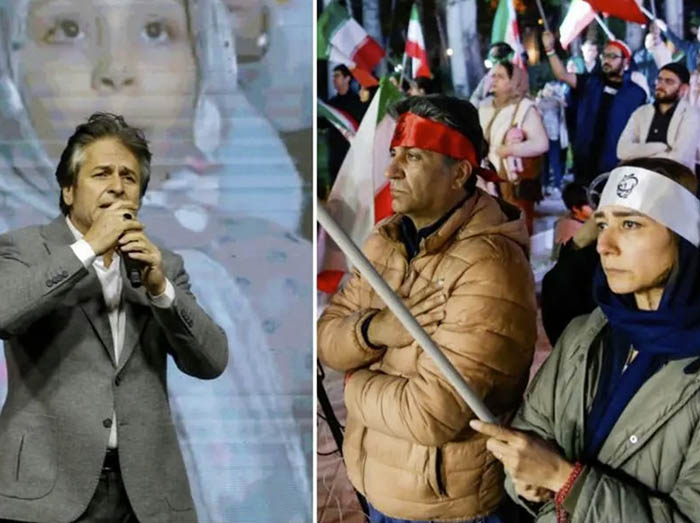
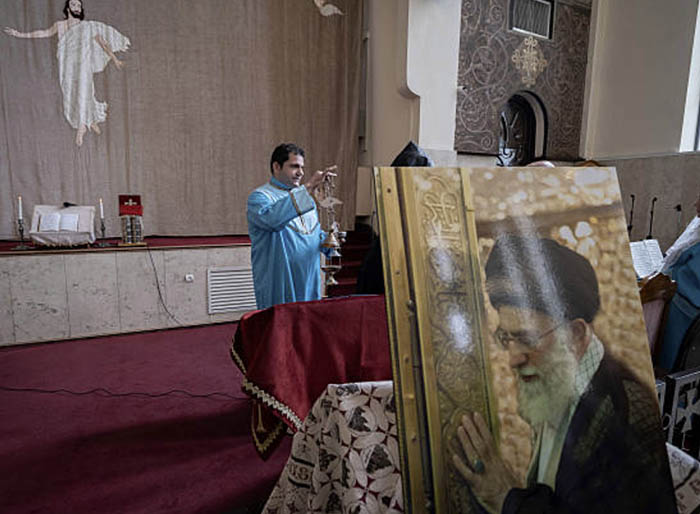
The use of performance within these environments is particularly significant. Stages erected near damaged buildings, gatherings organized in visible locations, and coordinated activities all point to a level of planning that goes beyond spontaneous public response. These are not random acts of mourning or remembrance. They are structured events designed to produce specific visual outcomes. Every photograph taken in such settings contributes to a growing archive of images that reinforce the same core narrative.

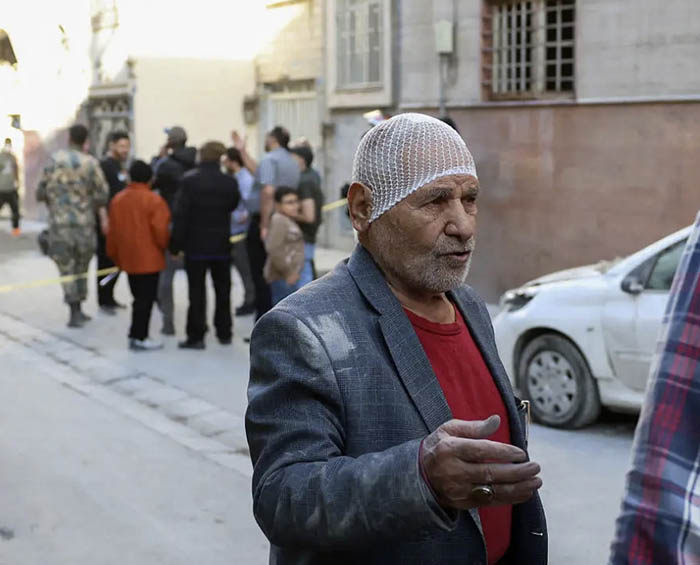
In the age of digital media, the circulation of these images is as important as their creation. Social platforms, news outlets, and international audiences become part of the process. The ruins of Tehran are no longer confined to a local context. They are broadcast globally, entering into a competitive environment where different actors attempt to shape interpretation. In this space, visual clarity often outweighs analytical complexity. A single image of a family walking past destroyed buildings can have more impact than detailed reports about the strategic objectives of military operations.

This dynamic places significant importance on control over access and framing. By allowing and encouraging certain types of presence in these areas, the state effectively curates what can be seen and how it can be seen. The absence of alternative narratives within the same visual field strengthens the intended message. When images consistently show unity, resilience, and controlled emotional expression, they limit the space for interpretations that might emphasize dissent, confusion, or criticism.

Pages ( 5 of 21 ): « Previous1 ... 34 5 67 ... 21Next »
April 10, 2026 | 6:19 pm