How to Stop Nail Biting: 12 Powerful Tips to Quit for Good
The Journey to Overcoming Nail Biting: Persistence and Patience
As you embark on the journey to quit nail biting, it’s important to acknowledge that breaking any habit requires time, effort, and a positive mindset. Habits like nail biting often develop over years, which means they won’t disappear overnight. The key to success lies in consistency and persistence.
The Psychological Aspect of Nail Biting
Understanding the psychological foundation of nail biting can help you overcome it more effectively. For many, nail biting is an unconscious behavior—a quick response to feelings of anxiety, boredom, or even excitement. To successfully quit, it’s crucial to become aware of when and why you bite your nails.
How Habits Form and Break
Nail biting, like any other habit, follows a cue-routine-reward loop. Here’s how it works:
- Cue (Trigger): This is the emotional or physical trigger that prompts the behavior. In the case of nail biting, the cue could be stress, boredom, or anxiety.
- Routine (The Habit): The routine is the nail biting itself. This action is triggered as a coping mechanism or automatic response.
- Reward (Satisfaction): After biting your nails, you might feel a momentary sense of relief or satisfaction. This creates a cycle that reinforces the behavior.
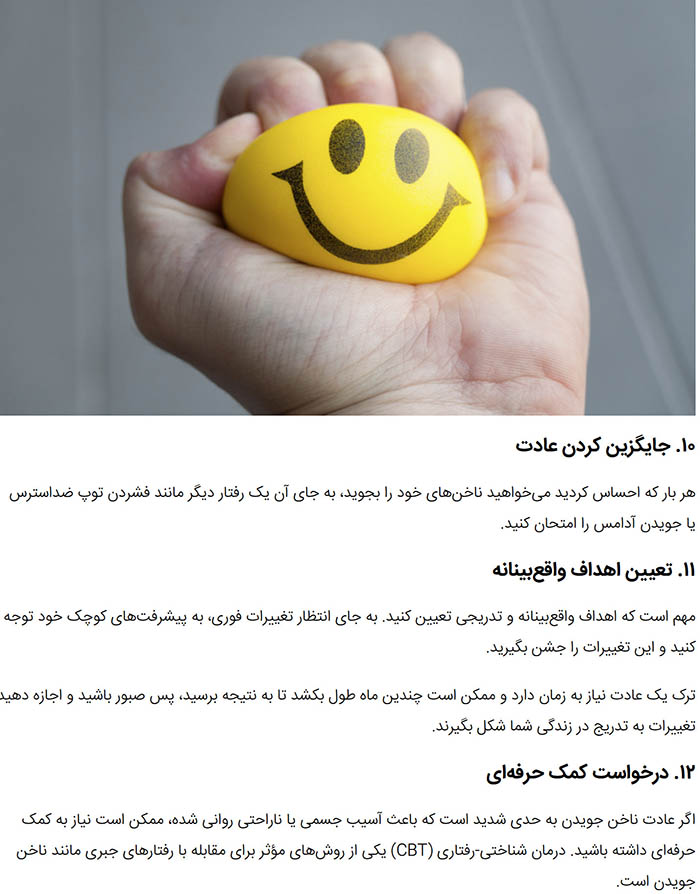
To break the habit of nail biting, you must identify the cues and rewards that drive the behavior. Once you’re aware of these, you can begin to replace the routine (nail biting) with a healthier alternative. For instance, if stress is the trigger, you could replace nail biting with deep breathing exercises or squeezing a stress ball.
Building New, Healthier Habits
While it may seem challenging to rewire your brain, it’s absolutely possible. Neuroplasticity—the brain’s ability to form new neural connections—enables you to break old habits and create new, healthier ones. To successfully quit nail biting, focus on building habits that support your goal, such as nail care, stress management, and mindful awareness.
The Power of Repetition
Repetition is key when building a new habit. Consistently practicing alternative behaviors, such as chewing gum or knitting when you feel the urge to bite your nails, will gradually replace the nail-biting habit. Remember, the more you practice these new behaviors, the more ingrained they become.
Reward Yourself for Progress
Another essential aspect of habit formation is rewarding yourself for small victories. As you make progress toward quitting nail biting, it’s important to acknowledge and celebrate your achievements. Positive reinforcement helps solidify the new habit, making it easier to maintain long-term.
For example, you can reward yourself with a manicure, new nail polish, or even a special treat when you meet your goals. Small rewards will motivate you to stay on track and remind you of the progress you’ve made.
October 24, 2024 | 6:44 pmMore stories

The Islamic Republic’s Instrumental Misuse of War Ruins: Propaganda
Introduction In the aftermath of the March 9 military strikes attributed to joint U.S.-Israeli operations, parts of residential Tehran were … Continue reading ➝

Iran Funeral Ceremony 2026: Rising Tensions After Killing of IRGC Intelligence Chief Majid Khademi
Introduction The funeral ceremony of Majid Khademi, the head of the Islamic Revolutionary Guard Corps (IRGC) Intelligence Organization, has become … Continue reading ➝

Tajik and Zanko Street Concert in Ferdows Garden: A Powerful Musical Tribute
Introduction On the evening of Tuesday, 18 Farvardin 1405, Ferdows Garden became the heart of an unforgettable cultural moment in … Continue reading ➝

Prayer Ceremony for Late Supreme Leader Ali Khamenei, The bloodthirsty dictator Amid Ceasefire Tensions
Introduction The death of Ali Khamenei on April 8, 2026, has sent shockwaves across Iran and the wider Middle East, … Continue reading ➝

Israeli-American Strikes in Tehran 2026: Synagogue Destroyed Amid Escalating War
Introduction The ongoing conflict between Iran, Israel, and the United States has reached a devastating new chapter. On April 7, … Continue reading ➝