Ginger from Myth to Reality: Proven Benefits and the Truth About Its Therapeutic Properties
The Origins and History of Ginger: A Cultural and Medicinal Staple
Ancient Roots of Ginger in Traditional Medicine
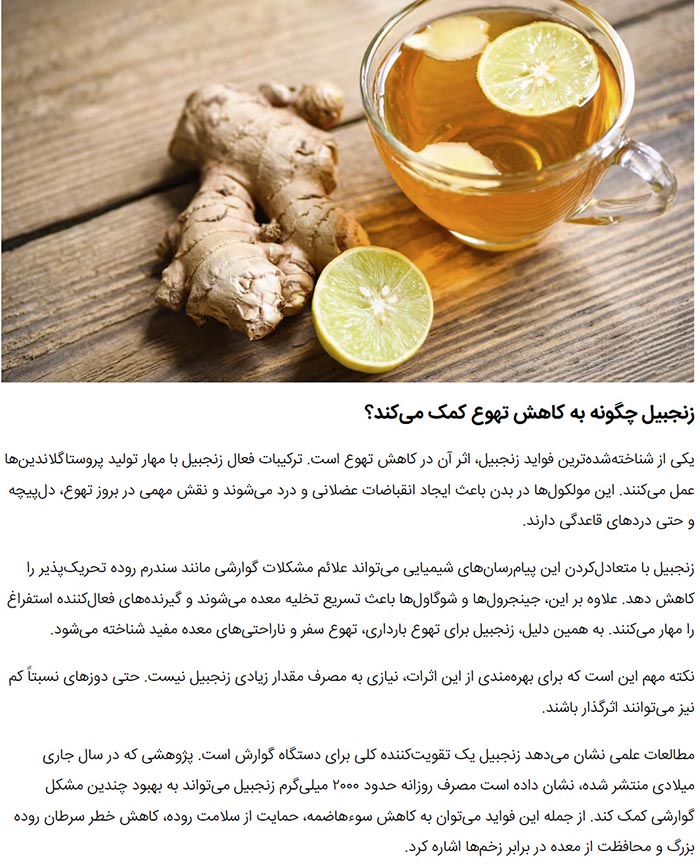
Ginger (Zingiber officinale) is one of the world’s oldest cultivated plants, with a history dating back over 5,000 years. Originating from Southeast Asia, ginger has played a vital role in traditional Chinese medicine, Ayurveda, and other ancient healing systems. In Chinese medicine, ginger was used to improve digestion, warm the body, and treat colds, coughs, and nausea.
The Spread of Ginger Across Continents
Historical records show that ginger traveled from Southeast Asia to India, China, and eventually to the Middle East, Persia, Africa, and Europe via trade routes. It became a highly valued spice in medieval Europe, often used to flavor dishes, preserve food, and as a medicinal ingredient. Today, ginger remains a global dietary staple and natural remedy.
Cultural Significance of Ginger in Traditional Medicine
In Ayurveda, ginger (called “Shunthi”) is used to stimulate digestion, alleviate respiratory issues, and promote overall vitality. Chinese medicine considers ginger a “warming” herb, beneficial for cold conditions and digestive health. Traditional medicine systems worldwide recognize ginger as a versatile, natural healing agent.