Funeral Held for Victims of US-Israeli Attacks: Families Mourn as Tensions Rise in the Middle East
Global Media Coverage
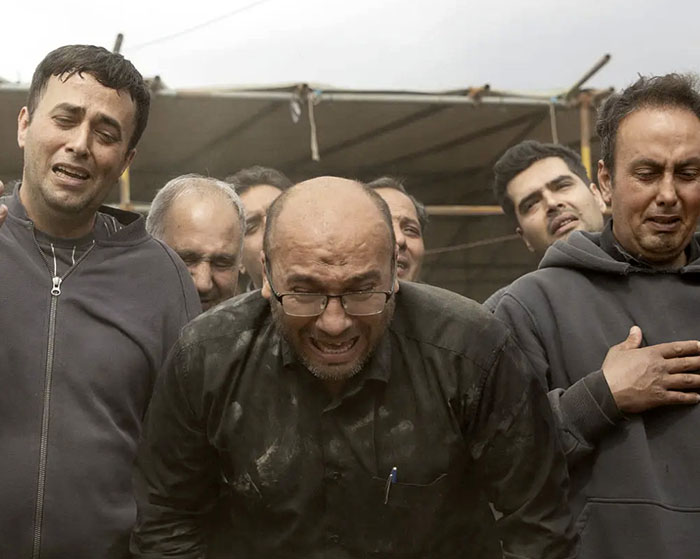
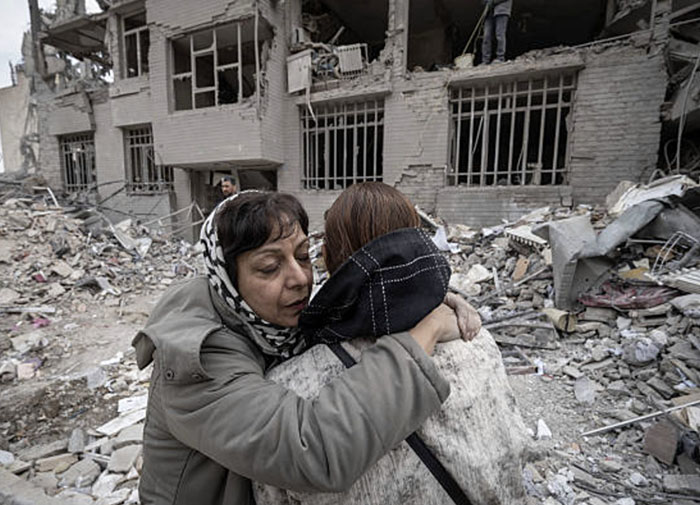
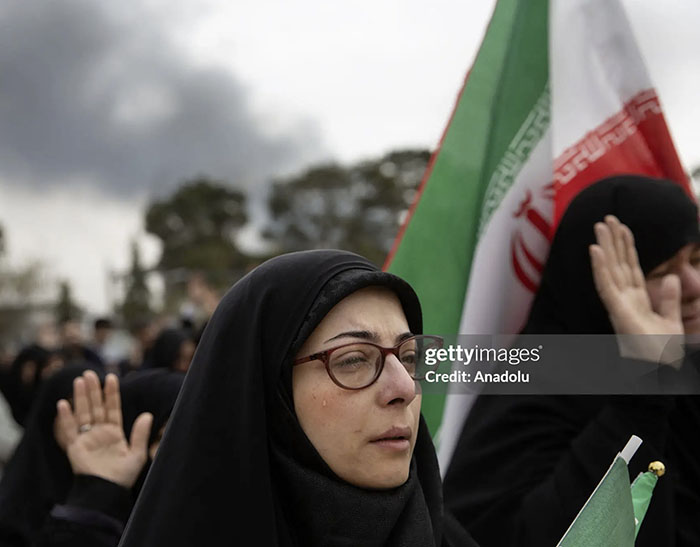
International news agencies and photographers documented the funeral ceremony, capturing images of mourning families and large crowds.
These photographs quickly spread across global media outlets, highlighting the scale of the tragedy and the emotional intensity of the event.
Visual images of grief often resonate strongly with audiences and draw attention to the human impact of geopolitical conflict.
The Role of Public Memory
Funerals for fallen soldiers often become part of a nation’s collective memory.
In Iran, such ceremonies are frequently remembered as symbols of sacrifice and national resilience.
Memorial events may continue in the coming weeks as communities honor those who lost their lives.
Uncertain Future for Regional Stability
As the funeral ceremony concluded, questions remained about what might happen next.
Will tensions escalate further, or will diplomatic efforts reduce the risk of conflict?
For now, the people gathered at Behesht-e Zahra Cemetery were focused on grief rather than geopolitics.
Families left the cemetery carrying flowers, photographs, and memories of the loved ones they had just buried.
Conclusion
The funeral ceremony in Tehran for victims of the alleged US-Israeli attacks on Iran highlighted both the emotional devastation caused by conflict and the broader geopolitical tensions shaping the region.
At Behesht-e Zahra Cemetery, thousands of mourners came together to grieve the loss of soldiers and family members killed in the strikes.
The cries, wails, and lamentations of grieving families echoed across the cemetery, reflecting the deep sorrow felt by those left behind.
While the political consequences of the attacks continue to unfold, the funeral served as a powerful reminder that behind every conflict are real people whose lives are forever changed.