Daily Life Under the Ceasefire: Inside Tehran’s Youth Culture, Street Life, Fashion, and Social Changes in 2026
Tehran in 2026: A City Between Anxiety and Normalcy
Tehran remains the beating heart of Iran. As the country’s largest city and political center, Tehran reflects the contradictions and realities of modern Iranian society more than anywhere else. The ceasefire has reduced fears of immediate escalation, but uncertainty remains deeply present in everyday conversations.
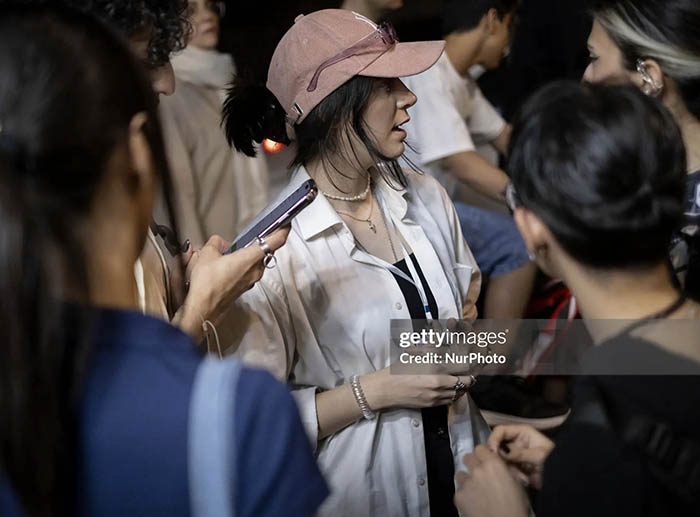
Walking through downtown Tehran in 2026, visitors notice the contrast between tension and routine. Traffic still clogs major roads. Coffee shops remain busy. Young people gather in shopping districts, browse fashion boutiques, and spend evenings in public spaces. Families continue daily routines, while students discuss careers, relationships, migration opportunities, and the future of the country.
Despite regional tensions, Tehran’s streets are alive with energy. Pop-art stores, modern cafes, bookstores, and music performances continue attracting younger generations eager to experience social connection and creative expression. Urban life has adapted to instability rather than disappearing because of it.
Iranian citizens have spent decades living under economic sanctions, political pressure, and cycles of uncertainty. As a result, many residents have developed a practical approach to everyday life. People continue working, studying, socializing, and building relationships even during periods of national stress.
The ceasefire has created a temporary sense of relief for some residents. While fears about the future persist, the reduction in immediate military escalation has allowed Tehran’s social life to regain momentum. Public spaces once again reflect movement, fashion, youth culture, and cautious optimism.
May 16, 2026 | 10:23 am