Daily Life Under the Ceasefire: Inside Tehran’s Youth Culture, Street Life, Fashion, and Social Changes in 2026
Conclusion
Daily life in Iran under the ceasefire reveals a society balancing tension, resilience, creativity, and uncertainty all at once.
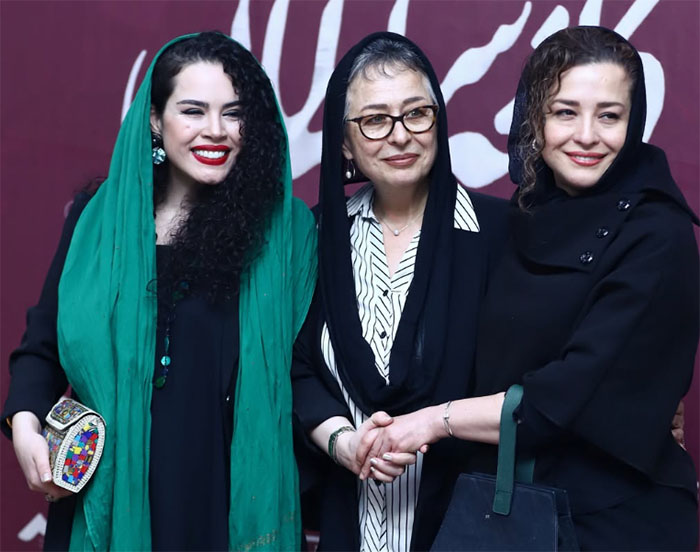
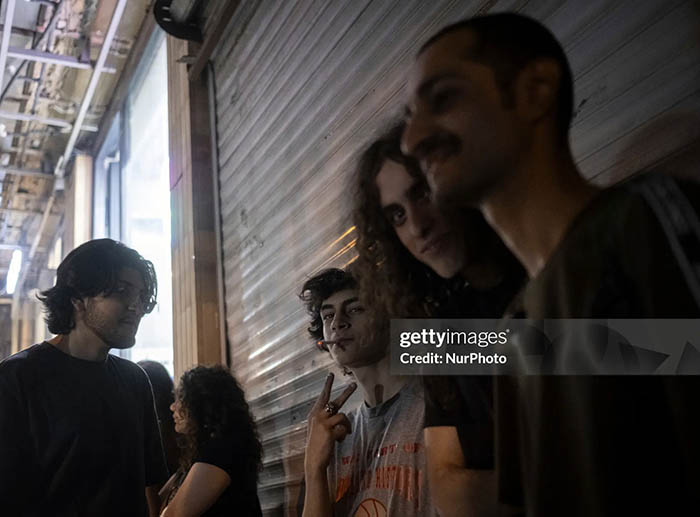
The streets of Tehran in May 2026 show far more than geopolitical headlines. They reveal young women shopping at pop-art stores, friends gathering outside cafes, musicians performing on sidewalks, students discussing the future, and ordinary citizens trying to preserve dignity and normalcy in difficult circumstances.
Modern Tehran is a city where tradition and modernity intersect constantly. Fashion trends coexist with cultural expectations. Economic pressure exists beside consumer creativity. Anxiety about the future exists alongside laughter, friendship, and public social life.
Iranian youth culture continues shaping the country’s urban identity through fashion, art, music, technology, and social connection.
Women remain highly visible in education, shopping districts, cafes, and public spaces despite ongoing debates about rights and restrictions.
The ceasefire has provided temporary emotional relief for many residents, but uncertainty remains part of daily consciousness.
Still, Tehran continues moving.
Its sidewalks remain crowded. Its cafes remain full. Its music continues playing.
The photographs of young Iranian women and youths in downtown Tehran capture this reality powerfully. Beneath the headlines about regional tension exists a deeply human story about adaptation, identity, survival, and the search for ordinary happiness.
As global audiences continue searching for information about Iran in 2026, understanding daily life beyond politics becomes increasingly important.
The real story of Tehran under the ceasefire is not only about conflict.
It is also about resilience, culture, friendship, youth, and the determination to continue living fully even in uncertain times.