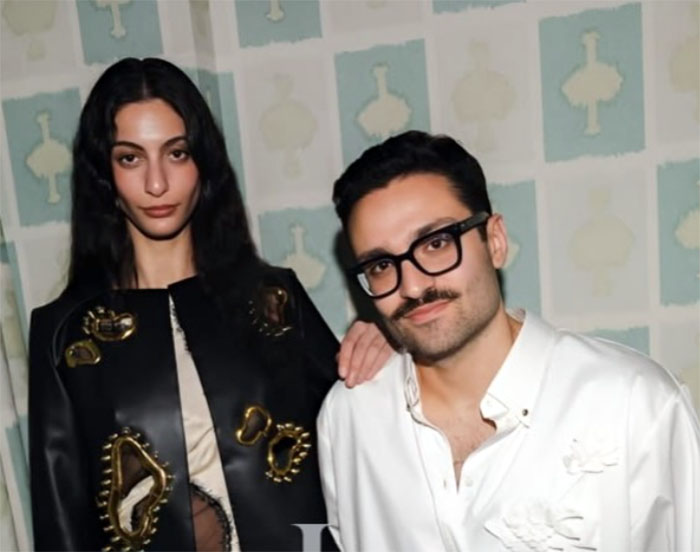
Amir Taghi Brings Heritage and Asiatic Cheetah Inspiration to Vogue’s 2026 Sustainable Fashion Challenge
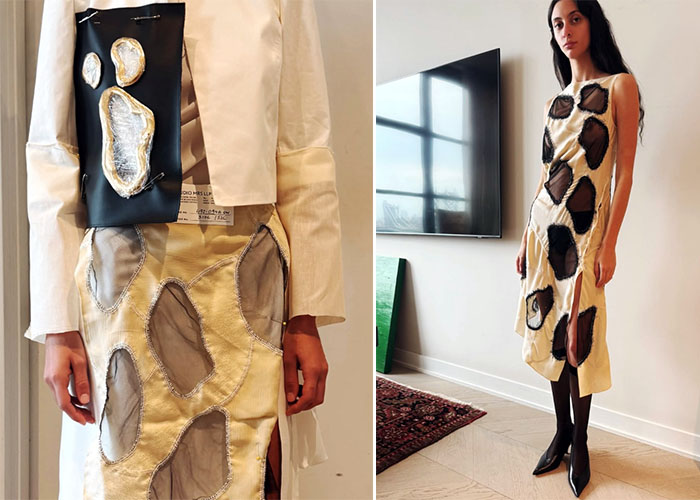
Ghalamzani: The Traditional Iranian Art Behind the Design
A central cultural reference in Taghi’s outfit is ghalamzani, a traditional Iranian metalworking craft associated with intricate decorative designs engraved or chased into metal surfaces.
The practice is especially associated with objects made from metals such as brass, copper, and silver. Skilled craftspeople use specialized tools and controlled hammering techniques to create patterns, ornamental borders, floral motifs, and other detailed compositions.
Depending on the method and object, metal decoration may involve engraving, chasing, embossing, or related forms of surface manipulation. These techniques can create different depths, textures, and relationships between the decorated and undecorated areas.
Ghalamzani is part of a broader Iranian craft tradition in which material knowledge is passed between generations and artistic expression is closely connected to skilled manual work.
Its visual language can be intricate and highly controlled. Repeated motifs establish rhythm, while variations in depth and line give the surface complexity.
For a fashion designer, this craft offers more than a decorative reference. It provides a way of thinking about surfaces, pattern, repetition, and the relationship between design and material.
Metal engraving and garment construction are very different technical disciplines. Yet both require careful planning, knowledge of the material, and an understanding of how a small detail affects the appearance of the whole object.
Taghi’s use of ghalamzani as inspiration connects the coat’s cut-out pattern to an artistic tradition rooted in Iran.
The relationship is particularly interesting because the source craft works with metal, while the finished piece is clothing. The design transfers a visual and conceptual approach from one material context to another.
This type of cross-disciplinary thinking is common in contemporary design. Architecture inspires textiles, industrial processes inform jewelry, and traditional craft techniques influence the construction of modern garments.
The challenge is to translate the underlying principles without losing sight of the differences between the original practice and the new application.
In Taghi’s case, the relationship between ghalamzani and the cut-out cheetah pattern provides a way to connect traditional Iranian craftsmanship with a contemporary fashion silhouette.
The result does not need to reproduce a metal object literally. Instead, the garment can evoke the precision, detail, and visual rhythm associated with the craft.
This distinction is important when discussing cultural heritage in fashion. A designer can draw on a tradition through material research, formal analysis, collaboration, or direct engagement with craftspeople. Each approach produces a different relationship with the source culture.
When traditional craft is used in contemporary design, respectful interpretation involves understanding its context rather than treating it as an interchangeable visual motif.
That understanding can deepen a collection’s narrative and create opportunities to recognize the artists and craftspeople who maintain traditional practices.
Iranian Heritage in Contemporary Fashion
Iranian culture encompasses a wide range of artistic traditions, regional identities, historical periods, and contemporary creative expressions. Fashion designers can draw on this diversity through color, textiles, geometry, architecture, craftsmanship, literature, music, and personal experience.
In contemporary fashion, cultural references can provide a distinctive starting point for a collection. They can also challenge the assumption that modernity requires the abandonment of tradition.
Taghi’s design demonstrates one way these elements can coexist. The outfit uses a modern coat silhouette and experimental material choices while drawing on the visual qualities of an Iranian craft tradition.
The Asiatic cheetah adds a connection to Iran’s natural environment, while the orange-toned shirt introduces a contrasting color element that gives the ensemble another focal point.
Together, the components create a narrative that links place, artistic memory, and material experimentation.
This approach is not limited to Iranian fashion. Designers around the world have used traditional techniques, historical references, and local materials to develop contemporary work. The most effective examples tend to reinterpret these sources rather than simply reproduce historical clothing.
The distinction matters because contemporary fashion must function within current patterns of movement, production, styling, and use.
A traditional motif can become part of a modern garment through changes in scale, placement, color, construction, or material. A familiar technique can also acquire new meaning when applied to an unfamiliar surface.
For designers working across cultures, this process can create opportunities for dialogue. It can introduce audiences to artistic traditions that may be unfamiliar while allowing those traditions to remain part of a changing creative landscape.
However, cultural storytelling is most effective when it is specific. General references to an exotic or ancient culture can flatten complex traditions into stereotypes. Research and precision help preserve the distinctions between different crafts, regions, and historical influences.
Taghi’s reference to ghalamzani is meaningful because it identifies a particular Iranian craft rather than relying on an indistinct idea of Persian decoration.
The Asiatic cheetah connection adds another layer of specificity. It brings the natural heritage of Iran into a fashion narrative that might otherwise focus exclusively on ornament or historical craftsmanship.
By combining these references with modern tailoring, Taghi creates a design story that moves between the past and the present.
October 23, 2026 | 7:37 pm