Amir Taghi Brings Heritage and Asiatic Cheetah Inspiration to Vogue’s 2026 Sustainable Fashion Challenge
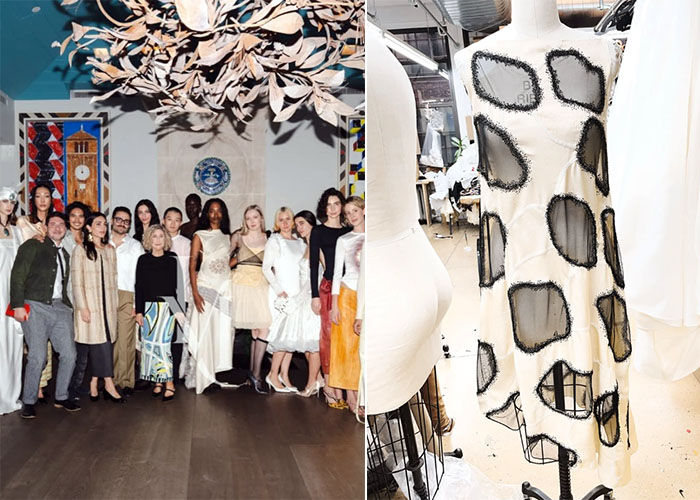
What Amir Taghi’s Design Means for the Global Fashion Industry
The global fashion industry is facing pressure to rethink its relationship with resources, manufacturing, and consumption.
Brands are exploring alternative materials, improving supply-chain transparency, and reconsidering how products are designed and used. At the same time, independent designers continue to develop distinctive identities in a market where creative differentiation is essential.
Taghi’s Material Innovation Challenge look brings these two concerns into the same conversation.
Its cultural references make the design recognizable as a creative statement, while the challenge’s material requirements encourage attention to the physical composition of the garment.
This combination is important because sustainability initiatives can be more influential when they are integrated into products that people find aesthetically compelling.
A material does not become desirable simply because it is described as environmentally responsible. It must also meet the needs of the product and its intended wearer.
Similarly, a visually impressive garment can contribute to a broader discussion when its construction and materials are examined alongside its appearance.
The fashion industry also has an opportunity to broaden the range of cultural perspectives represented in contemporary design.
Designers who bring specific artistic traditions and personal histories into their work can introduce new visual languages while challenging narrow definitions of modern fashion.
The strongest examples do not treat cultural heritage as a static archive. They explore how it can remain relevant through experimentation, reinterpretation, and engagement with contemporary concerns.
Taghi’s combination of Iranian craft, wildlife-inspired pattern, and innovative material exploration reflects that possibility.
It connects a particular cultural background to questions that matter across the industry: how garments are made, what materials they use, how designers communicate meaning, and how fashion can engage with the natural world.
Conclusion: An Iranian Design Perspective on Sustainable Fashion
Amir Taghi’s appearance in the 2026 CFDA/Vogue Fashion Fund Material Innovation Challenge offers a compelling example of contemporary fashion connecting cultural heritage with material experimentation.
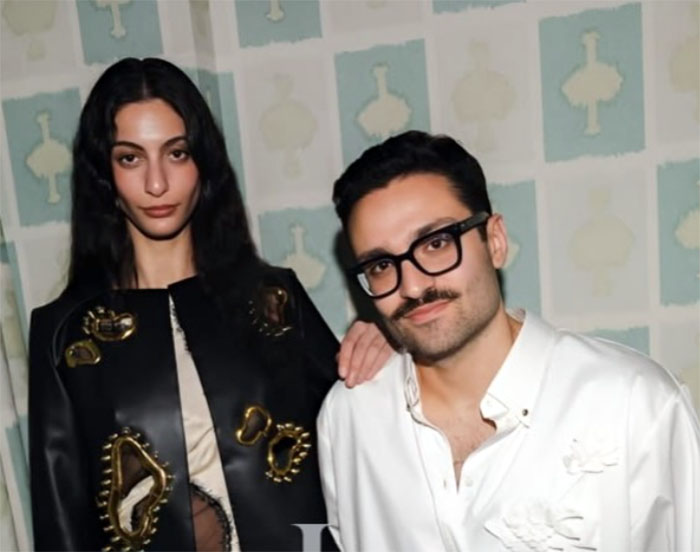
The Iranian designer’s look combined a faux-leather coat featuring cut-out spots inspired by the endangered Asiatic cheetah with an orange-toned silk shirt. The coat’s pattern drew inspiration from ghalamzani, the traditional Iranian art of metal engraving and chasing.
Presented by Mya Ghorbani, whose grandmother is Iranian music icon Googoosh, the outfit also connected the designer’s work with a significant figure in Iranian popular culture.
These references gave the design a narrative extending beyond silhouette and color. They connected wildlife, traditional craftsmanship, music, and contemporary fashion within a challenge focused on sustainable and bio-based materials.
The project also highlights the importance of examining sustainability claims carefully. Faux leather, plant-based textiles, and other innovative materials differ in their composition and environmental performance. Their benefits depend on factors such as sourcing, manufacturing, durability, and end-of-life options.
The broader lesson is that sustainable fashion requires both creative ambition and material knowledge.
By placing cultural research alongside material innovation, Taghi’s design demonstrates how a contemporary garment can engage with multiple subjects without losing its visual identity.
His selection as a 2026 CFDA/Vogue Fashion Fund finalist brought that approach to a wider fashion audience. Although Zane Li of Lii ultimately won the 2026 competition, Taghi’s participation remains a noteworthy example of how independent designers are exploring the relationship between personal identity, craftsmanship, and the future of fashion.
For readers interested in Iranian fashion designers, Persian artistic traditions, sustainable clothing, and the use of nature as a source of design inspiration, the project offers a starting point for a broader discussion about what contemporary fashion can represent.
The intersection of Iranian heritage, wildlife awareness, and material experimentation shows that fashion can be more than an exercise in appearance. It can also become a way to explore the relationship between culture, creativity, and the resources used to make the clothes people wear.