10 Fascinating Stories About Most Famous Actresses: Behind-the-Scenes Secrets From Iconic Films and TV Shows
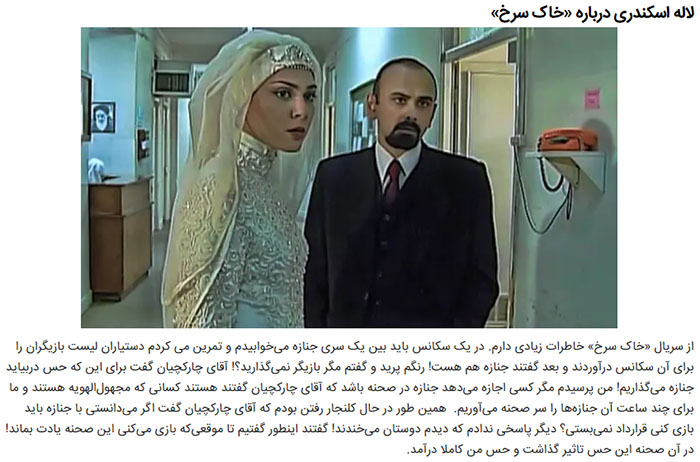
9. Laleh Eskandari and Khak-e Sorkh: The Fictional Corpse Story That Made a Scene More Vivid
Television series: Khak-e Sorkh (Red Soil)
Director: Ebrahim Hatamikia
Television productions often use elaborate techniques to create a convincing atmosphere.
A scene may require detailed costumes, carefully designed sets, special effects, background performers, and props that help the audience believe in the fictional world.
Sometimes, however, a production can achieve its goal through a surprisingly simple psychological trick.
Laleh Eskandari’s recollection of working on Khak-e Sorkh, an Iranian television series, describes a moment when a joke about the use of corpses helped prepare her emotionally for a difficult scene.
The Scene Among the Bodies
Eskandari recalled a scene in which she had to lie down among several bodies.
While the production team was discussing the scene, someone casually mentioned that there would also be corpses.
Eskandari immediately became concerned.
She asked whether actors would be used to portray the dead people.
According to her account, a member of the team, identified in the recollection as Mr. Charkchian, told her that real corpses were used to create an authentic atmosphere.
The claim alarmed her, and she asked whether such a practice was even permitted.
The conversation continued, with the production representative explaining the supposed arrangements for using unidentified bodies.
At that point, Eskandari began wondering whether she would have accepted the role had she known about the alleged circumstances.
Then the truth emerged.
The Reveal: It Was a Joke
Eskandari realized that the production team had been teasing her.
The bodies were not real corpses. The story had been invented to make the scene more vivid in her mind before filming.
The joke had worked: she had spent time imagining the scene and considering how she would respond to the unsettling situation.
According to her recollection, the experience helped her enter the emotional state required for the performance.
The anecdote is amusing because it combines the seriousness of the subject matter with the unexpected revelation that the frightening story was fabricated.
It also demonstrates how the expectations surrounding a scene can influence an actor’s emotional preparation.
How Actors Prepare for Difficult Scenes
Acting involves imagination as well as technique.
A performer may need to portray grief, fear, exhaustion, shock, or emotional numbness without having personally experienced the exact circumstances shown in the story.
Actors use different methods to approach such scenes. Some focus on the character’s objectives and relationships. Others work with physical movements, sensory details, or imagined circumstances.
The most appropriate approach depends on the performer, the role, and the demands of the production.
Eskandari’s anecdote illustrates how an unexpected conversation can influence the way an actor imagines a scene.
However, it should not be treated as a recommendation that filmmakers frighten or mislead performers. Actors deserve clear communication about working conditions, safety, and the nature of potentially disturbing material.
In this instance, the incident was recalled as a joke that helped make the fictional situation more vivid.
The Importance of Authenticity in Iranian War Dramas
Khak-e Sorkh is associated with Iranian television storytelling about conflict and its consequences.
War dramas often require performers to inhabit environments involving injury, loss, destruction, and uncertainty.
The production team must find ways to create a convincing atmosphere while ensuring that the cast and crew can work safely.
Props, makeup, sound design, set construction, and the positioning of background performers all contribute to the final impression.
The audience sees the completed scene, but the realism depends on a series of technical and artistic decisions.
Eskandari’s story offers a glimpse into the psychological side of this process.
Why the Anecdote Is So Memorable
The story begins with a frightening suggestion and ends with laughter.
Its appeal comes from the gap between the situation Eskandari believed she was facing and the actual circumstances of the shoot.
It also illustrates the unpredictability of production environments. Actors may arrive expecting a routine day of filming and encounter experiences that challenge their assumptions.
For fans of Iranian television, the anecdote provides a glimpse of the personalities and interactions that can develop behind the camera.
October 16, 2026 | 6:53 pmMore stories

Hamideh Rasekhi: Blogger in Turkey Draws Attention After Viral Nighttime
Introduction Hamideh Rasekhi, an Iranian model and blogger reportedly based in Turkey, has recently attracted considerable attention across social media … Continue reading ➝
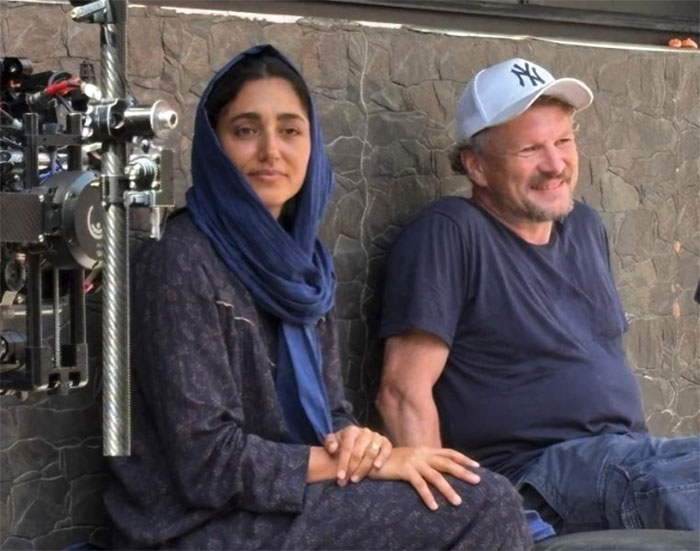
Golshifteh Farahani: A Voice of Resilience in When She Hears the Bells
Introduction Among the women whose stories of resilience have crossed borders through cinema, Golshifteh Farahani occupies a distinctive place. The … Continue reading ➝
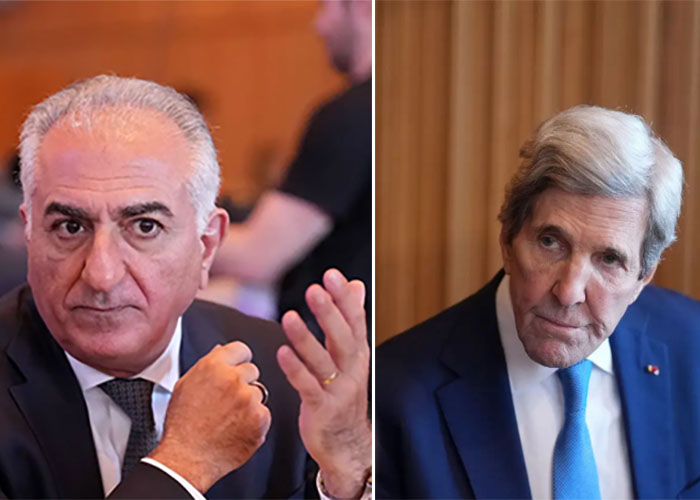
NY Times DealBook Summit 2026: Reza Pahlavi, John Kerry and Jonathan Greenblatt Attend the New York Event
Introduction The annual NY Times DealBook Summit brought together prominent figures from politics, business, media and international affairs at Jazz … Continue reading ➝

6 Foods That May Act Like Natural GLP-1 Boosters: Foods That Control Appetite and Keep You Full
Introduction Weight loss medications such as Ozempic, Wegovy, and other GLP-1-based treatments have changed the conversation around appetite, hunger, and … Continue reading ➝
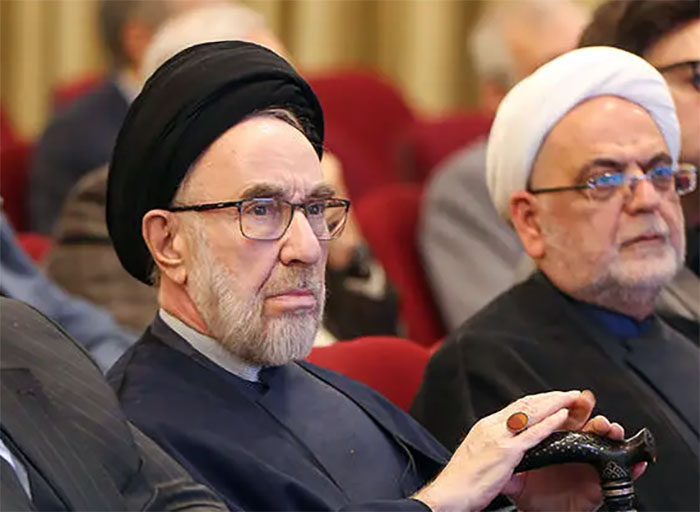
Mohammad Khatami Attends the 148th Baran Foundation Specialized Session
Introduction The 148th specialized session of the Baran Foundation was held in Tehran with the presence of Seyyed Mohammad Khatami, … Continue reading ➝