Studying Medicine Without Entrance Examination and Photos Before Plastic Surgery: The Case of Mobina Nematzadeh
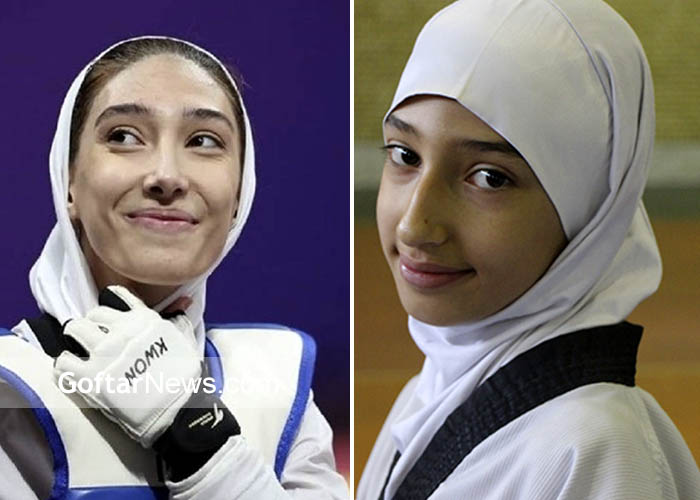
Public Reaction: A Divided Opinion
The reaction to Mobina Nematzadeh’s request was mixed. On one hand, many supporters argued that her dedication to representing Iran on the international stage, coupled with her impressive achievements, justified an exception. They saw her case as a unique situation where her contribution to the nation in sports should be rewarded with opportunities in academia.
On the other hand, critics viewed her request as an example of privilege and inequality. They argued that allowing Mobina to bypass the entrance exam would set a dangerous precedent, undermining the importance of the Konkur as a fair and standardized measure of academic capability. This perspective was particularly strong among students who had spent years preparing for the highly competitive entrance exam, seeing Mobina’s potential exemption as a form of injustice.
Institutional Responses: Universities and Government Officials Weigh In
The request by Mobina Nematzadeh also prompted responses from key educational and governmental institutions. Seyyed Mohammad Moghimi, the president of Tehran University, expressed a willingness to admit Mobina but did not specify whether this would apply to the field of medicine. He mentioned that she could continue her education in the field of physical education at any university she desired. This statement was seen as a diplomatic way of recognizing Mobina’s achievements while avoiding direct confrontation with the established educational norms.
However, Hossein Zwanatti, the president of Tehran University of Medical Sciences, took a firmer stance, stating that admission to the medical field would strictly follow existing rules, and as such, Mobina’s request would be denied. This clear rejection highlighted the institution’s commitment to maintaining the integrity of its admission process.
Despite this, Ehsan Azimi Rad, the spokesperson of the Education and Research Commission of the Parliament, suggested that there were no legal obstacles preventing Mobina from studying medicine without the entrance exam, creating further ambiguity and fueling the ongoing debate.
More stories
Aya El-Sisi’s Symbolic Appearance at Egypt’s Strategic Command Inauguration
Introduction A single image can sometimes become more powerful than an entire ceremony. During the inauguration of Egypt’s Strategic Command … Continue reading ➝
Tehran’s Farewell to Ali Khamenei: A Nation Mourns, A Political Era Comes to an End
Introduction The streets of Tehran carried a rare combination of grief, heat, silence, and uncertainty as thousands of Iranians gathered … Continue reading ➝
Mya Ghorbani: Fashion Model Making Waves in International Runway Industry
Introduction Mya Ghorbani is a 23-year-old Iranian fashion model who is gaining increasing recognition in the international modeling industry. Standing … Continue reading ➝
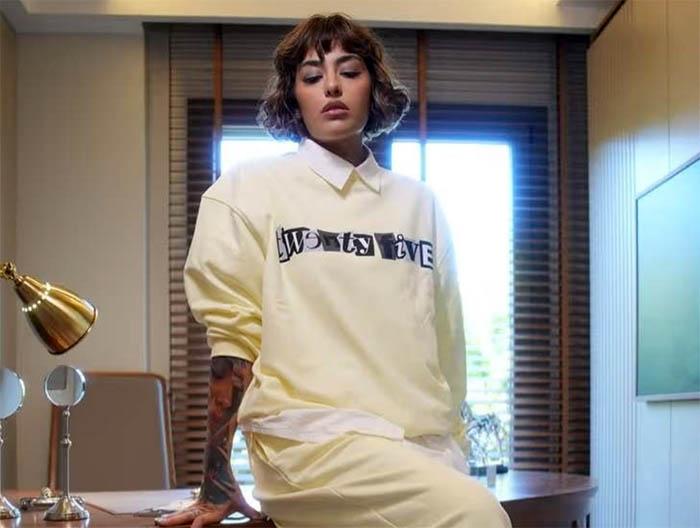
Reyhaneh Parsa: Fashion Journey, Style Influence, and Rise to International Attention
Introduction Reyhaneh Parsa is one of the most talked-about Iranian actresses and public figures of her generation. Known for her … Continue reading ➝
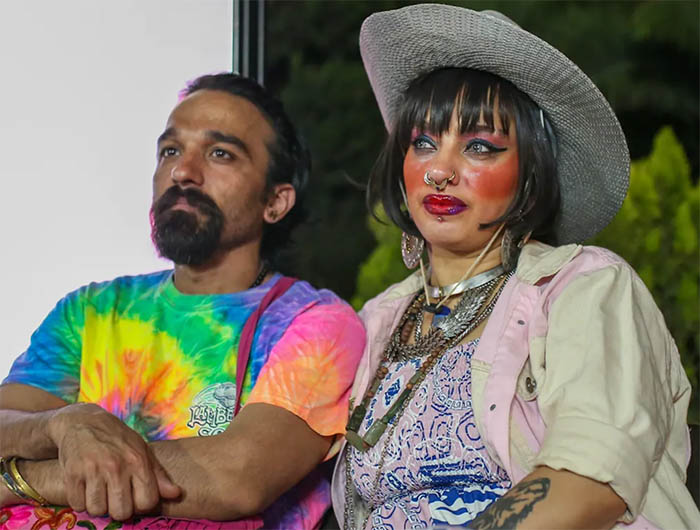
Ta’zieh Like Light: Highlights of Mehnaj Ta’zieh Center Performance at the House of Artists
Introduction Ta’zieh, often described as a sacred performance filled with emotion, music, poetry, and spiritual storytelling, is one of the … Continue reading ➝