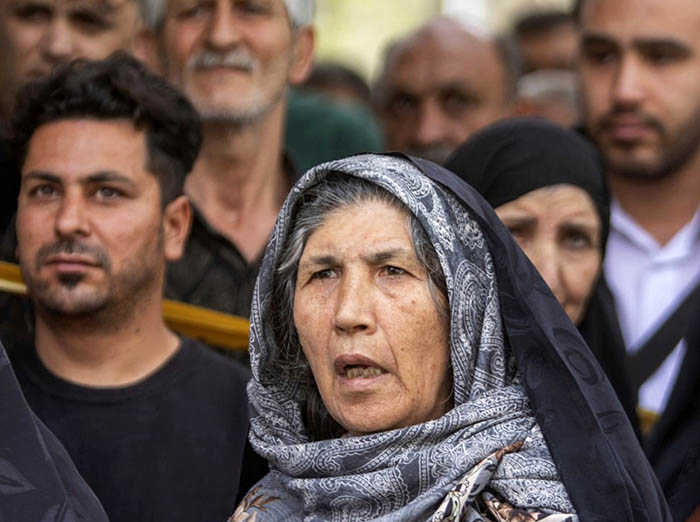
Women and Propaganda in Tehran: The Heart of Capital
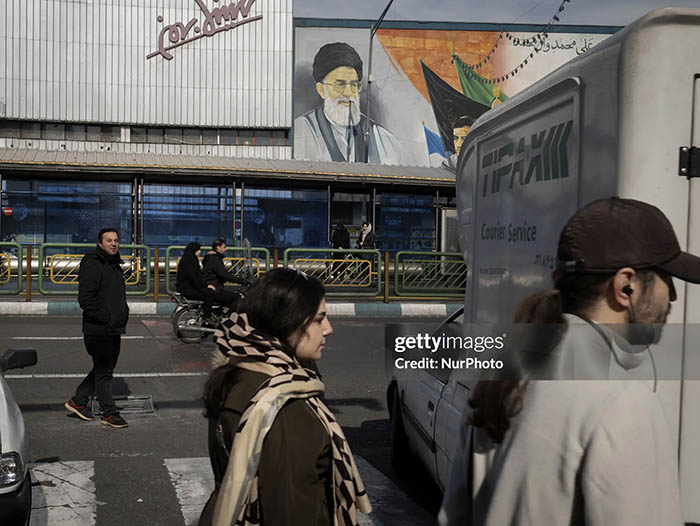
Women’s Roles Pre-Revolution (Before 1979)
Before the Islamic Revolution of 1979, Iranian women experienced a period of relative social liberalization, especially during the reign of Shah Mohammad Reza Pahlavi. Women had access to education, employment, and political participation. The 1963 Family Protection Law, for instance, granted women rights in marriage and divorce, and women were active in public life, including politics and academia.
In Tehran, women embraced modern fashion, participated in cultural events, and contributed to economic development. Women’s organizations, such as the Women’s Organization of Iran, advocated for reforms and gender equality within the framework of modernization and national development.
Impact of the 1979 Islamic Revolution on Women’s Rights
The 1979 Islamic Revolution marked a profound turning point. The new regime, under Ayatollah Khomeini, sought to establish an Islamic state based on Sharia law. This shift dramatically altered women’s societal roles, introducing strict dress codes, restrictions on employment, and limitations on personal freedoms.
Women were compelled to wear the hijab and modest clothing in public, and their participation in certain professions was curtailed. Despite these restrictions, many women actively supported the revolution, viewing it as a path to social justice and moral renewal. However, after the revolution, women’s rights were systematically reshaped to align with Islamic principles, fostering a new societal order.
Evolution of Women’s Rights and Societal Expectations in Tehran
Over the decades, Tehran’s women have navigated complex social expectations. While legal restrictions persisted, women’s participation in education and the workforce gradually increased. Universities in Tehran saw a rise in female students, and women became prominent in various sectors, including medicine, engineering, and arts.
Yet, societal expectations often emphasized modesty, family values, and obedience to religious norms. Women’s activism and protests, especially during the reformist movements of the 1990s and 2000s, challenged these norms, advocating for greater personal freedoms and gender equality.
Key Historical Figures and Movements
Figures such as Forough Farrokhzad, a pioneering poet and feminist, symbolize the struggle for women’s expression and autonomy. The Women’s Rights Movement in Iran has seen waves of activism, often suppressed but persistently advocating for change. These movements, both underground and legal, have gradually influenced societal attitudes, despite the persistent influence of conservative interpretations of Islamic law.
January 28, 2026 | 4:51 pm