Who Is Babak Takhti? Gholamreza Takhti’s Only Son, His Family, Career, and His Father’s Controversial Death
How a Public Narrative Becomes a Historical Belief
The controversy surrounding Takhti illustrates how historical narratives can evolve.
An unexpected death produces questions. A political context creates suspicion. A prominent intellectual offers an interpretation, and that interpretation becomes influential because it resonates with the public’s understanding of the deceased person.
Over time, repetition can make a theory appear more certain than the evidence warrants.
Films, newspaper articles, television programs and personal recollections can reinforce the same narrative. Once a particular explanation becomes culturally familiar, challenging it may be interpreted as an attack on the person’s memory rather than an attempt to examine the evidence.
Babak’s criticism focuses on this process. He argues that the original theory had consequences for people who were blamed for his father’s death and that the public should reconsider the assumptions underlying those accusations.
The historical lesson is not that every alternative explanation is necessarily correct. It is that interpretations should remain open to scrutiny and that accusations should not be treated as proven simply because they have become popular.
Was the Atlantic Hotel a SAVAK Safe House?
The Atlantic Hotel became central to the murder theory because of its location near SAVAK’s headquarters and the circumstances in which Takhti’s body was found.
Some accounts portrayed the hotel as a place connected to the intelligence service. This association contributed to speculation that Takhti had been killed by security officials and that the suicide announcement concealed the circumstances.
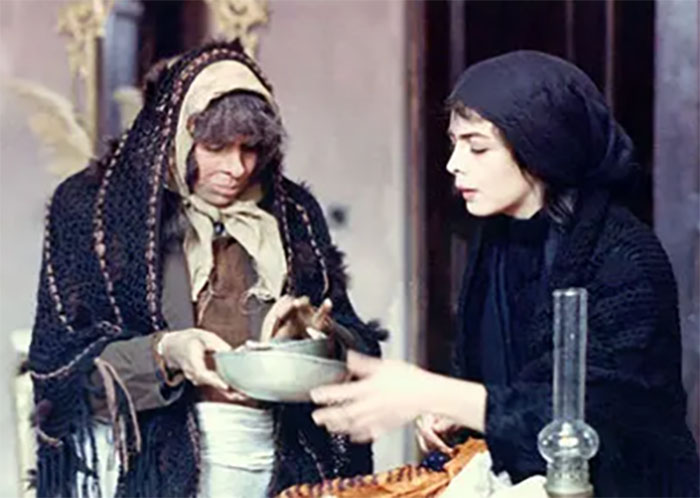
In the supplied interview, Babak Takhti says he initially believed this portrayal, partly because it appeared in a film about his father. He later reconsidered the claim after speaking with the hotel’s manager.
October 18, 2026 | 7:57 pm