The Noon of Ashura: A Deep Dive into the Unique Cultural, Religious, and Exotic Mourning Ceremonies
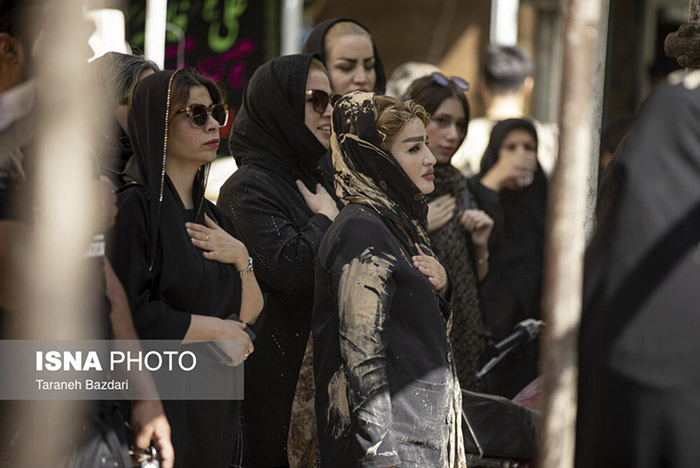
Deep Dive into the Artistic Masterpieces of Ta’ziyeh
The Artistic Genius Behind Ta’ziyeh
Iranian theater artistically transforms the tragedy of Karbala into a visual and emotional spectacle through Ta’ziyeh—a form of religious passion play that combines music, poetry, acting, and visual arts. The roots of Ta’ziyeh date back to the Safavid era (16th-17th centuries), when it became a popular form of communal mourning and cultural expression.
Stage Design and Visual Arts:
The stages used in Ta’ziyeh are often simple but profoundly symbolic. Large fabric backdrops painted with scenes from Karbala—such as the Holy Shrine of Imam Hussain, the battlefield, or the tents—serve as immersive settings. The costumes are rich, embroidered with gold and silver thread, representing historical characters with vivid accuracy.
In some regions, artisans craft miniature sets and props, elevating the visual storytelling. For instance, miniature swords, shields, and banners are meticulously fashioned, emphasizing the importance of detail and authenticity.
Music and Poetry:
The musical score plays a vital role—Daf drums beat mournful rhythms, while the Zurna (a reed instrument) wails in a lamenting tone. The recitation of marsiya (elegies) and rawda (lamentations) weaves emotional depth, often delivered in a melodic and improvisational style that resonates deeply with audiences.
The Spiritual Impact and Communal Bonds
Participating in or witnessing a Ta’ziyeh performance is a deeply spiritual experience. It evokes empathy, sorrow, and a sense of unity among viewers. Many describe feeling a transcendent connection—an emotional journey that momentarily dissolves individual ego into collective mourning.
The act of lamentation, whether through crying, recitation, or physical acts like chest-beating, is seen as an act of devotion and purification. It reinforces community bonds, reminding Iranians of their shared history and moral ideals.
The Role of Artisans and Craftspeople
Iran’s artisans—calligraphers, costume makers, set designers—are custodians of this tradition. Their craftsmanship ensures that each performance is not only spiritually meaningful but also visually captivating. The fabrics used are often imported from Persian workshops, decorated with motifs inspired by Persian miniatures, Islamic geometric patterns, and calligraphy.
This craftsmanship is passed down through families, with generations of artisans dedicating their lives to perfecting the art of Ta’ziyeh. Their work sustains an intricate cultural legacy that continues to thrive in modern Iran.
July 6, 2025 | 4:45 pmMore stories
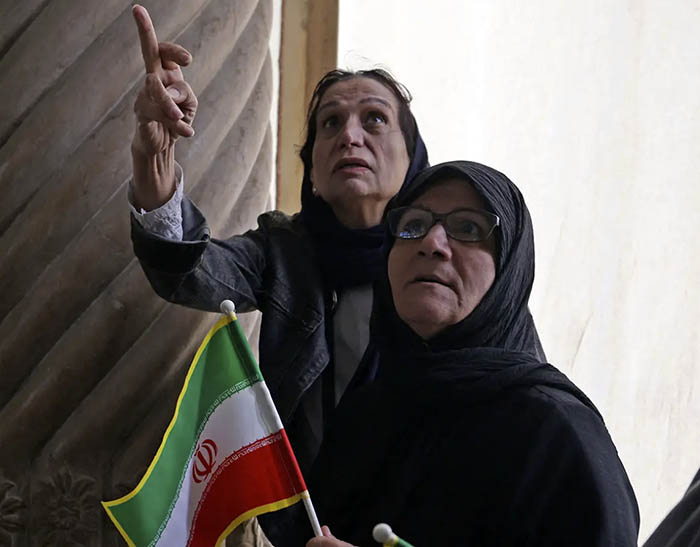
Damage to Golestan Palace Amid Iran–Israel–US Conflict: Cultural Heritage at Risk
Introduction The unfolding Iran–Israel–US conflict in 2026 has not only intensified geopolitical tensions in the Middle East but has also … Continue reading ➝
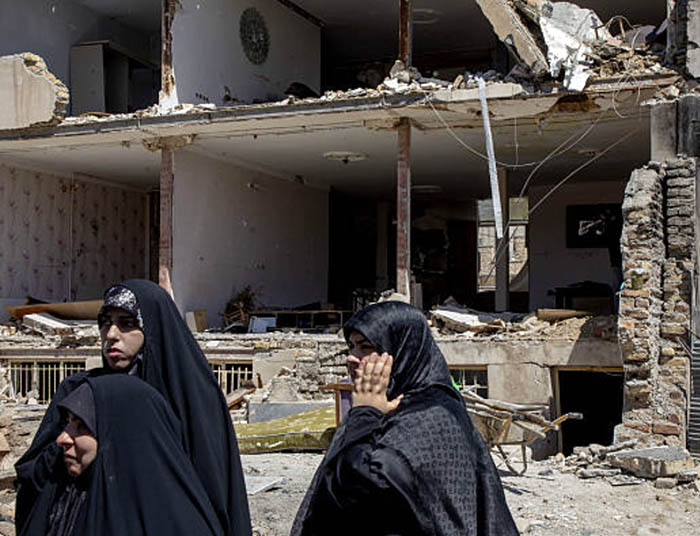
U.S.-Israeli Military Operations: Full Analysis of the 2026 Middle East Conflict
Introduction The escalating conflict involving United States, Israel, and Iran has rapidly evolved into one of the most dangerous geopolitical … Continue reading ➝
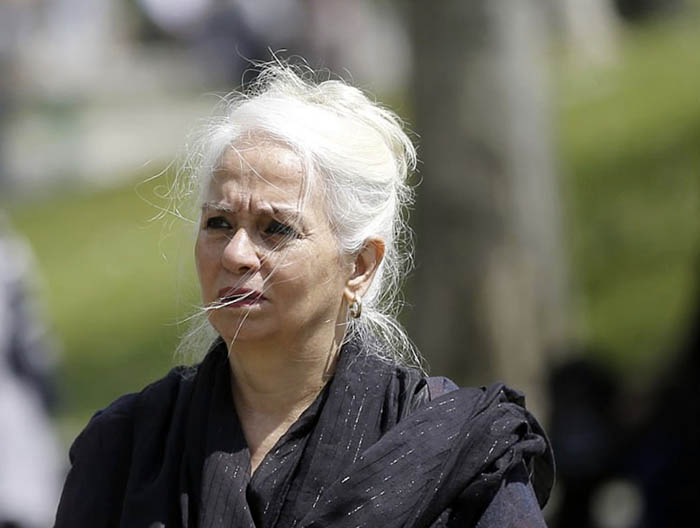
13 Bedar in Tehran: Celebrating Life on the Frontline of War
Introduction In the heart of Tehran, where headlines often speak of geopolitical tension, military escalation, and uncertainty, a different story … Continue reading ➝
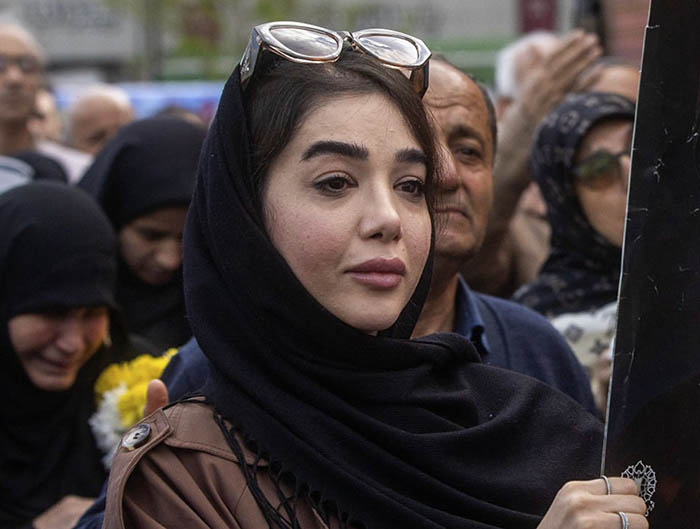
A Mournful Face at Tangsiri’s Funeral: Grief, Power, and Tension in Tehran
Introduction The image of a mournful face at the funeral of Alireza Tangsiri has become one of the most haunting … Continue reading ➝
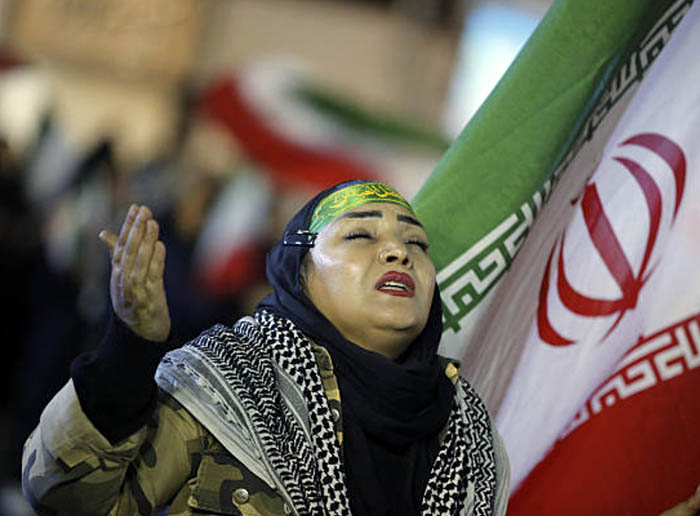
Israeli and U.S. Attacks on Spark Mass Protests in Tehran: Rising Middle East Tensions in 2026
Introduction In a dramatic escalation of tensions in the Middle East, mass protests erupted in Tehran following reports of coordinated … Continue reading ➝