The Noon of Ashura: A Deep Dive into the Unique Cultural, Religious, and Exotic Mourning Ceremonies
Procession Styles and Symbolic Elements
Traditional Processions:
Participants march with banners inscribed with Quranic verses, poems, and invocations for Imam Hussain (AS). The processions are often led by religious scholars and elders, with youth and children participating actively.
Modern Innovations:
In recent decades, technology has been integrated—fireworks displays, sound-and-light shows, and multimedia presentations depict the scenes of Karbala, creating immersive experiences.
Symbolic Objects:
Carrying replicas of the Holy Shrine of Imam Hussain, swords, and banners symbolizes resistance and spiritual devotion. Some processions incorporate symbolic acts such as symbolic martyrdom reenactments or acts of self-flagellation, aiming to express grief and solidarity.
Cultural Performances and Art
Poetry and Lamentations:
Poets compose and recite elegies that evoke the pain of loss and the virtue of sacrifice. These recitations are often improvised and delivered with emotional intensity.
Costumes and Masks:
Participants wear costumes representing various characters—soldiers of Yazid, martyrs, women, and children—each laden with symbolic meaning.
Visual Arts:
Paintings, calligraphy, and sculptures depicting scenes from Karbala are displayed during the ceremonies. Artists often use vibrant colors and intricate designs to evoke emotional responses.
More stories

Kylie Jenner Makes Victoria’s Secret Fashion Show Debut in $50 Million Fantasy Bra
Introduction Babak Takhti is an Iranian writer, publisher and the only son of Gholamreza Takhti, the legendary Iranian freestyle wrestler … Continue reading ➝
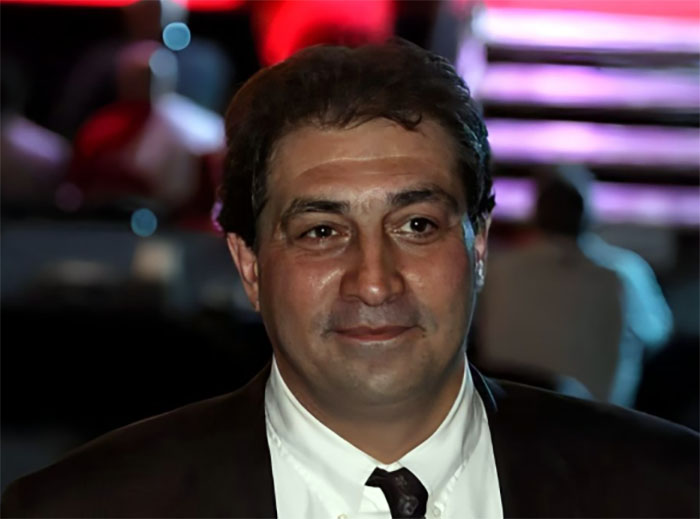
Who Is Babak Takhti? Gholamreza Takhti’s Only Son, His Family, Career, and His Father’s Controversial Death
Introduction Babak Takhti is an Iranian writer, publisher and the only son of Gholamreza Takhti, the legendary Iranian freestyle wrestler … Continue reading ➝
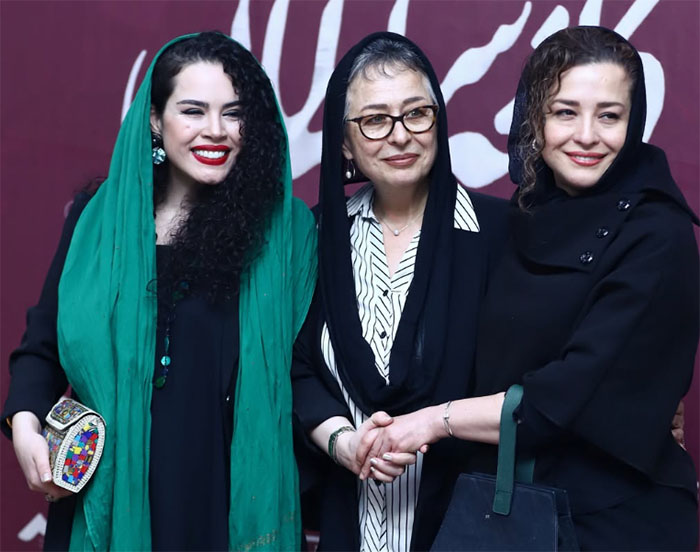
Azita Hajian, Mehraveh Sharifinia and Melika Sharifinia Attend Cafe Soltan Private Screening at Megamall Cinema
Introduction The private screening of Cafe Soltan, the Iranian feature film directed by Mostafa Razagh-Karimi and produced by Morteza Razagh-Karimi, … Continue reading ➝

Bot (Bet) Movie: Hamid Nematollah’s Drama Holds Private Screening at Galleria Cinema Complex
Introduction The Iranian social drama Bot, also transliterated as Bet and associated with the English title Idol, has attracted attention … Continue reading ➝
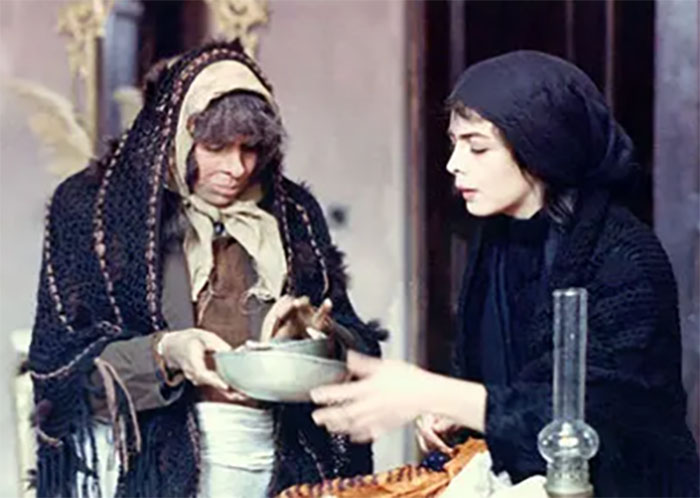
10 Fascinating Stories About Most Famous Actresses: Behind-the-Scenes Secrets From Iconic Films and TV Shows
Introduction 1. Gohar Kheirandish in Banoo: The Makeup That Could Not Hide Her Beauty Film: Banoo (The Lady) Director: Dariush … Continue reading ➝