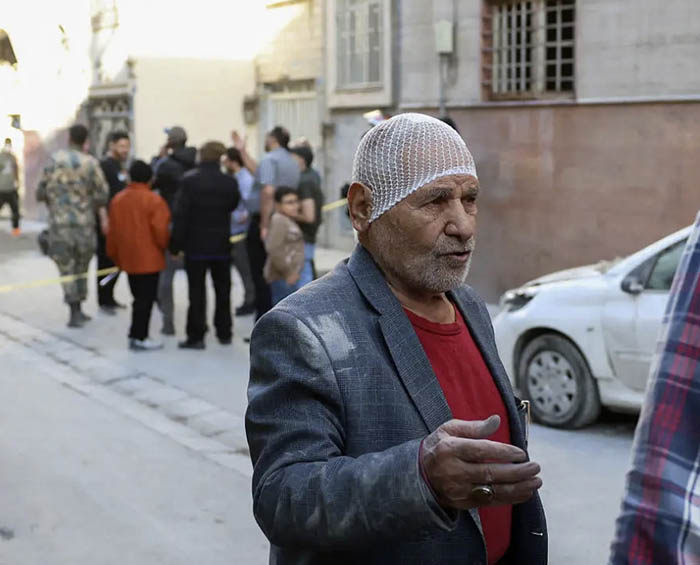
The Funeral of Seyyed Mustafa Tajzadeh’s Brother: A Reflection of Political Legacy and Mourning
Final Thoughts
The Significance of Cultural and Religious Identity in the Reform Movement
While many reformists advocate for secular governance, they also emphasize the importance of Iran’s rich religious and cultural heritage.
The Role of Religious Leaders Supporting Reform
Some clerics, like Grand Ayatollahs Hossein-Ali Montazeri and Nematollah Salehi, have voiced support for civil liberties and reforms, challenging hardline interpretations of Islamic law.
Cultural Renaissance and Civil Society
Artists, writers, and intellectuals play a vital role in shaping public discourse, fostering a cultural renaissance that promotes dialogue, tolerance, and reform.
Reflection: The Personal and Collective Significance of Mourning
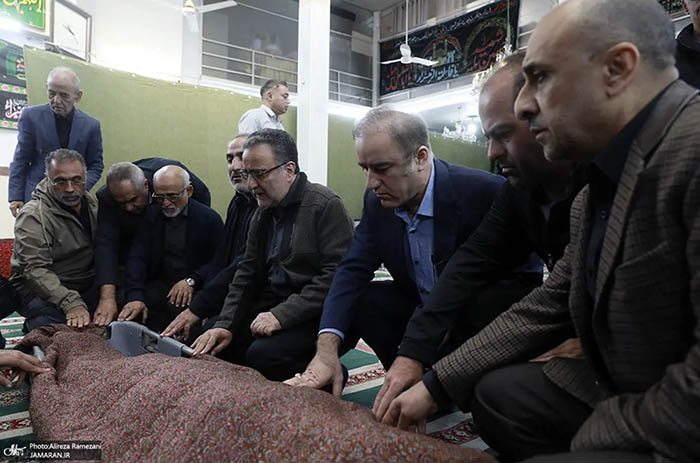
The funeral of Seyyed Mohammad Tajzadeh is a collective act of mourning that encapsulates hope, resilience, and resistance. It underscores the importance of remembering sacrifices and honoring the legacy of those who have fought for Iran’s future.
Mourning as a Form of Political Statement
In Iran’s repressive environment, funerals serve as moments of defiance, signaling ongoing resistance and unity among reformists, civil society, and the broader public.
The Power of Collective Memory
Commemorating martyrs and political figures sustains the movement’s momentum, inspiring new generations to continue the struggle.
Final Words: An Ongoing Struggle for Justice and Democracy
Iran’s journey towards democracy remains fraught with obstacles, but the perseverance of its people—especially the youth, women, and civil society—continues to push the boundaries of change.
The funeral of Seyyed Mohammad Tajzadeh symbolizes this enduring spirit. It is a testament to the sacrifices made and the hope that, one day, Iran will realize its aspirations for freedom, justice, and human dignity.