The Behesht Zahra Funeral and the War’s Deepening Crisis: Context, Reactions, and Regional Implications
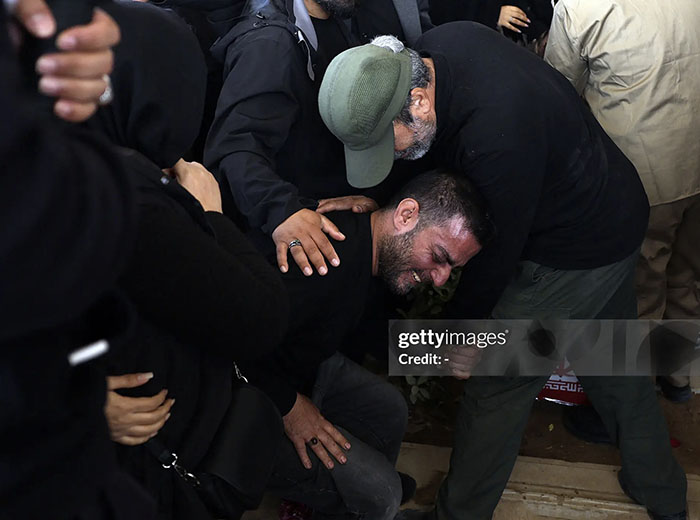
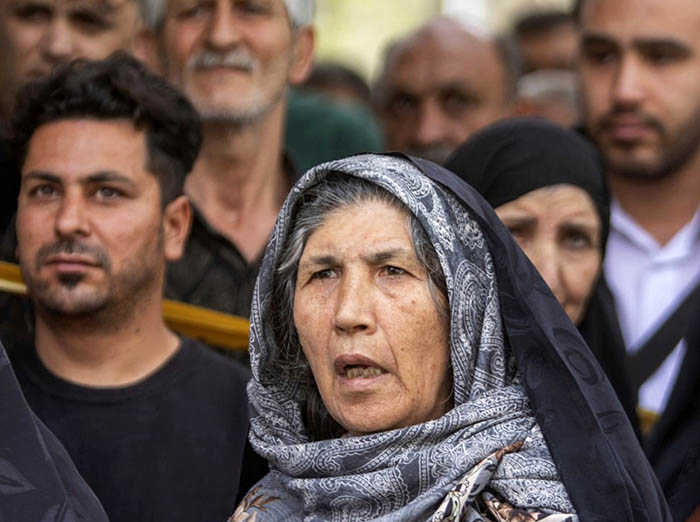
Introduction Residents of Ray, a historic city just south of Tehran, woke to scenes of devastation and disbelief after midnight … Continue reading ➝
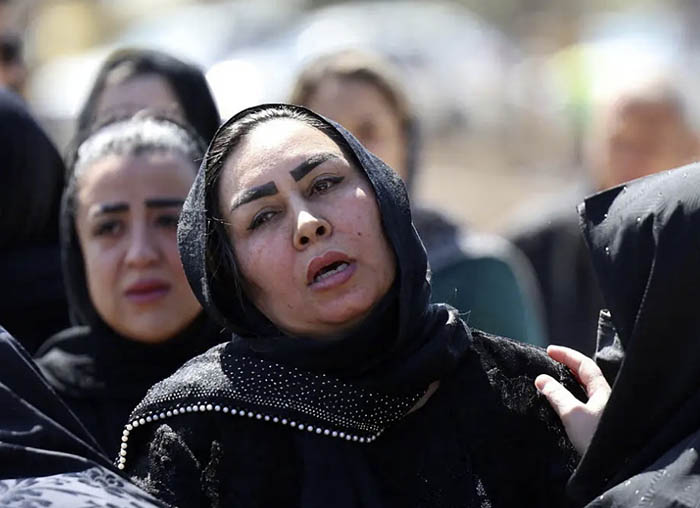
Introduction On March 26, 2026, funerals for victims of the ongoing Middle East conflict took place at the Behesht Zahra cemetery in … Continue reading ➝
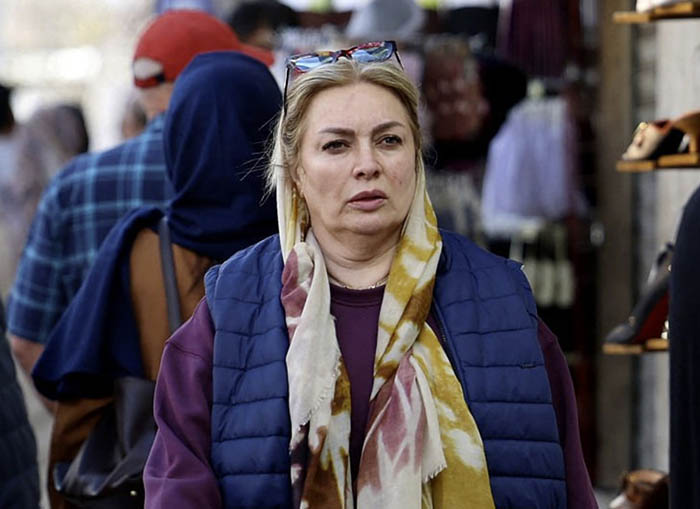
Introduction The bustling lanes of Tajrish Bazaar, one of the most iconic marketplaces in Tehran, are no longer what they … Continue reading ➝
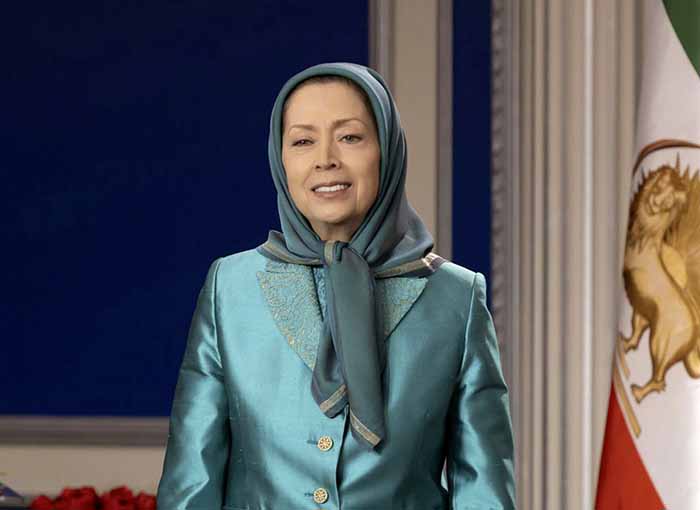
Introduction Maryam Rajavi remains one of the most debated figures in modern Iranian politics. As the President-elect of the National … Continue reading ➝
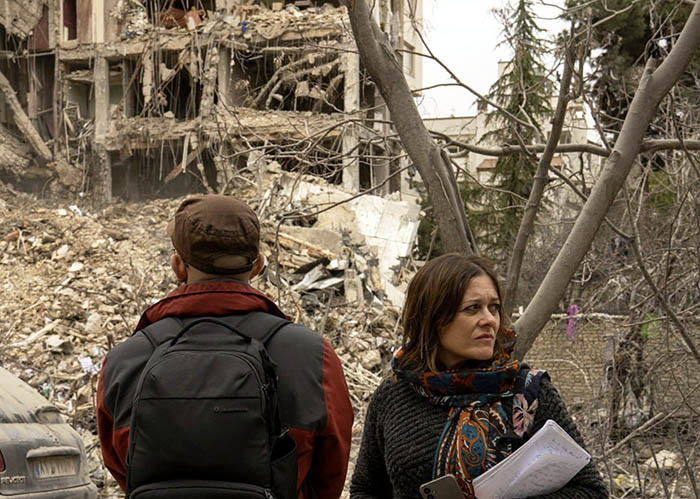
Introduction The Enderzgu district of Tehran, Iran’s bustling capital, has recently become the epicenter of a devastating military attack that … Continue reading ➝