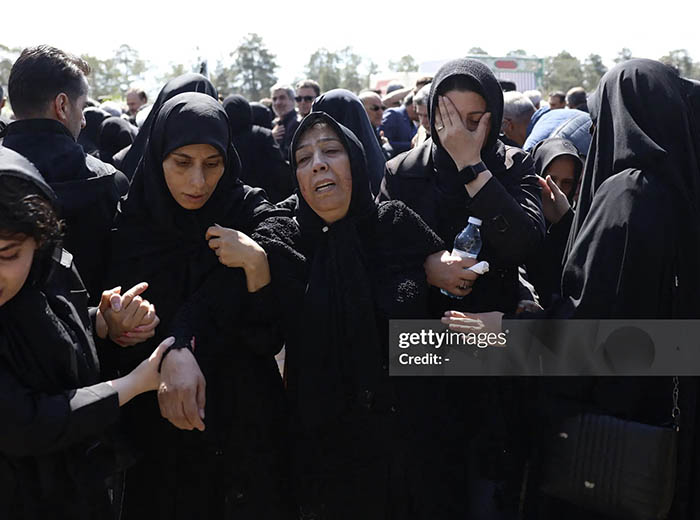
The Behesht Zahra Funeral and the War’s Deepening Crisis: Context, Reactions, and Regional Implications
Historical Context: Iran’s Role in the Region
Iran has long positioned itself as a central power in the Middle East, with influence spanning Iraq, Syria, Lebanon, and Yemen. Its strategic doctrine emphasizes deterrence, asymmetric warfare, and the projection of regional influence through proxy groups. Over the past decades, U.S. and Israeli military and political strategies have repeatedly targeted Iran’s nuclear and military capabilities, generating cycles of tension and intermittent conflict.
The events of March 2026, culminating in public mourning at Behesht Zahra cemetery, represent a dramatic escalation in this historical pattern. While Iran portrays its engagement as defensive, the United States and Israel frame their actions as preemptive strikes against perceived existential threats. These conflicting narratives underscore the geopolitical fault lines shaping the current war.
Strategic Implications for the Middle East
The conflict has far-reaching implications for regional security:
- Gulf Stability: Nations like Saudi Arabia, the UAE, and Qatar face heightened security concerns, with military mobilizations along borders and coastal regions. Shipping through the Strait of Hormuz remains under threat, affecting global oil markets.
- Proxy Warfare Intensification: Iran-backed militias in Iraq, Lebanon, and Yemen have launched retaliatory attacks, threatening to expand the battlefield across multiple countries.
- Israeli Defense Posture: Israel has increased air defense readiness and contingency planning for Iranian missile strikes, reinforcing alliances with the U.S. and leveraging intelligence operations across the region.
- Global Military Engagement: The U.S. has deployed additional naval and air assets, signaling its commitment to preventing Iranian escalation while attempting to maintain regional alliances.
These strategic maneuvers illustrate the complexity of the conflict, where local, regional, and global interests converge, creating the potential for a prolonged confrontation.
March 26, 2026 | 2:36 pmMore stories

Kylie Jenner Makes Victoria’s Secret Fashion Show Debut in $50 Million Fantasy Bra
Introduction Babak Takhti is an Iranian writer, publisher and the only son of Gholamreza Takhti, the legendary Iranian freestyle wrestler … Continue reading ➝
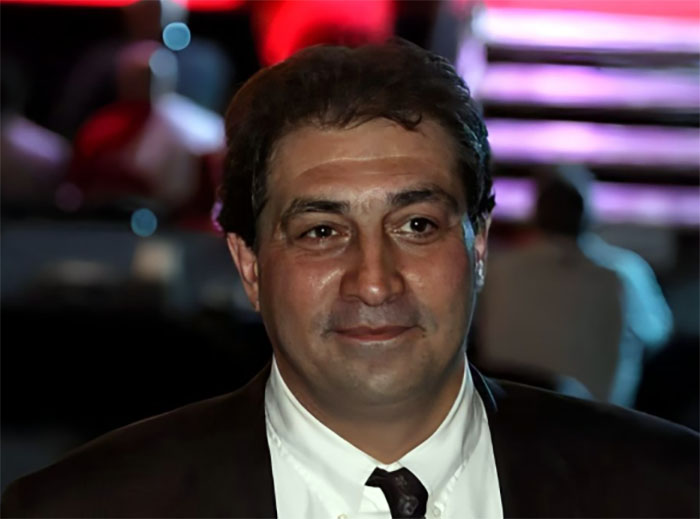
Who Is Babak Takhti? Gholamreza Takhti’s Only Son, His Family, Career, and His Father’s Controversial Death
Introduction Babak Takhti is an Iranian writer, publisher and the only son of Gholamreza Takhti, the legendary Iranian freestyle wrestler … Continue reading ➝
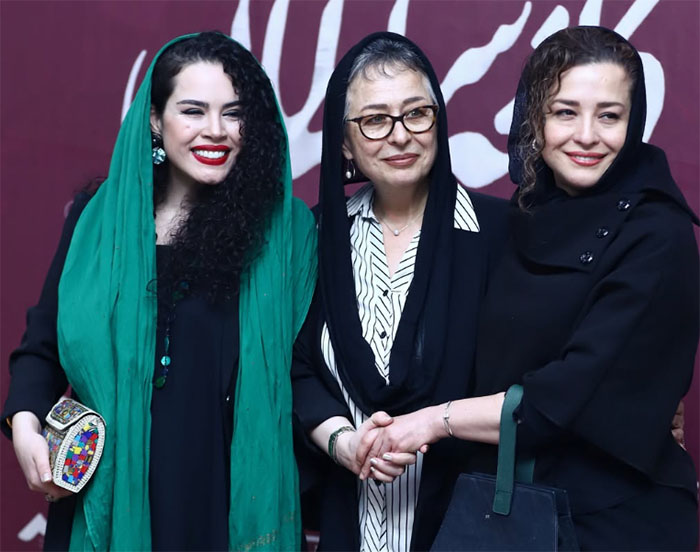
Azita Hajian, Mehraveh Sharifinia and Melika Sharifinia Attend Cafe Soltan Private Screening at Megamall Cinema
Introduction The private screening of Cafe Soltan, the Iranian feature film directed by Mostafa Razagh-Karimi and produced by Morteza Razagh-Karimi, … Continue reading ➝

Bot (Bet) Movie: Hamid Nematollah’s Drama Holds Private Screening at Galleria Cinema Complex
Introduction The Iranian social drama Bot, also transliterated as Bet and associated with the English title Idol, has attracted attention … Continue reading ➝
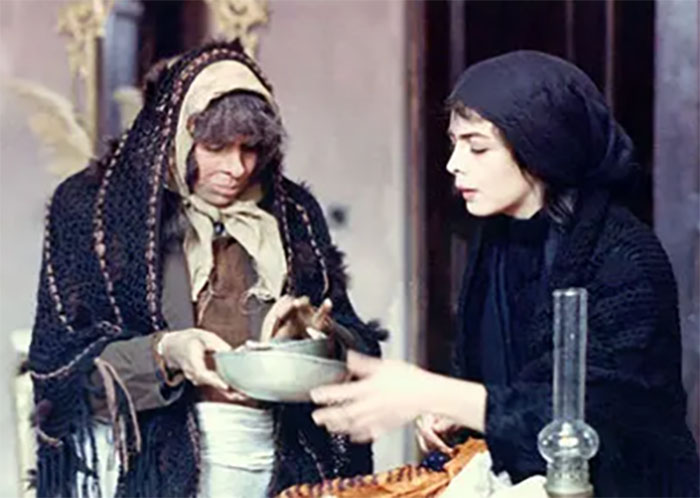
10 Fascinating Stories About Most Famous Actresses: Behind-the-Scenes Secrets From Iconic Films and TV Shows
Introduction 1. Gohar Kheirandish in Banoo: The Makeup That Could Not Hide Her Beauty Film: Banoo (The Lady) Director: Dariush … Continue reading ➝