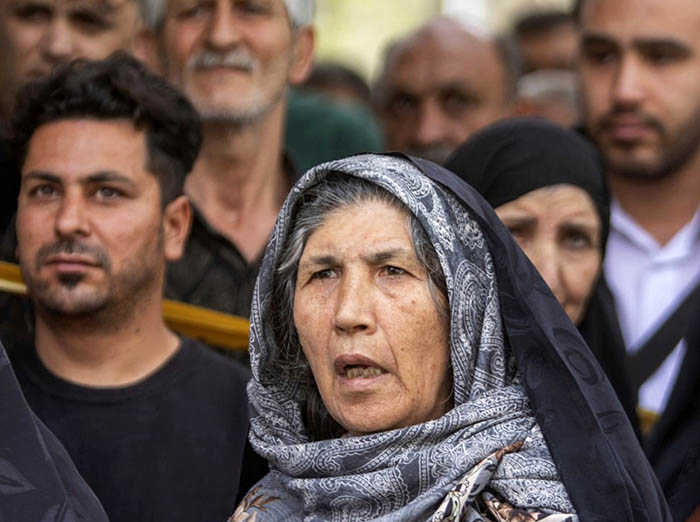
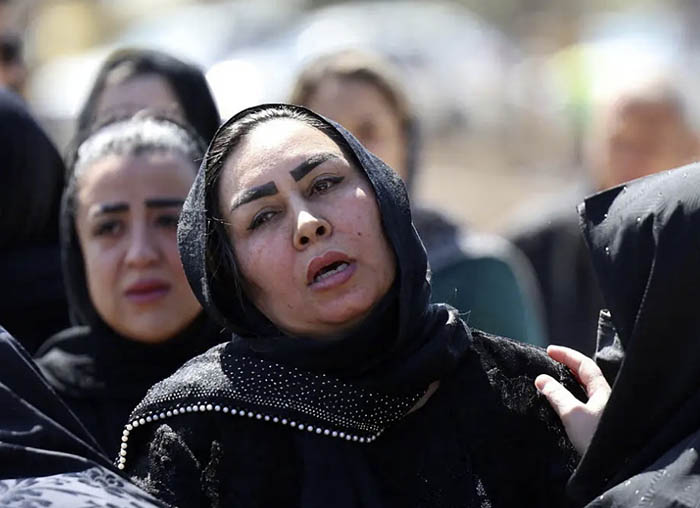
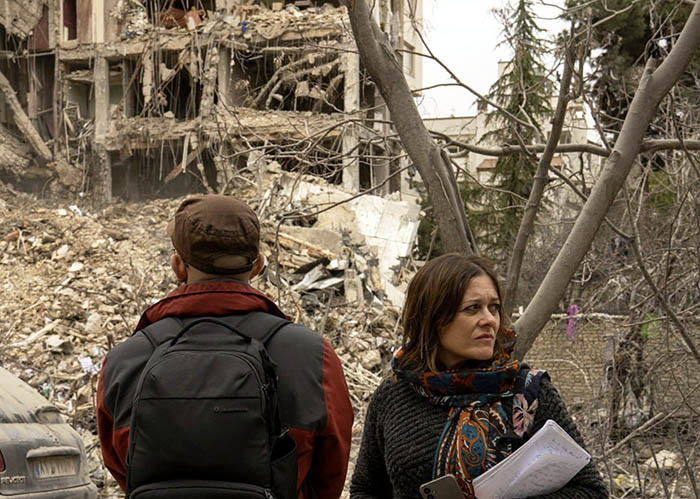
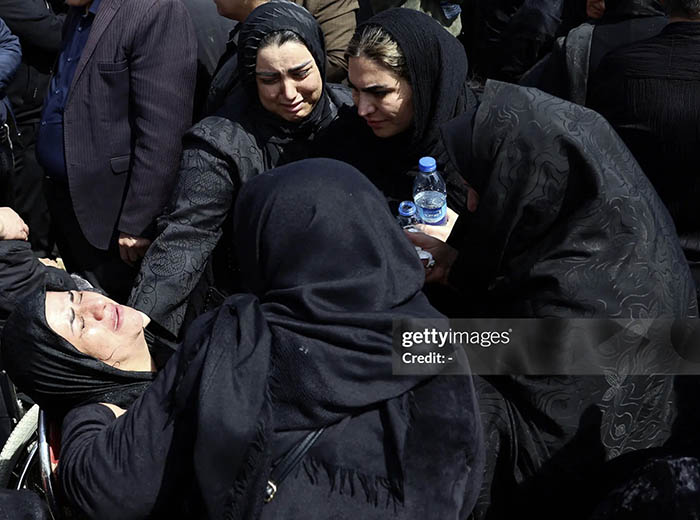
The Behesht Zahra Funeral and the War’s Deepening Crisis: Context, Reactions, and Regional Implications
Overseas Diplomatic Pressure
External actors are also playing a role. China has publicly called for an immediate cessation of hostilities and a return to peace negotiations, urging all parties to seize opportunities for dialogue while offering cautious support for diplomatic engagement.
Meanwhile, Gulf states such as Saudi Arabia and the United Arab Emirates express nuanced positions. While opposing the war’s escalation, they are also wary of a rapid peace that might leave Iran’s regional role unchallenged. Some states prefer outcomes that limit Tehran’s influence while stabilizing security in the Gulf region.
Domestic and International Reactions
Public opinion internationally is fractured. In the U.S., major polling indicates growing skepticism about continued military involvement, with mounting disapproval from key voter groups frustrated by rising costs and uncertainty.
Across the globe, protests both supporting and opposing the conflict have been held, reflecting the wide array of perspectives on U.S. and Israeli actions versus Iranian sovereignty and self‑defense rights. These demonstrations have occurred not only in the Middle East but also in Western capitals and other regions.
International organizations, including the United Nations and human rights bodies, have warned against breaches of international law, calling for restraint and accountability on all sides. Critics of the war emphasize the humanitarian costs, including civilian casualties and the displacement of families caught in combat zones.
March 26, 2026 | 2:36 pm