The Behesht Zahra Funeral and the War’s Deepening Crisis: Context, Reactions, and Regional Implications
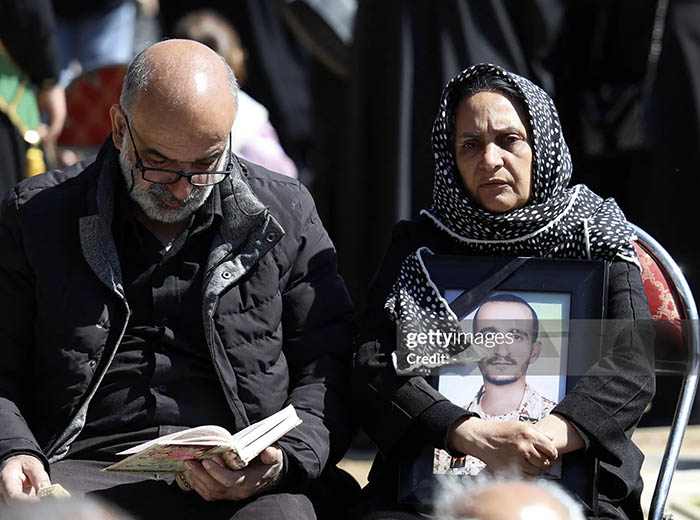
The events of March 26, 2026, at Behesht Zahra cemetery in southern Tehran, where mourners carried coffins draped in Iranian flags, marked not only the personal tragedies of loss but also the symbolic heart of a nation under siege. The funerals, widely covered by international media, underscored the scale of the casualties that have emerged from nearly four weeks of intense fighting involving Iran, the United States, and Israel. Families gathered to mourn relatives who had been killed in the conflict, reflecting a collective grief that mirrors the broader societal strain in Iran. The images of weeping men and women, solemn processions, and tightly clustered crowds carrying caskets reverberated across media channels, creating a stark visual narrative of both sacrifice and resistance.
The Middle East war of 2026 cannot be understood without reference to decades of tension between Iran and its adversaries. Iran’s strategic positioning in the region, bolstered by alliances with militia groups in Iraq, Lebanon, Syria, and Yemen, has long been a source of concern for U.S. and Israeli policymakers. Over the past twenty years, successive rounds of sanctions, covert operations, and military interventions have framed the perception of Iran as both a threat and a key regional actor. The 2026 escalation followed a series of preemptive strikes targeting Iranian military installations, leadership figures, and infrastructure, which Iran responded to with missile attacks and drone operations directed at Israel and U.S. assets in the Gulf. The resulting cycle of violence rapidly expanded the theater of conflict beyond initial expectations, with civilian populations increasingly caught in the crossfire.
March 26, 2026 | 2:36 pmMore stories
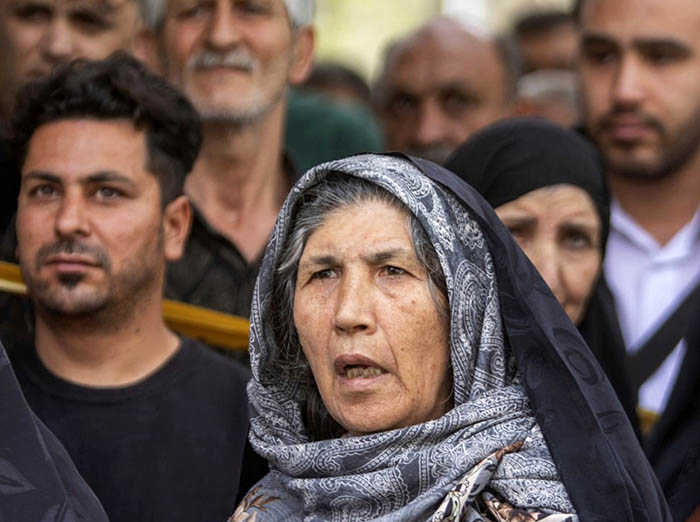
Residents in Shock After Missile Strikes Devastate Homes in Ray Amid Escalating War
Introduction Residents of Ray, a historic city just south of Tehran, woke to scenes of devastation and disbelief after midnight … Continue reading ➝
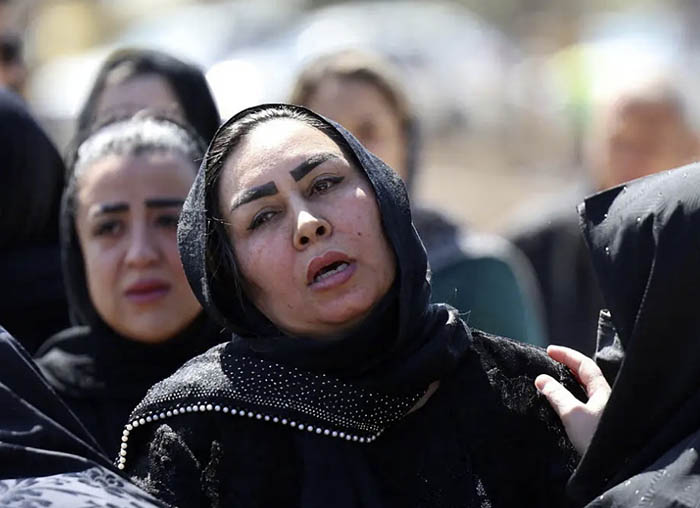
The Behesht Zahra Funeral and the War’s Deepening Crisis: Context, Reactions, and Regional Implications
Introduction On March 26, 2026, funerals for victims of the ongoing Middle East conflict took place at the Behesht Zahra cemetery in … Continue reading ➝
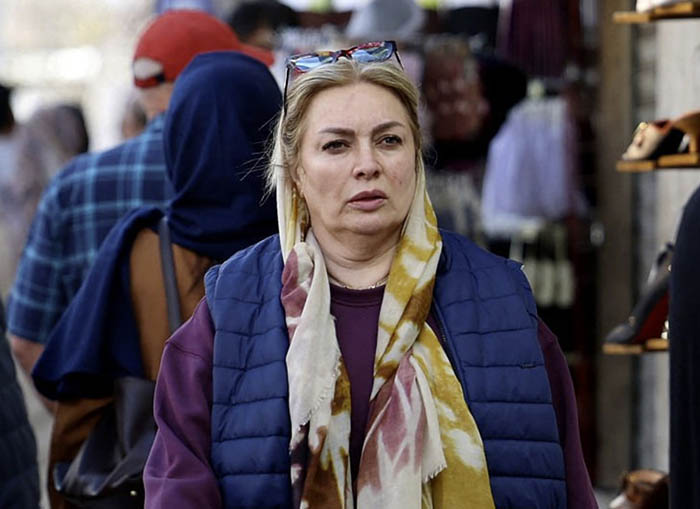
Tajrish Bazaar Struggles: Slow Economic Growth Amid Iran–Israel War
Introduction The bustling lanes of Tajrish Bazaar, one of the most iconic marketplaces in Tehran, are no longer what they … Continue reading ➝
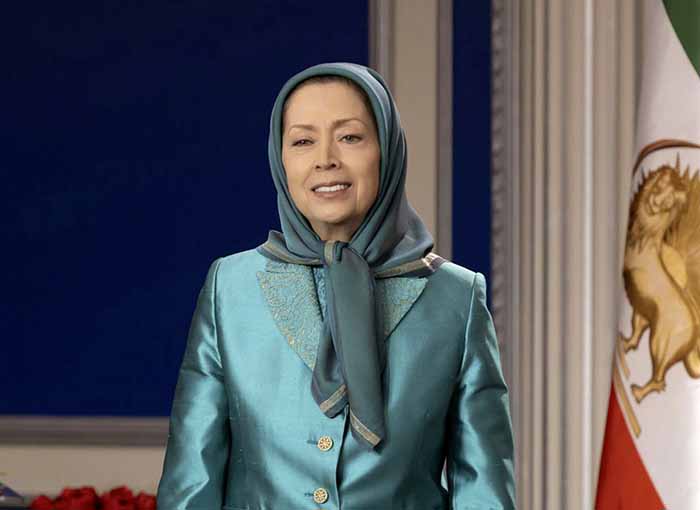
Maryam Rajavi: Unpopularity, Political Controversies, NCRI Leadership, and Life in Albania’s MEK Camp
Introduction Maryam Rajavi remains one of the most debated figures in modern Iranian politics. As the President-elect of the National … Continue reading ➝
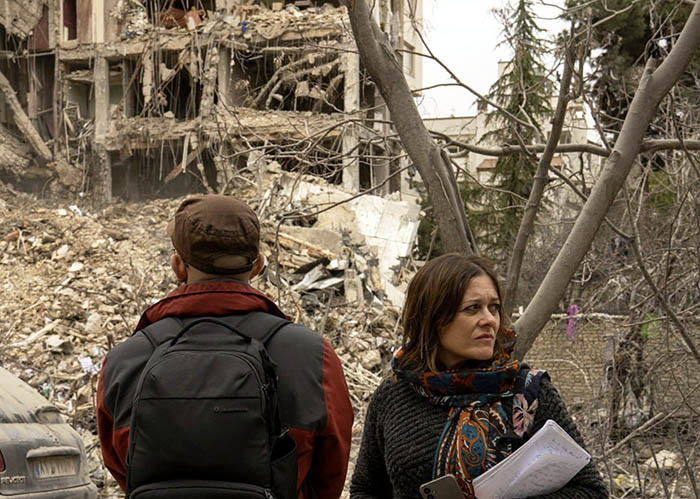
The Devastating Impact of U.S. and Israeli Airstrikes on Tehran’s Enderzgu District
Introduction The Enderzgu district of Tehran, Iran’s bustling capital, has recently become the epicenter of a devastating military attack that … Continue reading ➝