Tehran Today: Daily Life Continues as Iran-U.S. Tensions Escalate in October 2026
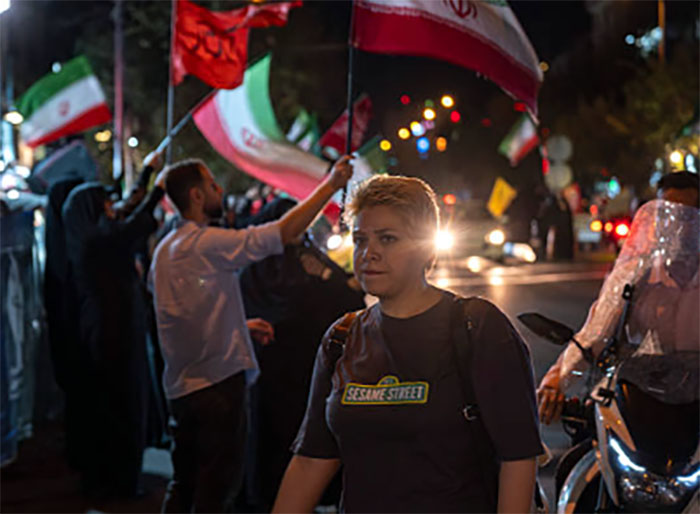
Does the presence of demonstrations indicate that most Iranians support the government?
No. Photographs of a demonstration can document visible participants but cannot establish the political views of the wider population. Reliable assessments of public opinion require broader evidence.
Do the photographs prove that a military confrontation is imminent?
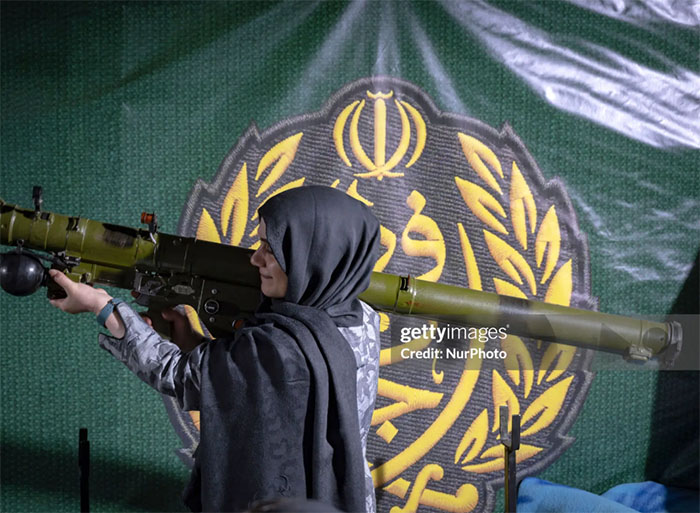
No. The images document public rallies, military training activities, and ordinary urban scenes. They do not establish that military action is imminent. Assessing escalation risks requires additional verified diplomatic and security information.
Who took the photographs of Tehran in October 2026?
The supplied captions credit Fatemeh Bahrami for Anadolu via Getty Images and Morteza Nikoubazl for NurPhoto via Getty Images. The individual credit should be matched to the relevant photograph when the images are published.
Conclusion: Tehran Between Everyday Life and Geopolitical Uncertainty
The photographs taken in Tehran on October 11 and 12, 2026, offer a visual account of a capital city experiencing several overlapping realities.
Residents continue to appear in commercial districts and public streets. Pro-government supporters wave Iranian flags during an anti-U.S. nighttime rally. Female participants take part in military training activities in a downtown square. At Enghelab Square, a large billboard communicates a sharply critical message about Israel and Benjamin Netanyahu.
These scenes provide a snapshot of Tehran’s public environment during a period of renewed tension between Iran and the United States.
Their significance lies not in proving a particular political outcome, but in documenting how ordinary urban activity, public demonstrations, military preparedness, and political messaging appear alongside one another.
The wider implications remain dependent on developments that the photographs cannot resolve: the direction of U.S.-Iran diplomacy, the Iranian government’s response to Washington’s demands, the risk of regional escalation, and the potential consequences for people across the Middle East.
For readers following Tehran news, Iran-U.S. relations, Iran-Israel tensions, and daily life in Iran, the images offer a starting point for understanding the moment. A complete assessment will require continued reporting, verified statements, and evidence from beyond the photographed locations.