State Event: Kneel Before Iranians – A Symbol of National Unity and Heritage in Tehran
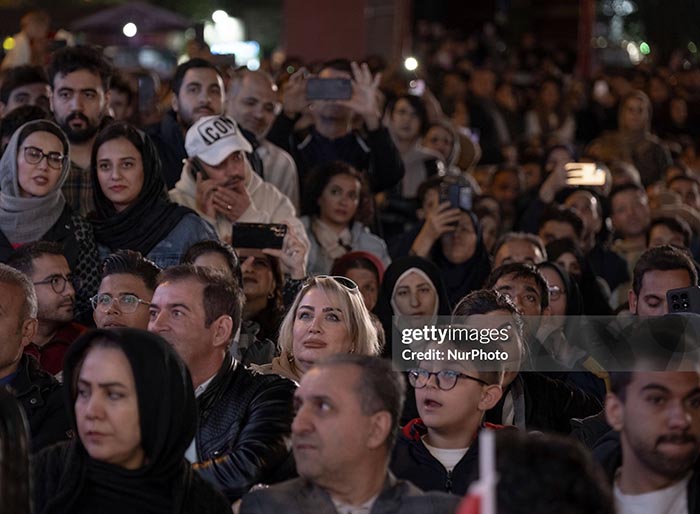
Key Historical Figures Highlighted in Iran’s Cultural and Political Discourse
Shapur I: The Sasanian Warrior King
Shapur I (circa 240–270 AD) was one of Iran’s most celebrated monarchs, renowned for his military conquests, diplomatic skills, and cultural patronage. His reign marked a period of territorial expansion, including victories over the Roman Empire, notably the capture of Emperor Valerian.
- Military Achievements: Shapur I expanded the Sasanian Empire into the Roman provinces of Mesopotamia, capturing key cities and establishing Iran’s dominance in the region.
- Cultural Contributions: He promoted Zoroastrianism as the state religion, oversaw the construction of grand palaces and fire temples, and supported Persian art and literature.
- Legacy: Shapur I’s military prowess and cultural patronage made him a symbol of Iran’s historical resilience and imperial strength, often invoked in modern nationalistic narratives.
Roman Emperor Valerian: A Symbol of Persian Victory
Valerian (circa 200–260 AD) was a Roman emperor whose capture by Shapur I became a legendary episode in Iran’s history.
- Historical Significance: After his defeat at the Battle of Edessa, Valerian was taken prisoner and reportedly served as a court advisor to Shapur I. His captivity symbolized Persia’s military superiority over Rome.
- Modern Symbolism: In Iran’s political discourse, Valerian’s capture and Shapur’s victory symbolize Iran’s historic resilience and ability to stand against external powers. The sculpture of Valerian alongside Shapur I during the 2025 event reinforces this enduring legacy.
Cyrus the Great: The Founder of the Persian Empire
While not directly depicted in the recent event, Cyrus the Great (circa 600–530 BC) remains a central figure in Iran’s national identity.
- Founder of the Achaemenid Empire: Cyrus established one of the largest empires of the ancient world, promoting enlightened governance, religious tolerance, and respect for diverse cultures.
- Symbol of Leadership: Known for his innovative policies and humane rule, Cyrus epitomizes the ideals of sovereignty, justice, and cultural diplomacy.
- Modern Reverence: Iran celebrates Cyrus as a founding father of its civilization, with monuments and historical sites honoring his legacy, which continues to inspire national pride.
More stories
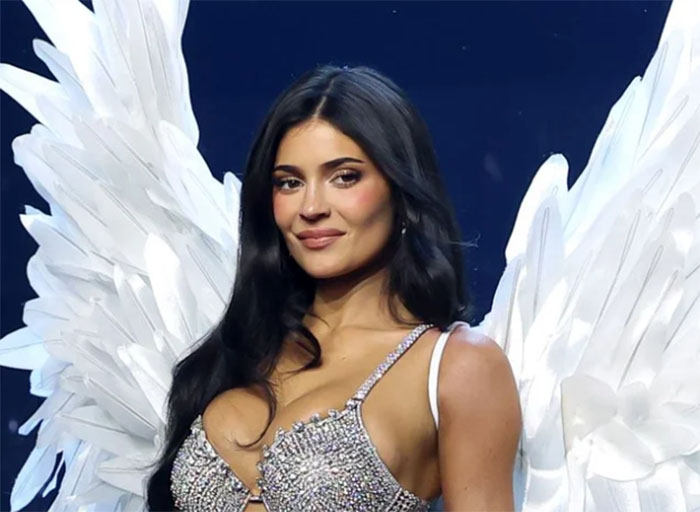
Kylie Jenner Makes Victoria’s Secret Fashion Show Debut in $50 Million Fantasy Bra
Introduction Babak Takhti is an Iranian writer, publisher and the only son of Gholamreza Takhti, the legendary Iranian freestyle wrestler … Continue reading ➝

Who Is Babak Takhti? Gholamreza Takhti’s Only Son, His Family, Career, and His Father’s Controversial Death
Introduction Babak Takhti is an Iranian writer, publisher and the only son of Gholamreza Takhti, the legendary Iranian freestyle wrestler … Continue reading ➝
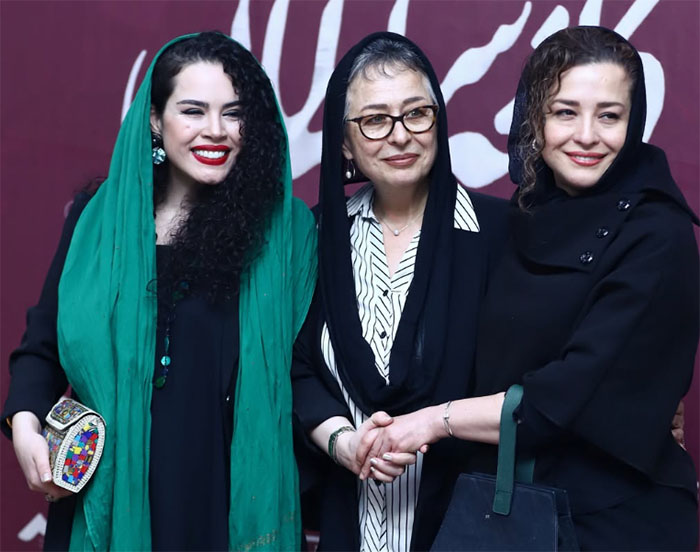
Azita Hajian, Mehraveh Sharifinia and Melika Sharifinia Attend Cafe Soltan Private Screening at Megamall Cinema
Introduction The private screening of Cafe Soltan, the Iranian feature film directed by Mostafa Razagh-Karimi and produced by Morteza Razagh-Karimi, … Continue reading ➝

Bot (Bet) Movie: Hamid Nematollah’s Drama Holds Private Screening at Galleria Cinema Complex
Introduction The Iranian social drama Bot, also transliterated as Bet and associated with the English title Idol, has attracted attention … Continue reading ➝
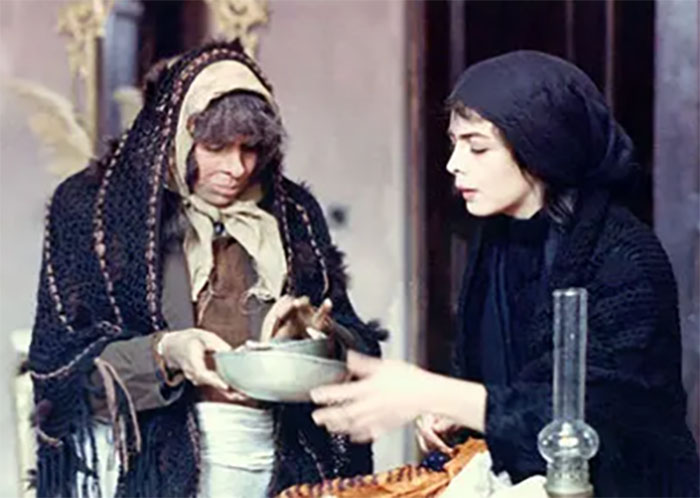
10 Fascinating Stories About Most Famous Actresses: Behind-the-Scenes Secrets From Iconic Films and TV Shows
Introduction 1. Gohar Kheirandish in Banoo: The Makeup That Could Not Hide Her Beauty Film: Banoo (The Lady) Director: Dariush … Continue reading ➝