State Event: Kneel Before Iranians – A Symbol of National Unity and Heritage in Tehran
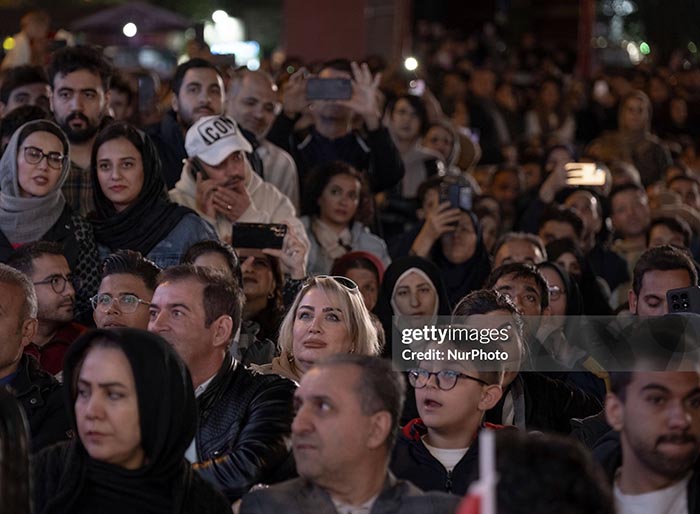
Key Historical Figures Highlighted in Iran’s Cultural and Political Discourse
Shapur I: The Sasanian Warrior King
Shapur I (circa 240–270 AD) was one of Iran’s most celebrated monarchs, renowned for his military conquests, diplomatic skills, and cultural patronage. His reign marked a period of territorial expansion, including victories over the Roman Empire, notably the capture of Emperor Valerian.
- Military Achievements: Shapur I expanded the Sasanian Empire into the Roman provinces of Mesopotamia, capturing key cities and establishing Iran’s dominance in the region.
- Cultural Contributions: He promoted Zoroastrianism as the state religion, oversaw the construction of grand palaces and fire temples, and supported Persian art and literature.
- Legacy: Shapur I’s military prowess and cultural patronage made him a symbol of Iran’s historical resilience and imperial strength, often invoked in modern nationalistic narratives.
Roman Emperor Valerian: A Symbol of Persian Victory
Valerian (circa 200–260 AD) was a Roman emperor whose capture by Shapur I became a legendary episode in Iran’s history.
- Historical Significance: After his defeat at the Battle of Edessa, Valerian was taken prisoner and reportedly served as a court advisor to Shapur I. His captivity symbolized Persia’s military superiority over Rome.
- Modern Symbolism: In Iran’s political discourse, Valerian’s capture and Shapur’s victory symbolize Iran’s historic resilience and ability to stand against external powers. The sculpture of Valerian alongside Shapur I during the 2025 event reinforces this enduring legacy.
Cyrus the Great: The Founder of the Persian Empire
While not directly depicted in the recent event, Cyrus the Great (circa 600–530 BC) remains a central figure in Iran’s national identity.
- Founder of the Achaemenid Empire: Cyrus established one of the largest empires of the ancient world, promoting enlightened governance, religious tolerance, and respect for diverse cultures.
- Symbol of Leadership: Known for his innovative policies and humane rule, Cyrus epitomizes the ideals of sovereignty, justice, and cultural diplomacy.
- Modern Reverence: Iran celebrates Cyrus as a founding father of its civilization, with monuments and historical sites honoring his legacy, which continues to inspire national pride.
More stories

Coffee Under Fire: The Resilience of Café Culture in Tehran During Wartime
Introduction Tehran has always been a city of paradoxes—restless yet restrained, modern yet steeped in history. In times of war, … Continue reading ➝
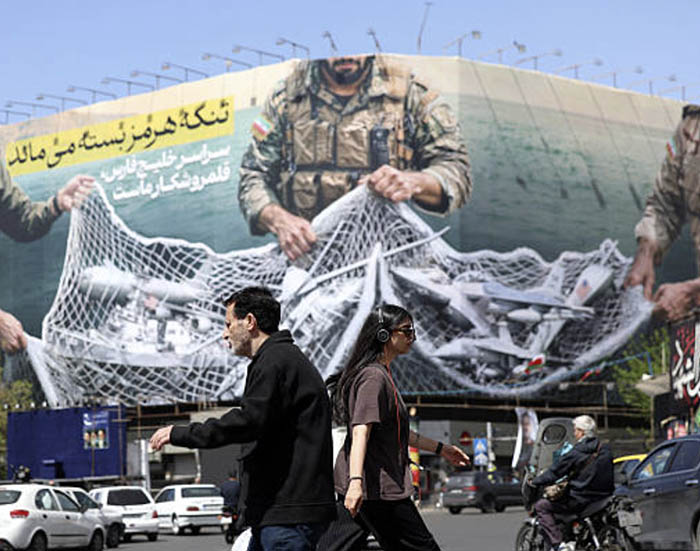
Strait of Hormuz Crisis 2026: Propaganda Posters in Enghelab Square
Introduction In the heart of Tehran, specifically at Enghelab Square, a massive propaganda banner has emerged as one of the … Continue reading ➝
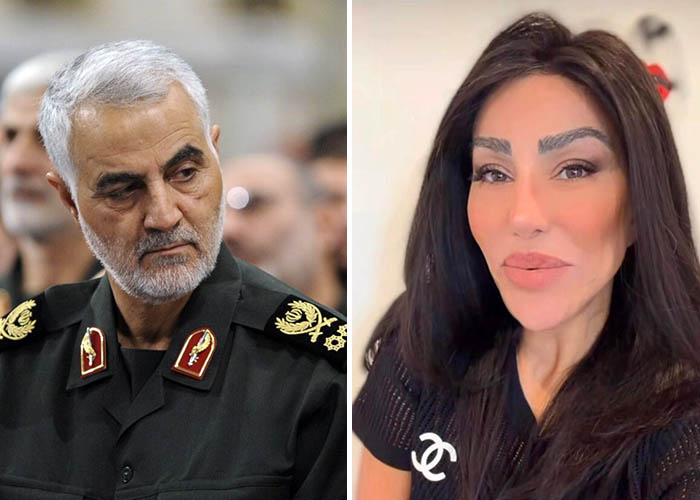
US State Department Arrests Relative of Qassem Soleimani: Immigration Crackdown, National Security Concerns
Introduction The recent announcement by the United States Department of State regarding the arrest and revocation of permanent residency for … Continue reading ➝
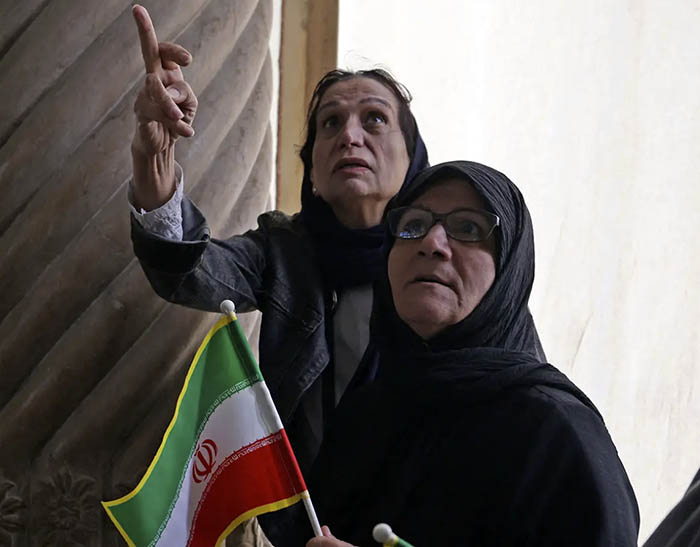
Damage to Golestan Palace Amid Iran–Israel–US Conflict: Cultural Heritage at Risk
Introduction The unfolding Iran–Israel–US conflict in 2026 has not only intensified geopolitical tensions in the Middle East but has also … Continue reading ➝
U.S.-Israeli Military Operations: Full Analysis of the 2026 Middle East Conflict
Introduction The escalating conflict involving United States, Israel, and Iran has rapidly evolved into one of the most dangerous geopolitical … Continue reading ➝