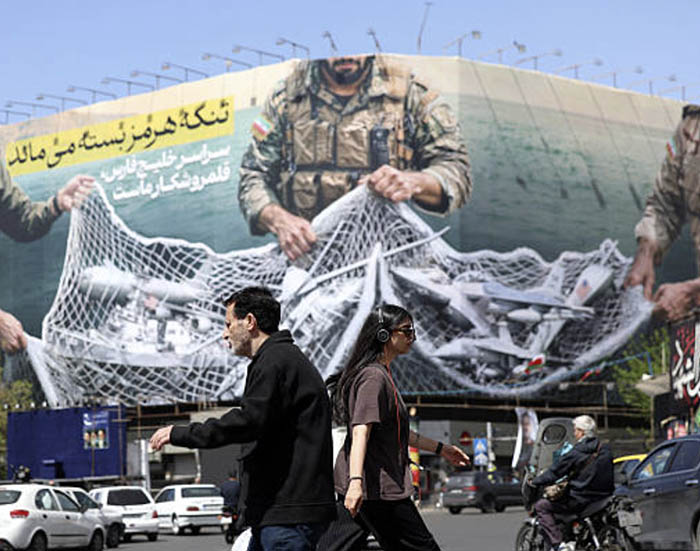
Why Are Western Countries Searching for Copies of the “Shahed” Drones? An In-Depth Analysis
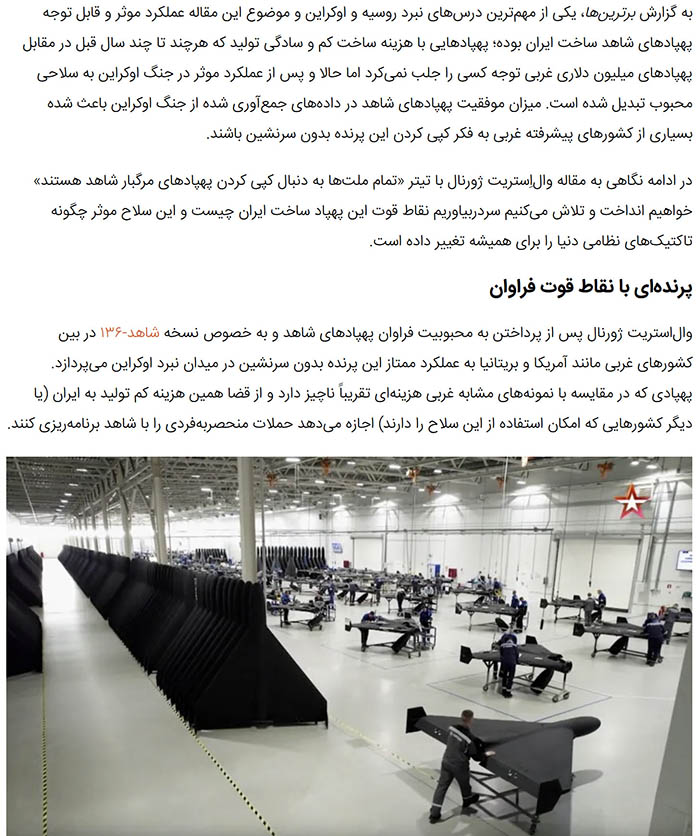
Background of Shahed Drones
The Shahed-136 is an Iranian-made kamikaze drone—a loitering munition designed for strike missions. Its deployment in the Ukraine conflict has demonstrated remarkable battlefield efficiency, especially considering its low manufacturing cost. Unlike high-tech Western drones, the Shahed is built for mass production, ease of use, and cost-effective deployment, making it an attractive option for countries seeking asymmetric warfare capabilities.
Key Features of Shahed Drones
- Low Cost & Affordable Production: Estimated at a few thousand dollars per unit, making it accessible for a broader range of states and non-state actors.
- Long Range & Endurance: Capable of flying over 1,600 km with some versions reaching 2,500 km.
- Simplicity & Ease of Manufacturing: Designed with non-complex materials like fiberglass, carbon fiber, and simple aerodynamics.
- Mass Production Potential: Minimal reliance on high-tech components allows rapid scaling.
- Effectiveness in Battlefield: Proven to bypass modern missile defense systems through saturation attacks.
Why Are Western Countries Interested in Copying Shahed Drones?
1. Cost-Effective Military Technology
The cost-efficiency of Shahed drones is a game-changer. Western military budgets are often constrained, and developing high-cost drones like the General Atomics MQ-9 Reaper or Bayraktar TB2 involves massive investments. In contrast, the low-cost, mass-producible nature of Shahed drones offers a cost-effective alternative for force multiplication.
2. Battlefield Effectiveness & Saturation Attacks
The real-world battlefield performance of Shahed drones in Ukraine has shown their capability to saturate enemy defenses, disrupt command and control, and damage high-value targets. Western militaries recognize the importance of swarm tactics and saturation attacks, which are difficult to defend against with traditional missile defense systems.
3. Ease of Production & Supply Chain Independence
Western nations are interested in reducing dependency on foreign technology and developing indigenous or allied drone manufacturing capabilities. The simple design and mass production potential of Shahed drones make them an ideal model for developing domestic drones that are easy to produce and customize.
4. Strategic & Tactical Flexibility
The long endurance and range of Shahed drones enable deep strikes into enemy territory, targeting critical infrastructure, military bases, and logistics hubs. Western countries seek similar capabilities to expand their strategic reach.
5. Asymmetric Warfare & Defense Strategy
The proliferation of cheap, effective drones like Shahed offers non-conventional warfare advantages. Western defense strategies now incorporate counter-drone technologies, but the best approach is to develop countermeasures and indigenous equivalents to maintain strategic parity.
October 6, 2025 | 7:01 pm