Shab-e Yalda: Celebrating the Longest Night of the Year with Rich Traditions and Cultural Significance
Traditional Practices and Rituals During Shab-e Yalda
Family Gatherings and Community Celebrations
The core of Yalda is family and community gatherings. People come together in homes, communal spaces, and cultural centers to share meals, stories, and poetry. The emphasis on togetherness emphasizes the importance of kinship, unity, and cultural continuity.
Special Foods and Fruits
One of the most distinctive aspects of Yalda is the preparation and consumption of special foods. These traditional dishes and fruits are believed to bring health, prosperity, and happiness.
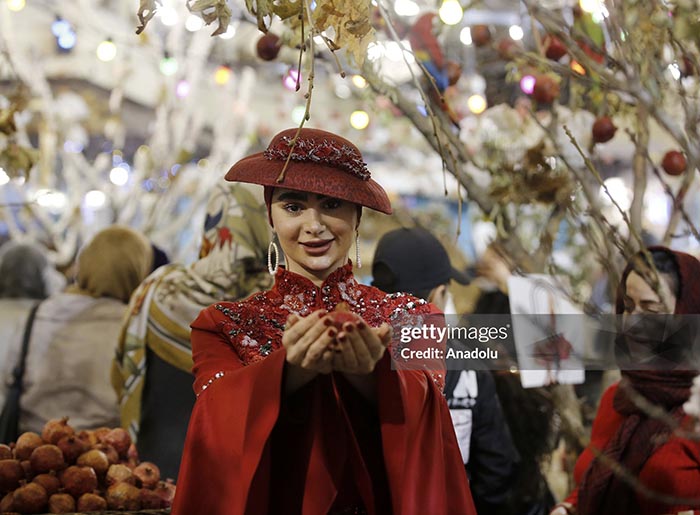
- Pomegranate: Symbolizing fertility and rebirth, pomegranates are a staple on Yalda tables. Their vibrant red color and numerous seeds represent abundance.
- Watermelon: Despite winter’s chill, watermelon is widely enjoyed during Yalda, symbolizing the sun and the victory of light over darkness.
- Nuts and Seeds: Almonds, pistachios, walnuts, and dried fruits are served as snacks, offering energy and health benefits.
- Sweet Dishes: Traditional desserts like baklava, date pastries, and fruit preserves are common during Yalda celebrations.
Poetry, Storytelling, and Music
Reciting classical poetry, especially works by renowned Persian poets such as Hafez, Saadi, and Rumi, is a cherished tradition. People often read verses that evoke themes of love, hope, and the eternal battle between darkness and light.
Storytelling sessions feature folk tales, legends, and anecdotes, fostering cultural education and entertainment. Music and traditional songs also play a vital role in creating a festive atmosphere.
Lighting and Fire Rituals
Lighting candles or bonfires is symbolic of dispelling darkness and welcoming light. The act of lighting represents hope, enlightenment, and spiritual awakening.
December 21, 2025 | 2:34 pm