Seyyed Hassan Khomeini Visits Seyyed Mahmoud Alavi: A Sign of Political and Religious Connections
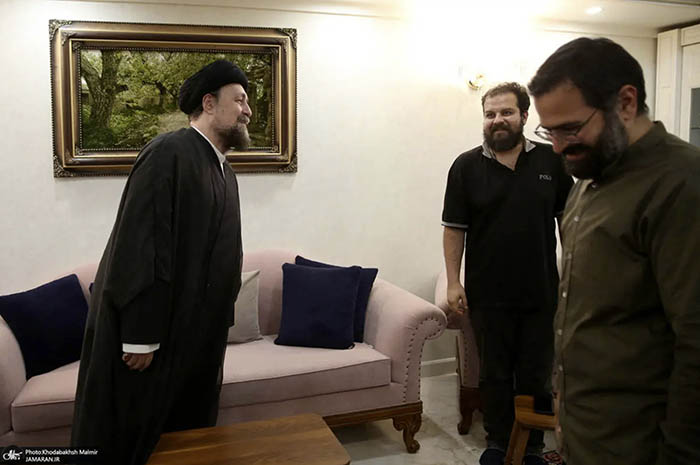
Who Is Seyyed Hassan Khomeini? The Political and Religious Leader in Iran
Early Life and Background
Born in 1964 in the holy city of Qom, Iran, Seyyed Hassan Khomeini is the grandson of Ayatollah Ruhollah Khomeini, the founder of the Islamic Republic. His lineage alone gives him a unique and influential position within Iran’s religious hierarchy. Unlike many clerics who pursue political careers directly, Hassan Khomeini has historically maintained a measured approach, emphasizing moral authority and religious legitimacy.
He received his religious education in Qom, Iran’s religious capital, and has been recognized for his scholarly contributions to Islamic jurisprudence. Although he has refrained from holding official government positions for most of his career, his influence extends through his religious authority, familial ties, and moral standing.
Role in Iranian Politics
While Hassan Khomeini has not officially held high government office, he is considered an influential moral voice within the Islamic Republic. His familial connection to the revolution’s founder grants him a level of respect and moral authority that transcends formal political roles.
In recent years, Hassan Khomeini has been associated with a cautious reformist stance, advocating for greater transparency, adherence to Islamic principles, and a more balanced political environment. His calls for reform are often interpreted as subtle challenges to hardline conservative factions, making him a key figure in Iran’s ongoing internal debates over the country’s future.
Religious and Moral Authority
Hassan Khomeini’s influence is rooted in his religious authority, which is reinforced by his lineage, scholarly background, and moral standing among Iran’s devout population. His public statements and visits, such as the recent one to Seyyed Mahmoud Alavi, are often seen as symbolic acts that reinforce the legitimacy of religious authority in shaping Iran’s political landscape.
He is viewed by many Iranians as a potential unifying figure capable of bridging the divide between reformists and conservatives, advocating for moral integrity and adherence to Islamic principles amid a climate of political repression and social unrest.
August 18, 2025 | 8:59 pmMore stories
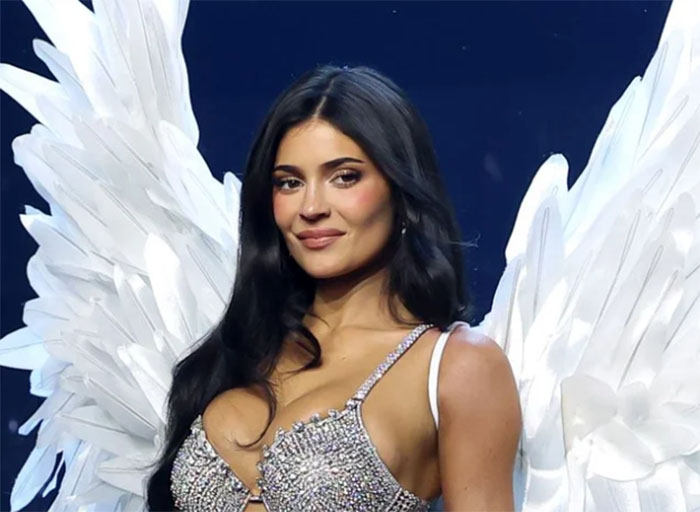
Kylie Jenner Makes Victoria’s Secret Fashion Show Debut in $50 Million Fantasy Bra
Introduction Babak Takhti is an Iranian writer, publisher and the only son of Gholamreza Takhti, the legendary Iranian freestyle wrestler … Continue reading ➝
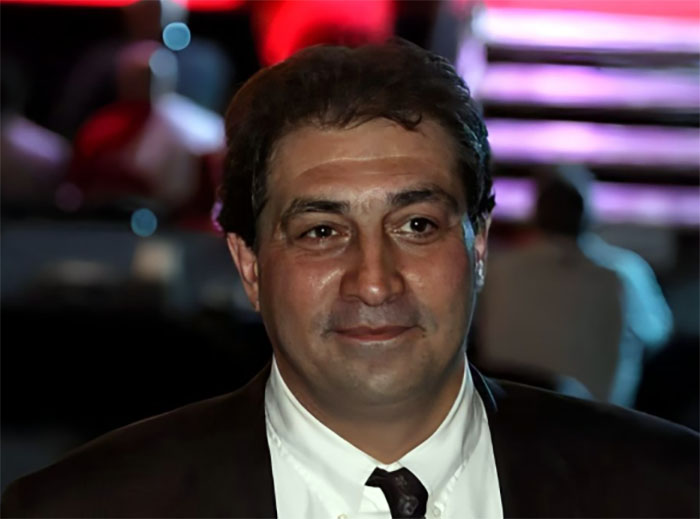
Who Is Babak Takhti? Gholamreza Takhti’s Only Son, His Family, Career, and His Father’s Controversial Death
Introduction Babak Takhti is an Iranian writer, publisher and the only son of Gholamreza Takhti, the legendary Iranian freestyle wrestler … Continue reading ➝
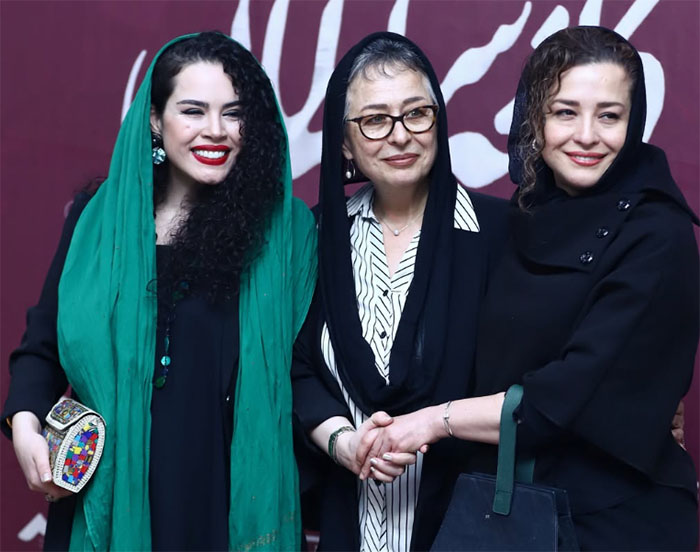
Azita Hajian, Mehraveh Sharifinia and Melika Sharifinia Attend Cafe Soltan Private Screening at Megamall Cinema
Introduction The private screening of Cafe Soltan, the Iranian feature film directed by Mostafa Razagh-Karimi and produced by Morteza Razagh-Karimi, … Continue reading ➝
Bot (Bet) Movie: Hamid Nematollah’s Drama Holds Private Screening at Galleria Cinema Complex
Introduction The Iranian social drama Bot, also transliterated as Bet and associated with the English title Idol, has attracted attention … Continue reading ➝
10 Fascinating Stories About Most Famous Actresses: Behind-the-Scenes Secrets From Iconic Films and TV Shows
Introduction 1. Gohar Kheirandish in Banoo: The Makeup That Could Not Hide Her Beauty Film: Banoo (The Lady) Director: Dariush … Continue reading ➝