Seyyed Hassan Khomeini Visits Seyyed Mahmoud Alavi: A Sign of Political and Religious Connections
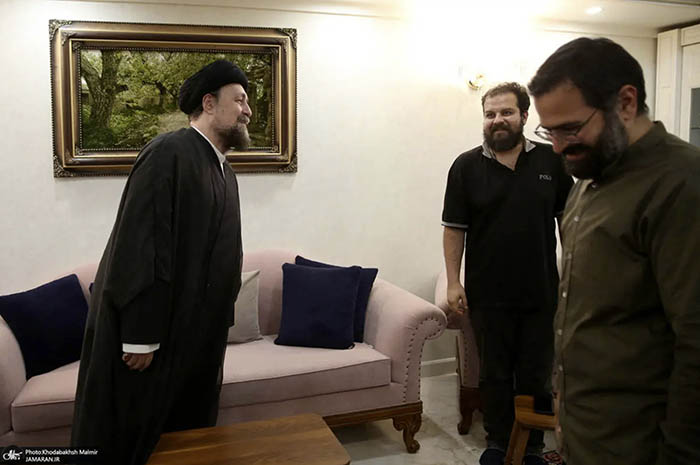
Who Is Seyyed Hassan Khomeini? The Political and Religious Leader in Iran
Early Life and Background
Born in 1964 in the holy city of Qom, Iran, Seyyed Hassan Khomeini is the grandson of Ayatollah Ruhollah Khomeini, the founder of the Islamic Republic. His lineage alone gives him a unique and influential position within Iran’s religious hierarchy. Unlike many clerics who pursue political careers directly, Hassan Khomeini has historically maintained a measured approach, emphasizing moral authority and religious legitimacy.
He received his religious education in Qom, Iran’s religious capital, and has been recognized for his scholarly contributions to Islamic jurisprudence. Although he has refrained from holding official government positions for most of his career, his influence extends through his religious authority, familial ties, and moral standing.
Role in Iranian Politics
While Hassan Khomeini has not officially held high government office, he is considered an influential moral voice within the Islamic Republic. His familial connection to the revolution’s founder grants him a level of respect and moral authority that transcends formal political roles.
In recent years, Hassan Khomeini has been associated with a cautious reformist stance, advocating for greater transparency, adherence to Islamic principles, and a more balanced political environment. His calls for reform are often interpreted as subtle challenges to hardline conservative factions, making him a key figure in Iran’s ongoing internal debates over the country’s future.
Religious and Moral Authority
Hassan Khomeini’s influence is rooted in his religious authority, which is reinforced by his lineage, scholarly background, and moral standing among Iran’s devout population. His public statements and visits, such as the recent one to Seyyed Mahmoud Alavi, are often seen as symbolic acts that reinforce the legitimacy of religious authority in shaping Iran’s political landscape.
He is viewed by many Iranians as a potential unifying figure capable of bridging the divide between reformists and conservatives, advocating for moral integrity and adherence to Islamic principles amid a climate of political repression and social unrest.
August 18, 2025 | 8:59 pmMore stories
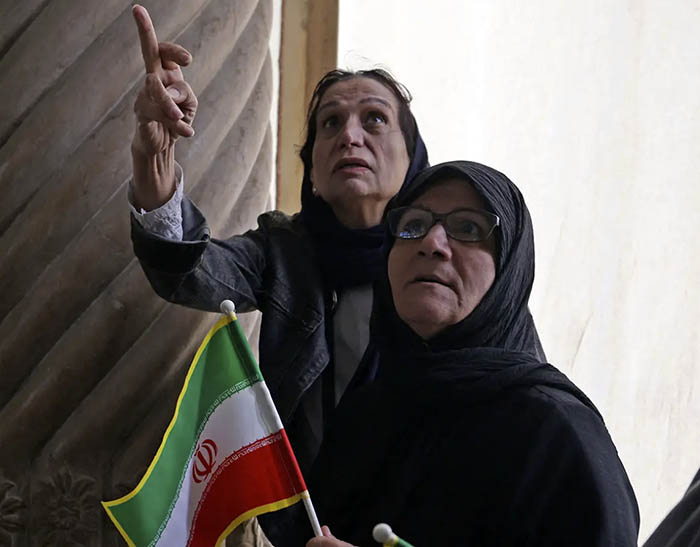
Damage to Golestan Palace Amid Iran–Israel–US Conflict: Cultural Heritage at Risk
Introduction The unfolding Iran–Israel–US conflict in 2026 has not only intensified geopolitical tensions in the Middle East but has also … Continue reading ➝
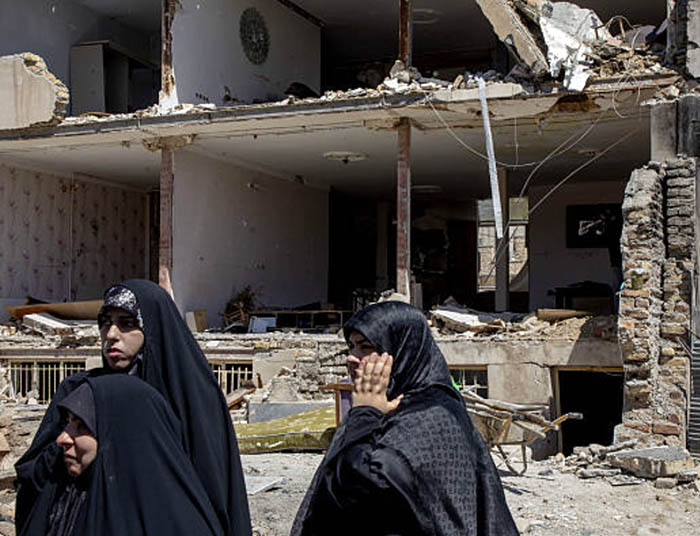
U.S.-Israeli Military Operations: Full Analysis of the 2026 Middle East Conflict
Introduction The escalating conflict involving United States, Israel, and Iran has rapidly evolved into one of the most dangerous geopolitical … Continue reading ➝
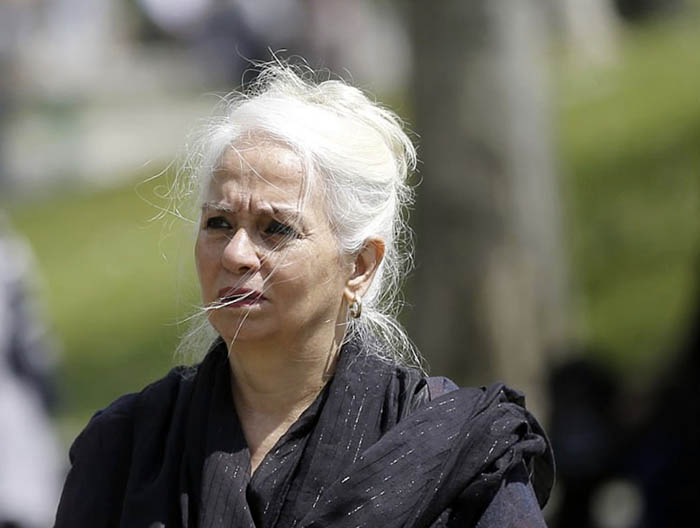
13 Bedar in Tehran: Celebrating Life on the Frontline of War
Introduction In the heart of Tehran, where headlines often speak of geopolitical tension, military escalation, and uncertainty, a different story … Continue reading ➝
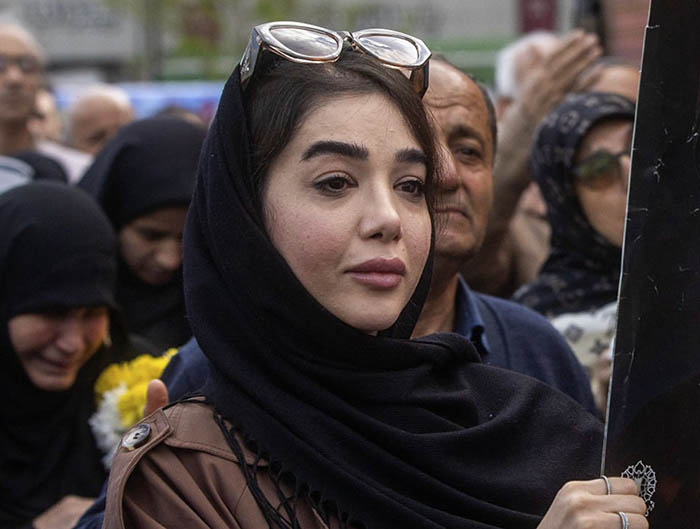
A Mournful Face at Tangsiri’s Funeral: Grief, Power, and Tension in Tehran
Introduction The image of a mournful face at the funeral of Alireza Tangsiri has become one of the most haunting … Continue reading ➝
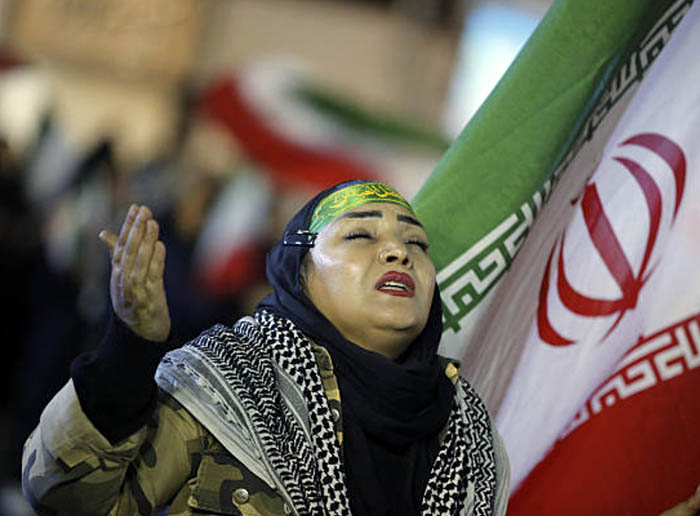
Israeli and U.S. Attacks on Spark Mass Protests in Tehran: Rising Middle East Tensions in 2026
Introduction In a dramatic escalation of tensions in the Middle East, mass protests erupted in Tehran following reports of coordinated … Continue reading ➝