Rial vs US Dollar: A Currency in Crisis – The Comprehensive 2025 Analysis
3. Causes of the Iranian Currency Collapse
3.1. International Sanctions and Diplomatic Isolation
The primary driver of the Rial’s collapse is the relentless pressure of international sanctions. Imposed by the United States, the European Union, and other nations, these sanctions target the very lifeblood of the Iranian economy: oil exports and the banking sector. Sanctions have drastically reduced Iran’s foreign currency reserves and blocked its access to global financial markets. The “maximum pressure” campaign, particularly the re-imposition of sanctions after the US withdrawal from the JCPOA (Iran Nuclear Deal) in 2018, has been suffocating. By cutting Iran off from the SWIFT financial messaging system and prohibiting the purchase of Iranian oil, the US has effectively starved the economy of USD inflows. This diplomatic isolation makes it incredibly difficult for Iran to earn the hard currency needed to support the Rial.
3.2. Internal Economic Mismanagement and Corruption
While external pressure is immense, internal factors have also played a crucial role. Years of economic mismanagement, including expansive fiscal policies funded by money printing, have bloated the money supply. The Iranian government’s budget is heavily reliant on oil revenues, which have been volatile and often underperforming due to sanctions. When oil revenues fall, the government has historically filled the gap by borrowing from the Central Bank, a direct cause of inflation. Furthermore, pervasive corruption and the economic dominance of semi-state entities like the Revolutionary Guard (IRGC) distort the market. The IRGC controls vast economic sectors, often operating outside standard regulatory frameworks. This lack of transparency and the siphoning of resources away from the public purse have eroded confidence in the state’s ability to manage the economy effectively.
3.3. The Role of the Revolutionary Guard and Economic Foundations
A unique feature of Iran’s economy is the significant role played by religious foundations (Bonyads) and the Islamic Revolutionary Guard Corps (IRGC). These entities are exempt from taxes and oversight, controlling up to half of the economy, including major industries like oil, telecommunications, and construction. While they are powerful, they are often inefficient and act as a drain on the national budget. The IRGC’s economic empire is funded directly, often bypassing the Central Bank, which complicates monetary policy. This “economy within an economy” creates a dual structure where the official currency is less relevant for the powerful elite, further distancing the economic reality from the struggles of the common citizen who must deal with the hyper-devaluing Rial.
3.4. Loss of Oil Revenue and Export Challenges
Oil is Iran’s economic Achilles’ heel. The country possesses the world’s largest proven natural gas reserves and the fourth-largest oil reserves, yet it struggles to monetize them. Sanctions have forced Iran’s oil exports from a pre-2018 level of over 2.5 million barrels per day to a fraction of that. The loss of this primary source of USD has had a cascading effect. Without oil dollars, the government cannot replenish its foreign currency reserves, which are necessary to defend the Rial. The “Iran oil exports 2025” statistics paint a grim picture, with the country forced to sell oil at steep discounts to countries willing to defy the sanctions, often for non-USD currencies, further reducing the inflow of the specific currency needed to stabilize the exchange rate.
January 1, 2026 | 9:03 pmMore stories

Kylie Jenner Makes Victoria’s Secret Fashion Show Debut in $50 Million Fantasy Bra
Introduction Babak Takhti is an Iranian writer, publisher and the only son of Gholamreza Takhti, the legendary Iranian freestyle wrestler … Continue reading ➝
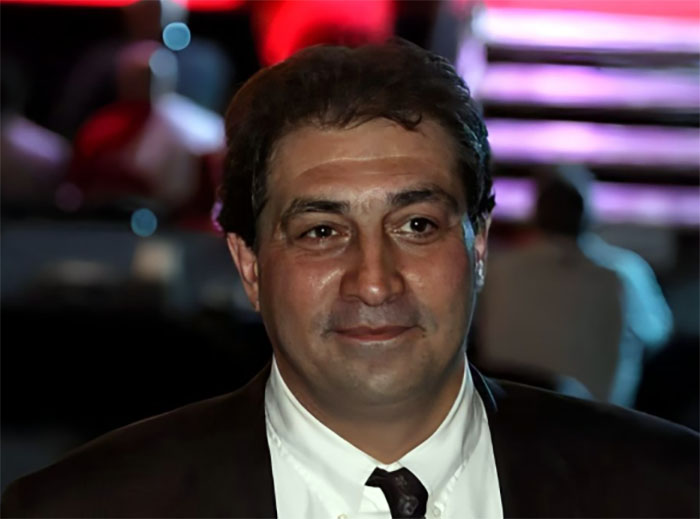
Who Is Babak Takhti? Gholamreza Takhti’s Only Son, His Family, Career, and His Father’s Controversial Death
Introduction Babak Takhti is an Iranian writer, publisher and the only son of Gholamreza Takhti, the legendary Iranian freestyle wrestler … Continue reading ➝
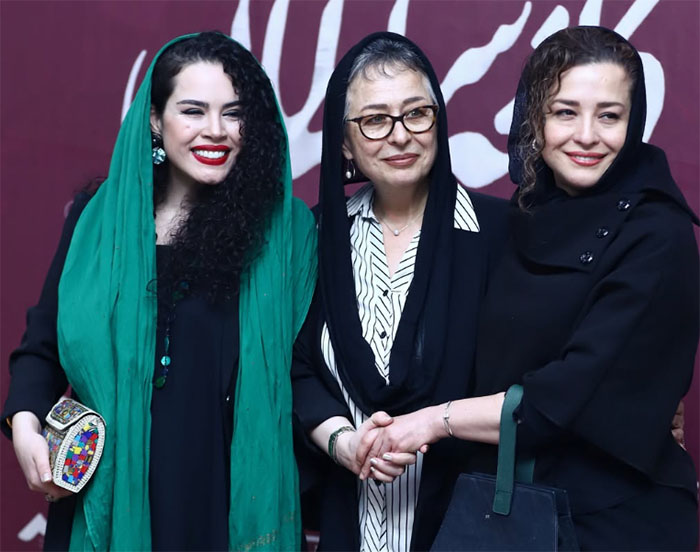
Azita Hajian, Mehraveh Sharifinia and Melika Sharifinia Attend Cafe Soltan Private Screening at Megamall Cinema
Introduction The private screening of Cafe Soltan, the Iranian feature film directed by Mostafa Razagh-Karimi and produced by Morteza Razagh-Karimi, … Continue reading ➝

Bot (Bet) Movie: Hamid Nematollah’s Drama Holds Private Screening at Galleria Cinema Complex
Introduction The Iranian social drama Bot, also transliterated as Bet and associated with the English title Idol, has attracted attention … Continue reading ➝
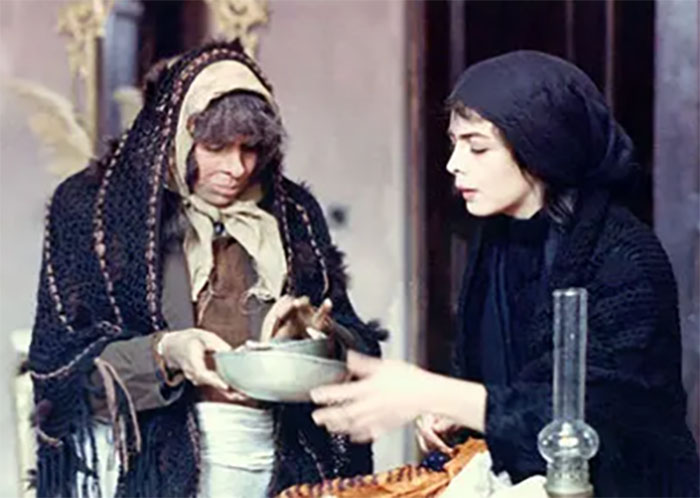
10 Fascinating Stories About Most Famous Actresses: Behind-the-Scenes Secrets From Iconic Films and TV Shows
Introduction 1. Gohar Kheirandish in Banoo: The Makeup That Could Not Hide Her Beauty Film: Banoo (The Lady) Director: Dariush … Continue reading ➝