Rial vs US Dollar: A Currency in Crisis – The Comprehensive 2025 Analysis
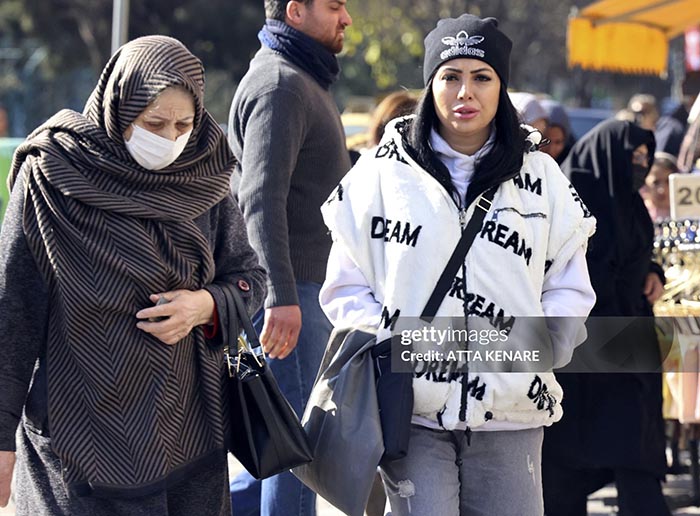
4. Social Impact: Unrest, Protests, and Daily Life in Tehran
4.1. The December 2025 Protests: A Cry for Survival
The economic pain has boiled over into social unrest. In late December 2025, protests erupted across Iran, from Tehran to Mashhad. These were not merely political demonstrations but economic protests born of desperation. Videos circulating on social media showed crowds in Tehran chanting slogans against the high cost of living and the collapse of the currency. The trigger was often the daily fluctuation of the exchange rate, which dictates the price of bread and medicine. The protests in Tehran and other cities were a direct response to the “collapse of the national currency” and the government’s perceived inability to manage the crisis. The scenes of merchants closing the Grand Bazaar in Tehran—a traditional barometer of economic sentiment—signaled a loss of confidence that rippled through the entire society.
4.2. Impact on Purchasing Power and the Cost of Living
For the average Iranian, the crisis is measured not in macroeconomic statistics but in the shrinking contents of their shopping baskets. The surging exchange rate has a direct and immediate impact on the price of imported goods, which includes many essential food items and raw materials. The “cost of living in Iran 2025” has skyrocketed. Reports indicate that food prices have surged, with some staples doubling in price within months. The minimum wage, adjusted periodically by the government, lags far behind the actual inflation rate. This erosion of purchasing power means that teachers, nurses, and factory workers find themselves unable to afford basic necessities. The image of a woman holding a fistful of Rials in Neyshabur is a poignant symbol of this struggle—the money in her hand is simply not enough to secure a dignified life.
4.3. The Crisis in Healthcare and Essential Services
The healthcare sector has been hit particularly hard. Iran relies on imports for over 90% of its pharmaceutical ingredients. As the Rial collapses, the cost of these imports in local currency terms explodes. Hospitals face severe shortages of life-saving medicines, and patients are forced to pay exorbitant prices for treatments that were previously subsidized. The “Iran pharmaceuticals shortage 2025” is a direct consequence of the currency crisis. Essential services are also strained. The government, facing a budget crunch, struggles to maintain subsidies on fuel and utilities, leading to periodic price hikes that spark further public anger. The social fabric is being torn as the social safety net, already threadbare, disintegrates under the weight of economic mismanagement.
4.4. Migration and the Brain Drain
The currency crisis is accelerating one of Iran’s most persistent demographic challenges: brain drain. Highly educated professionals—doctors, engineers, IT specialists—see their futures in Iran as bleak. Their salaries, when converted to USD, are paltry compared to what they could earn abroad. The prospect of saving for a home or a decent retirement seems impossible with a collapsing currency. This has led to a surge in migration applications. The loss of this human capital is a long-term catastrophe for the country, depriving it of the very talent needed to rebuild the economy. The “Iran brain drain 2025” is not just a statistic; it represents the future of the nation voting with its feet, seeking stability and financial security elsewhere.
January 1, 2026 | 9:03 pmMore stories

Kylie Jenner Makes Victoria’s Secret Fashion Show Debut in $50 Million Fantasy Bra
Introduction Babak Takhti is an Iranian writer, publisher and the only son of Gholamreza Takhti, the legendary Iranian freestyle wrestler … Continue reading ➝
Who Is Babak Takhti? Gholamreza Takhti’s Only Son, His Family, Career, and His Father’s Controversial Death
Introduction Babak Takhti is an Iranian writer, publisher and the only son of Gholamreza Takhti, the legendary Iranian freestyle wrestler … Continue reading ➝
Azita Hajian, Mehraveh Sharifinia and Melika Sharifinia Attend Cafe Soltan Private Screening at Megamall Cinema
Introduction The private screening of Cafe Soltan, the Iranian feature film directed by Mostafa Razagh-Karimi and produced by Morteza Razagh-Karimi, … Continue reading ➝

Bot (Bet) Movie: Hamid Nematollah’s Drama Holds Private Screening at Galleria Cinema Complex
Introduction The Iranian social drama Bot, also transliterated as Bet and associated with the English title Idol, has attracted attention … Continue reading ➝
10 Fascinating Stories About Most Famous Actresses: Behind-the-Scenes Secrets From Iconic Films and TV Shows
Introduction 1. Gohar Kheirandish in Banoo: The Makeup That Could Not Hide Her Beauty Film: Banoo (The Lady) Director: Dariush … Continue reading ➝