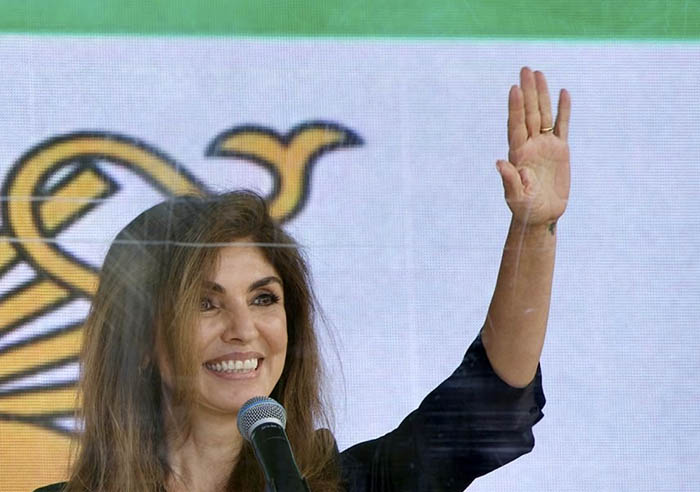
Prominent Art and Political Figures Attend Mohammad Khazaei’s Mother’s Funeral – A Reflection on Velayat-e Faqih
Art as a Reflection of Political Ideology
In Iran, art has always been a powerful tool for reflecting and shaping political ideology. This is particularly true in the realm of cinema, where filmmakers are often tasked with creating work that aligns with the values of the Islamic Republic. The influence of Velayat-e Faqih is evident in the themes and narratives that dominate Iranian cinema, from stories of martyrdom and sacrifice to explorations of social justice and moral righteousness.
At the same time, Iranian cinema is not monolithic. While the government plays a significant role in shaping the industry, there is also room for dissenting voices and alternative perspectives. This diversity of expression is a testament to the resilience of Iranian artists, who continue to find ways to engage with political and social issues in a meaningful way.
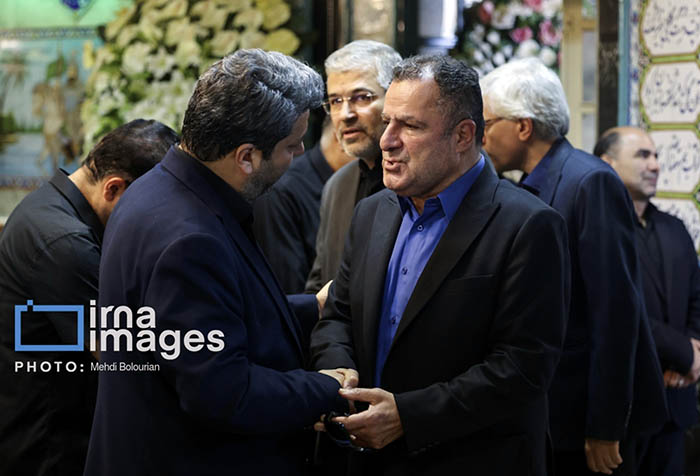
The funeral of Mohammad Khazaei’s mother, attended by figures from both the artistic and political spheres, was a reminder of the close ties between these two domains. It also highlighted the ways in which art can serve as a reflection of political ideology, while also challenging and expanding it.
Religion as a Cultural Force
Religion plays a central role in Iranian society, and its influence is deeply felt in the arts. The principles of Velayat-e Faqih, which emphasize the importance of religious leadership, are not just political but also cultural. They inform the way that art is created, consumed, and interpreted in Iran.
Cinema, as one of the most influential forms of art in Iran, is particularly affected by this dynamic. Filmmakers are often expected to create work that reflects Islamic values, while also engaging with contemporary social issues. This balancing act is a defining feature of Iranian cinema, and it is one that has produced some of the most thought-provoking and critically acclaimed films in the world.
The presence of religious themes in Iranian cinema is not just a matter of government policy; it is also a reflection of the deep cultural and spiritual roots of Iranian society. Films that explore themes of faith, morality, and the human condition resonate deeply with Iranian audiences, who see in these works a reflection of their own experiences and beliefs.