The Controversy Surrounding Defense Secretary Pete Hegseth’s “Kafir” Tattoo

The Historical Context of “Kafir”
Understanding the implications of Hegseth’s tattoo requires delving into the term “kafir” itself. Deriving from the Arabic root K‑F‑R (to cover or conceal), “kafir” has been employed throughout history, especially during periods of conflict, to delineate believers from nonbelievers. Yet the nuances in its application and interpretation can vary dramatically between communities and scholars.
As noted by Mustafa Akyol, a fellow at the Cato Institute, “kafirs” are often portrayed as the sworn enemies of Islam. These historical contexts heighten the implications of such displays in modern times, especially considering the already fraught relationships between the West and Islamic nations.
The Influence of Tattoo Culture
Beyond the immediate shock and outrage, Hegseth’s tattoo reflects a larger trend in contemporary American culture where tattoos have taken on meanings relevant to identity, ideology, and self-expression. Many millennials and Gen Z individuals use body art to convey messages about their beliefs, political affiliations, and life experiences.
For some, tattoos signify a form of rebellion or a rejection of societal norms. However, for others, tattoos symbolize belonging, commitment, and loyalty, as in Hegseth’s case, where his ink represents his faith and political stance. This blending of personal belief with public expression raises critical questions regarding the ethical implications of such choices, especially in the context of symbols that can alienate or stigmatize entire communities.
March 27, 2025 | 7:55 pmMore stories
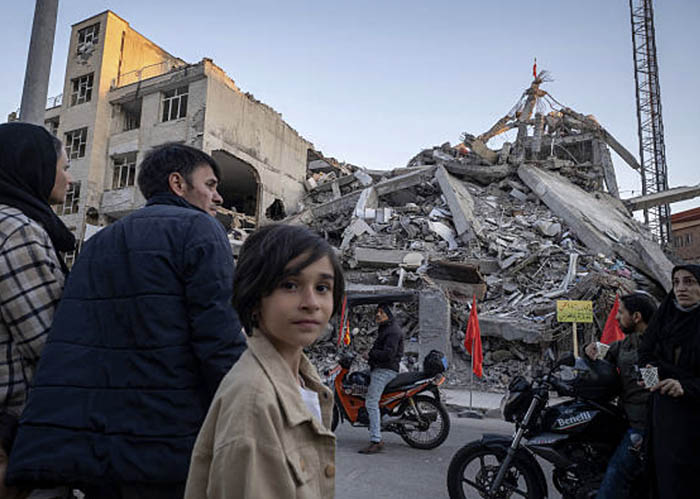
The Islamic Republic’s Instrumental Misuse of War Ruins: Propaganda
Introduction In the aftermath of the March 9 military strikes attributed to joint U.S.-Israeli operations, parts of residential Tehran were … Continue reading ➝
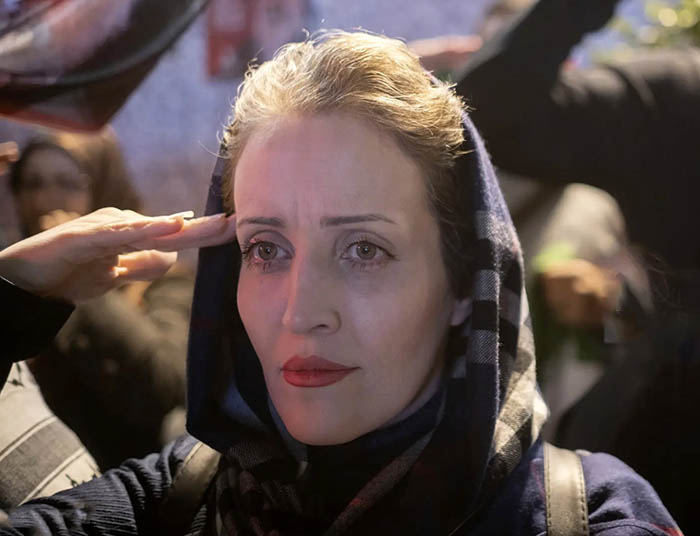
Iran Funeral Ceremony 2026: Rising Tensions After Killing of IRGC Intelligence Chief Majid Khademi
Introduction The funeral ceremony of Majid Khademi, the head of the Islamic Revolutionary Guard Corps (IRGC) Intelligence Organization, has become … Continue reading ➝
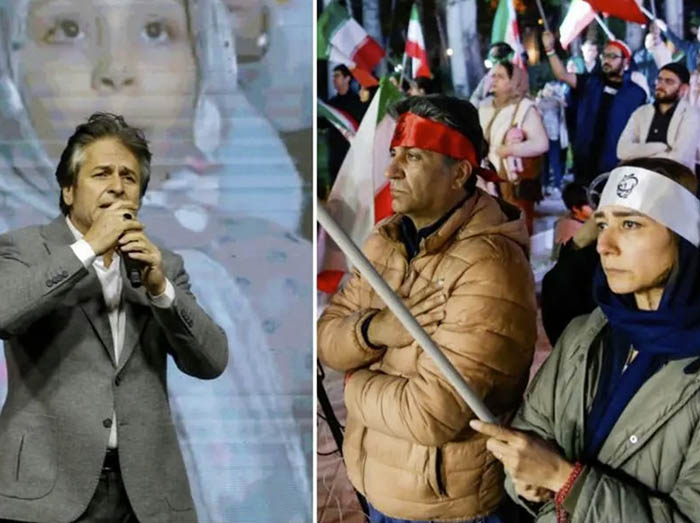
Tajik and Zanko Street Concert in Ferdows Garden: A Powerful Musical Tribute
Introduction On the evening of Tuesday, 18 Farvardin 1405, Ferdows Garden became the heart of an unforgettable cultural moment in … Continue reading ➝
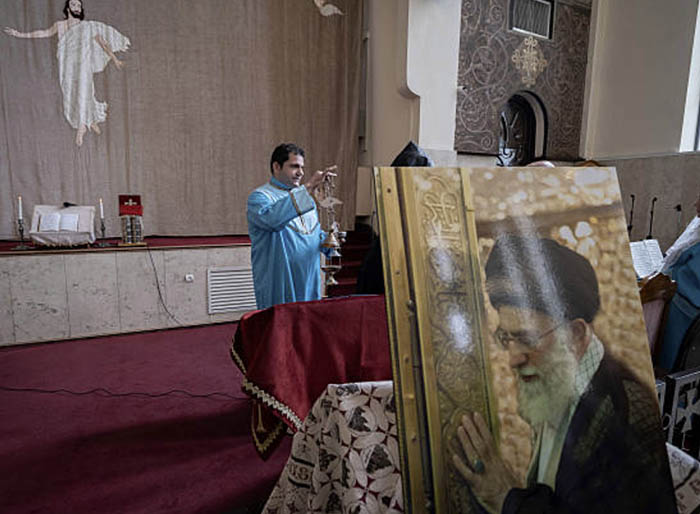
Prayer Ceremony for Late Supreme Leader Ali Khamenei, The bloodthirsty dictator Amid Ceasefire Tensions
Introduction The death of Ali Khamenei on April 8, 2026, has sent shockwaves across Iran and the wider Middle East, … Continue reading ➝
Israeli-American Strikes in Tehran 2026: Synagogue Destroyed Amid Escalating War
Introduction The ongoing conflict between Iran, Israel, and the United States has reached a devastating new chapter. On April 7, … Continue reading ➝