Pavel Durov: Telegram Founder’s Shocking Revelation of Fathering 100 Children
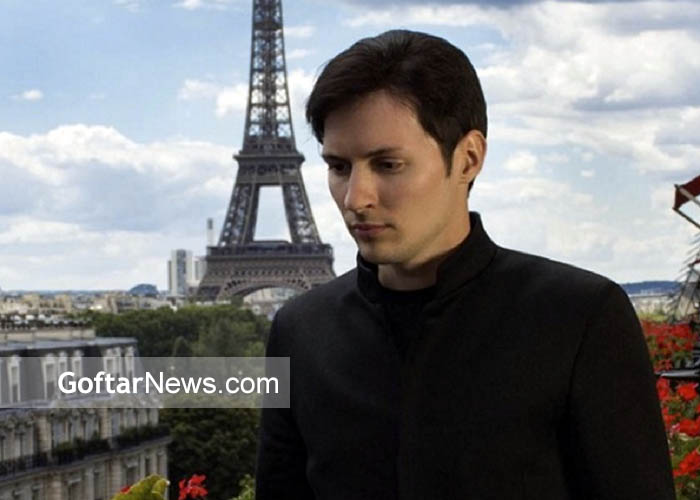
Pavel Durov’s decision to donate sperm, leading to the birth of over 100 children, is a striking example of how one individual’s actions can ripple across the lives of many. This choice, while deeply personal, has broader implications that extend into discussions about modern parenthood, the ethics of sperm donation, and the responsibilities that come with creating life.
Pavel Durov has always been known for his unconventional approach to life and business. His decision to donate sperm over a decade ago, at the request of friends facing fertility challenges, was initially a private act of generosity. However, learning that he now has 100 biological children in 12 different countries adds an unexpected chapter to his story. For Durov, this discovery seems to be a source of pride rather than a burden, aligning with his belief in helping others and contributing to society in meaningful ways.
This revelation brings to light the often-overlooked impact of sperm donation. For many, the idea of fathering children they may never meet can be difficult to grasp. Yet, Pavel Durov has embraced this reality, even going so far as to consider making his DNA accessible so that these children can find each other. This decision could revolutionize the way sperm donation is perceived, turning what is often seen as a purely medical procedure into something more akin to a community-building effort.
By encouraging other healthy individuals to donate sperm, Pavel Durov is advocating for a future where families struggling with infertility have more options. He’s promoting the idea that being a sperm donor isn’t just about biology—it’s about making a profound impact on the lives of families who might otherwise not be able to conceive. Durov’s story may inspire more people to consider sperm donation, not just as a scientific contribution, but as a way to give the gift of life.
However, Durov’s story also raises important questions about the responsibilities that come with such a decision. With over 100 children potentially seeking to know their biological origins, how does a donor balance privacy with the desire for connection? Pavel Durov seems to be navigating this terrain by offering his DNA, suggesting that he believes in the importance of these children knowing where they come from. This approach could lead to a new understanding of donor-conceived families, where biological ties are acknowledged and respected.
More stories
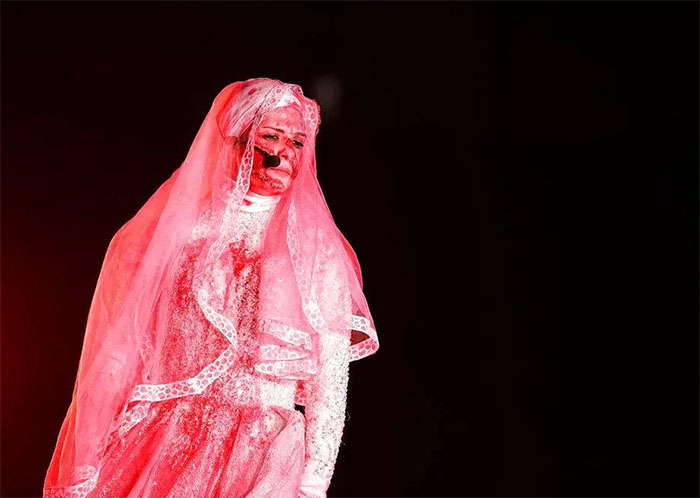
An Unusual Wedding Ceremony in Tehran Becomes a Memorial for the Victims of the Kohestak, Sirik Tragedy
Introduction The streets of Tehran have become the setting for an unusual and emotionally charged public event: a wedding-themed installation … Continue reading ➝
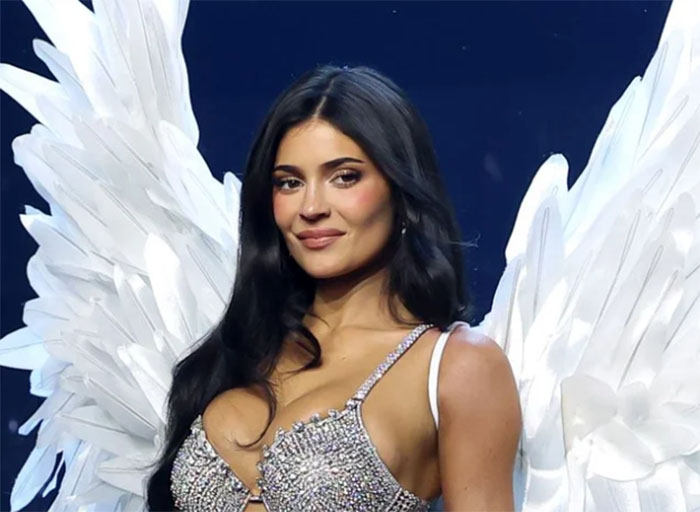
Kylie Jenner Makes Victoria’s Secret Fashion Show Debut in $50 Million Fantasy Bra
Introduction Babak Takhti is an Iranian writer, publisher and the only son of Gholamreza Takhti, the legendary Iranian freestyle wrestler … Continue reading ➝
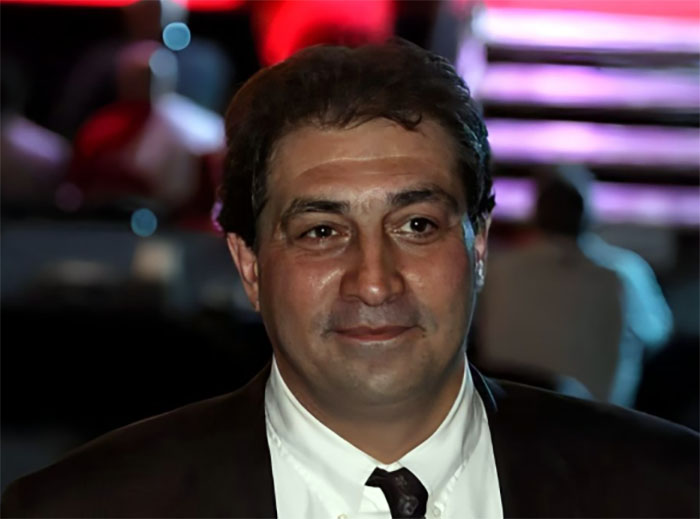
Who Is Babak Takhti? Gholamreza Takhti’s Only Son, His Family, Career, and His Father’s Controversial Death
Introduction Babak Takhti is an Iranian writer, publisher and the only son of Gholamreza Takhti, the legendary Iranian freestyle wrestler … Continue reading ➝
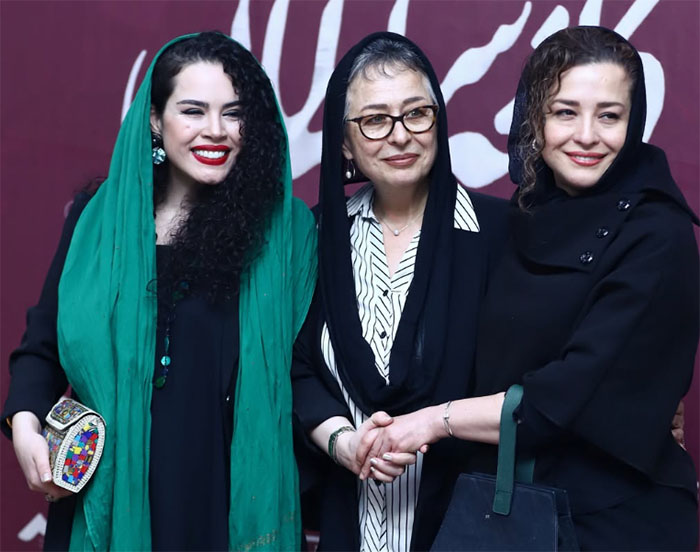
Azita Hajian, Mehraveh Sharifinia and Melika Sharifinia Attend Cafe Soltan Private Screening at Megamall Cinema
Introduction The private screening of Cafe Soltan, the Iranian feature film directed by Mostafa Razagh-Karimi and produced by Morteza Razagh-Karimi, … Continue reading ➝
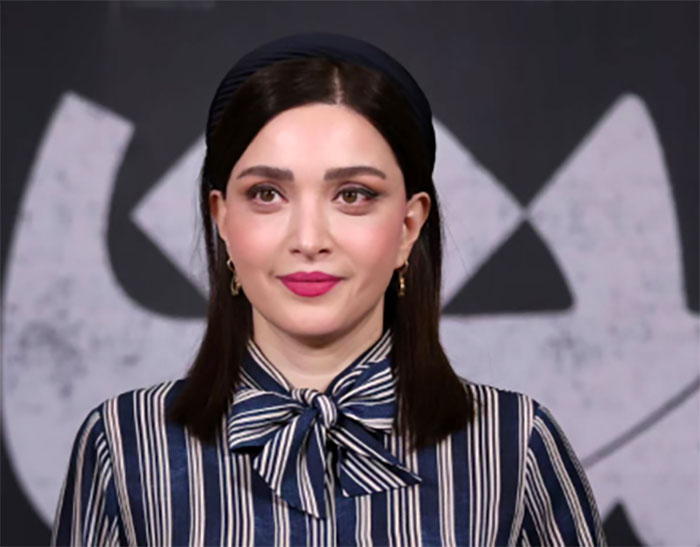
Bot (Bet) Movie: Hamid Nematollah’s Drama Holds Private Screening at Galleria Cinema Complex
Introduction The Iranian social drama Bot, also transliterated as Bet and associated with the English title Idol, has attracted attention … Continue reading ➝