Night Gatherings in Tehran During Wartime in Vanak and the Transformation of Urban Space
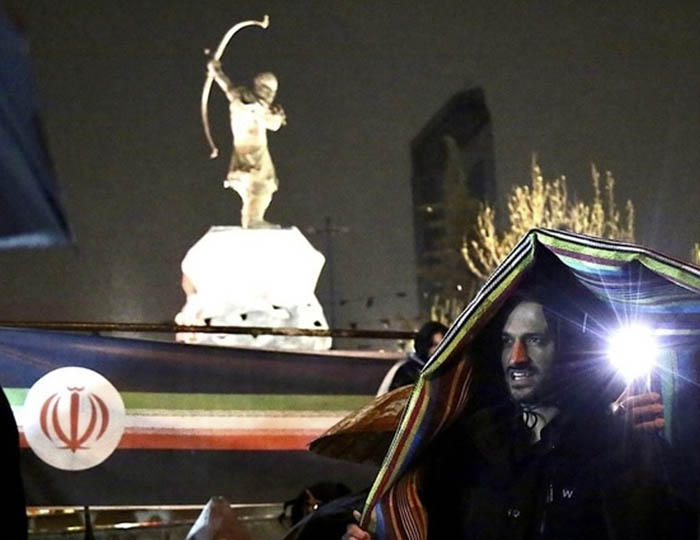
As this continuity extends across longer stretches of time, the meaning of nighttime gatherings in Tehran—especially in districts like Vanak—begins to shift from immediate reaction to embedded urban behavior. What may initially emerge as a response to wartime uncertainty gradually integrates into the rhythms of everyday life, creating a hybrid form of presence that is neither entirely routine nor entirely exceptional. This blending of the ordinary and the extraordinary is one of the defining characteristics of cities under prolonged pressure, where adaptation becomes not just a strategy but a condition of existence.
In Vanak, the layering of daily life with wartime awareness produces a distinct spatial consciousness. Individuals moving through the area at night are often attuned to subtle cues: the of passing cars, the density of pedestrians at certain corners, the in lighting or sound that might indicate shifts in the environment. These observations are rarely articulated explicitly, yet they form part of a shared understanding that shapes how people behave in public space. The result is a, an unspoken coordination that allows gatherings to persist without the need for overt organization.
The concept of visibility remains central to this process, but it evolves over time. Rather than simply being about whether one is seen or unseen, visibility becomes relational, dependent on context and perspective. A group standing at the edge of Vanak Square may appear highly visible from one angle while blending into the of movement from another. This fluidity allows individuals to calibrate their level of participation, choosing when to engage more openly and when to recede into the background. Such flexibility is essential in maintaining the of gatherings under conditions where certainty is limited.
March 29, 2026 | 7:36 pmMore stories

Kylie Jenner Makes Victoria’s Secret Fashion Show Debut in $50 Million Fantasy Bra
Introduction Babak Takhti is an Iranian writer, publisher and the only son of Gholamreza Takhti, the legendary Iranian freestyle wrestler … Continue reading ➝
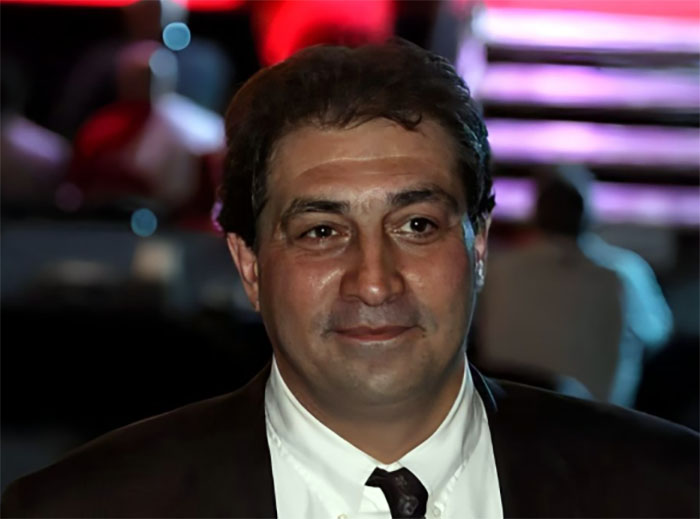
Who Is Babak Takhti? Gholamreza Takhti’s Only Son, His Family, Career, and His Father’s Controversial Death
Introduction Babak Takhti is an Iranian writer, publisher and the only son of Gholamreza Takhti, the legendary Iranian freestyle wrestler … Continue reading ➝
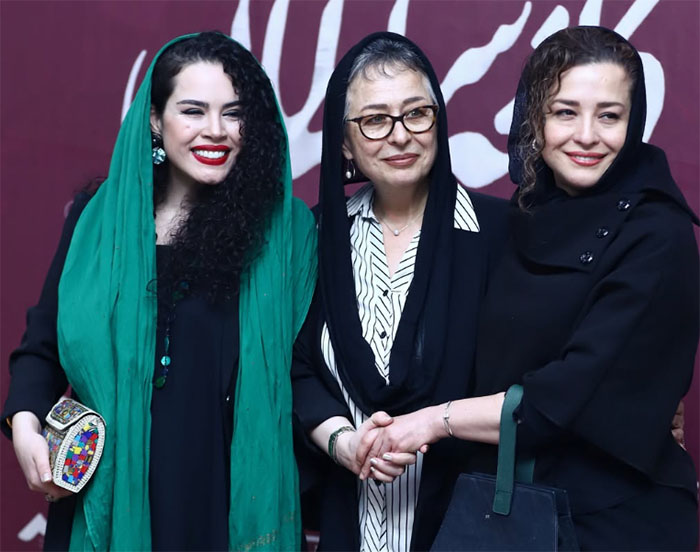
Azita Hajian, Mehraveh Sharifinia and Melika Sharifinia Attend Cafe Soltan Private Screening at Megamall Cinema
Introduction The private screening of Cafe Soltan, the Iranian feature film directed by Mostafa Razagh-Karimi and produced by Morteza Razagh-Karimi, … Continue reading ➝

Bot (Bet) Movie: Hamid Nematollah’s Drama Holds Private Screening at Galleria Cinema Complex
Introduction The Iranian social drama Bot, also transliterated as Bet and associated with the English title Idol, has attracted attention … Continue reading ➝
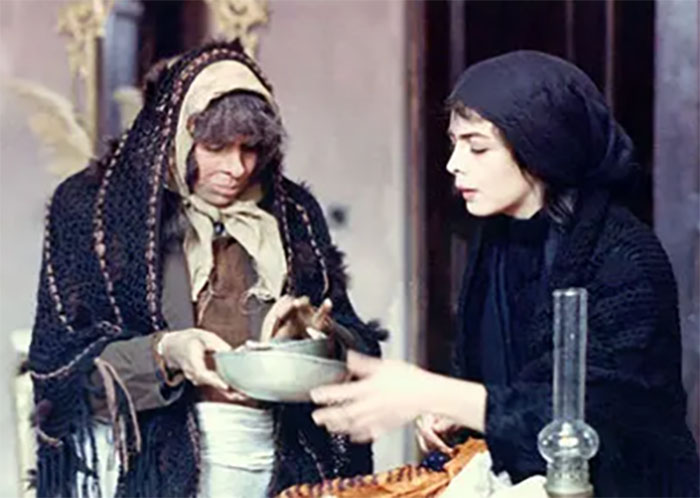
10 Fascinating Stories About Most Famous Actresses: Behind-the-Scenes Secrets From Iconic Films and TV Shows
Introduction 1. Gohar Kheirandish in Banoo: The Makeup That Could Not Hide Her Beauty Film: Banoo (The Lady) Director: Dariush … Continue reading ➝