The First Seconds of Occupation: Niavaran Palace Under the Shadow of Revolution
The Opening Moments: The First Sight of Occupation
At the precise instant the revolutionary forces entered Niavaran Palace, the first impressions were marked by a paradoxical blend of awe and defiance. The invaders, many of whom had been part of the revolutionary movement for months, approached the palace with a mixture of purpose and cautious curiosity.
The Gilded Telephones: Symbols of Power
The first objects that caught the eye were the shimmering gold telephones—symbols of imperial command and communication. These ornate devices, placed meticulously on the Shah’s desk, represented the authority that once dictated Iran’s destiny. As the revolutionaries stepped into the opulent chambers, they paused briefly—an acknowledgment of the symbols’ significance.
One revolutionary guard, a young man with a mixture of resolve and nostalgia, reached out and grasped one of the gold telephones. Its polished surface reflected his uncertain face, a stark contrast to the grandeur it once embodied. The act was symbolic: power, once centralized in these phones, was now being challenged, redefined, or dismantled.
Portraits of Farah Diba: From Royal Elegance to Revolutionary Memory
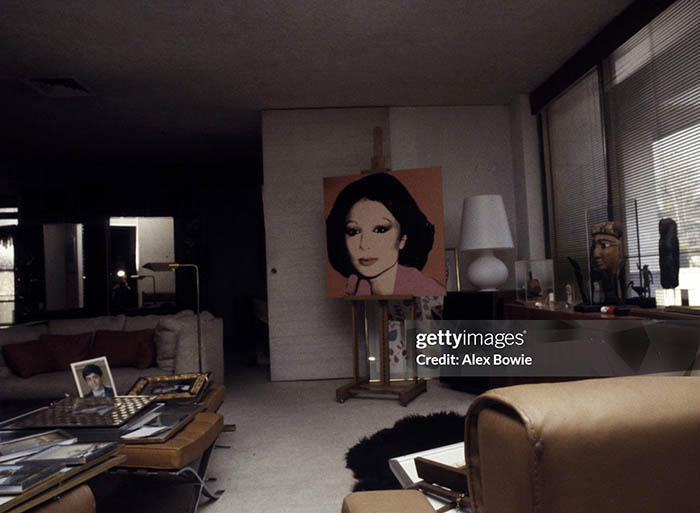
Adjacent to the desk, the portraits of Empress Farah Pahlavi hung prominently. Among them was Andy Warhol’s iconic screen print of Farah Diba—an image that had once adorned galleries and private collections worldwide. Now, it served as a haunting reminder of the imperial past, a stark contrast to the revolutionary fervor.
The portrait, with its vivid colors and stark lines, seemed to watch over the scene—an outsider observing the fall of an empire. Those present in the palace, whether loyalists or revolutionaries, couldn’t ignore the layered symbolism: a modern artist’s interpretation of a royal figure, now an artifact of history.
September 26, 2025 | 4:00 pm