Nadereh Rezaei’s Dismissal: From the 97 Million NIS Paycheck to the Reaction to the Cancellation of Homayoun Shajarian’s Concert
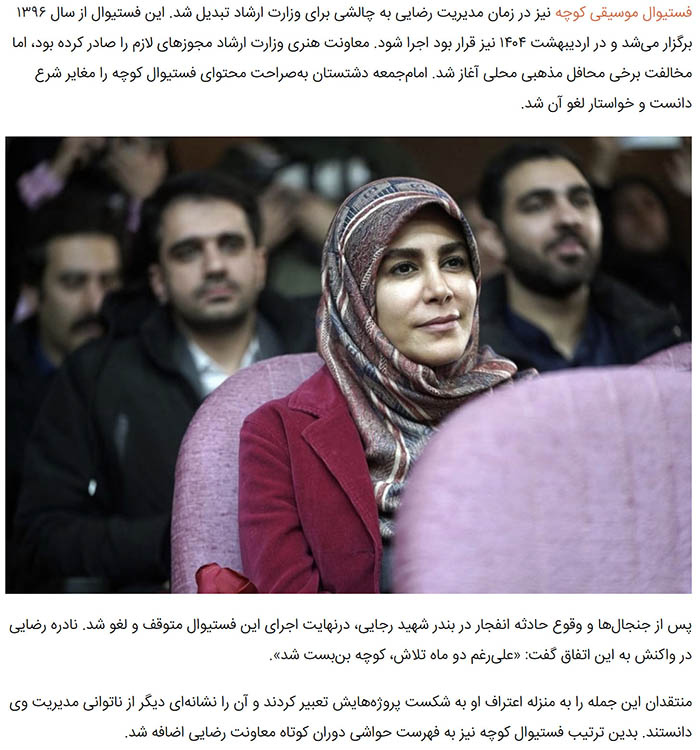
Art, Expression, and State Control
Rezaei’s tenure was characterized by attempts to liberalize Iran’s cultural scene, but these efforts often clashed with conservative institutions like the Islamic Revolutionary Guard Corps and religious authorities. Her efforts to promote music festivals, artistic exhibitions, and cultural events faced constant pushback.
The controversy surrounding the Kocheh music festival exemplified how cultural initiatives could become flashpoints for ideological battles. The festival was seen by religious conservatives as promoting un-Islamic values, leading to its cancellation and fueling debates on artistic freedom versus religious morality.
The Role of Women in Iran’s Governance
Rezaei’s appointment was a historic milestone, but her subsequent dismissal highlighted the persistent gender barriers in Iranian politics. Despite her groundbreaking role, her management style and controversial decisions made her vulnerable to conservative backlash.
Her experience underscores the challenges faced by women leaders in Iran, where gender equality efforts often clash with societal and institutional resistance.
The Economic and Social Dimensions
The Salary Scandal: A Reflection of Elite Privilege
The revelation of Rezaei’s 97 million NIS salary was more than just a scandal; it was a mirror reflecting Iran’s deep socio-economic inequalities. Ordinary Iranians faced inflation rates over 50%, unemployment, and rising poverty, making such a salary appear as an emblem of elite privilege and detachment from ground realities.
The public’s outrage was compounded by the perception that government officials were insulated from the economic suffering of the population. This disconnect fueled protests and calls for greater transparency and accountability in public salaries.
Cultural Funding and Resource Allocation
Her tenure also highlighted issues of resource allocation in Iran’s cultural sector. Critics argued that lavish salaries and high-profile festivals diverted funds from essential social needs, raising questions about priorities within the government.
September 9, 2025 | 11:58 amMore stories
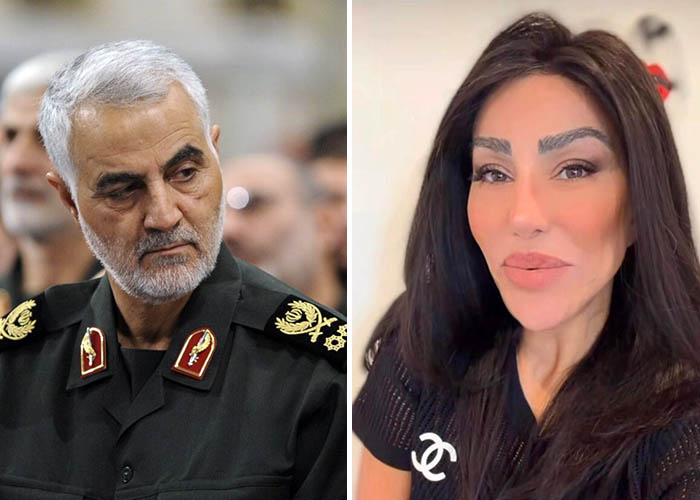
US State Department Arrests Relative of Qassem Soleimani: Immigration Crackdown, National Security Concerns
Introduction The recent announcement by the United States Department of State regarding the arrest and revocation of permanent residency for … Continue reading ➝
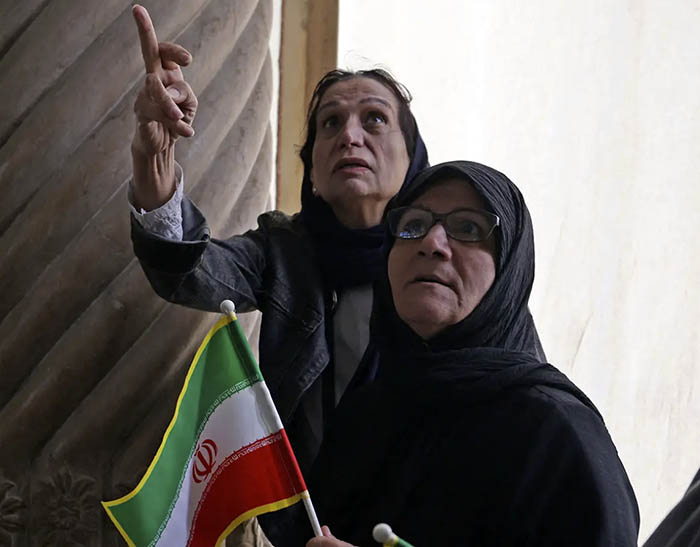
Damage to Golestan Palace Amid Iran–Israel–US Conflict: Cultural Heritage at Risk
Introduction The unfolding Iran–Israel–US conflict in 2026 has not only intensified geopolitical tensions in the Middle East but has also … Continue reading ➝
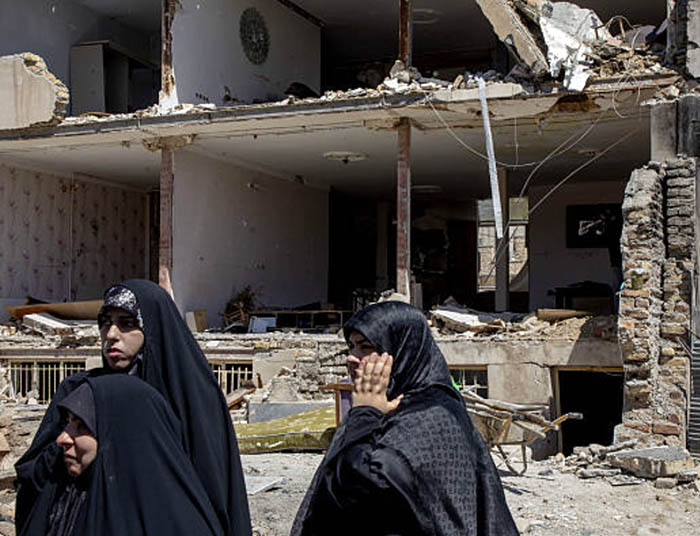
U.S.-Israeli Military Operations: Full Analysis of the 2026 Middle East Conflict
Introduction The escalating conflict involving United States, Israel, and Iran has rapidly evolved into one of the most dangerous geopolitical … Continue reading ➝
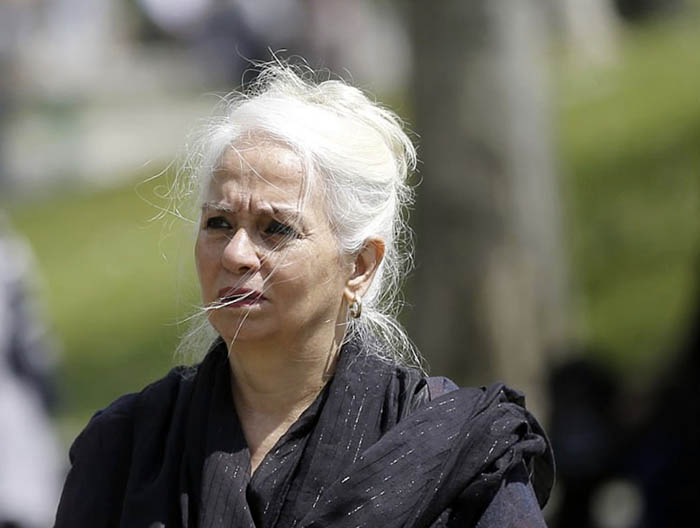
13 Bedar in Tehran: Celebrating Life on the Frontline of War
Introduction In the heart of Tehran, where headlines often speak of geopolitical tension, military escalation, and uncertainty, a different story … Continue reading ➝
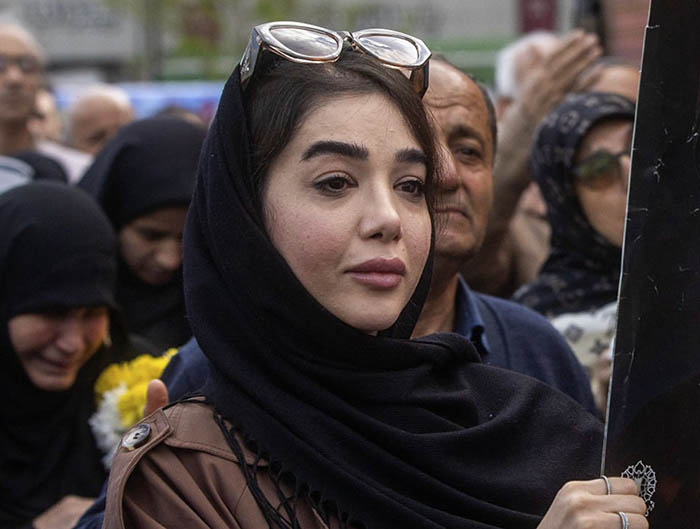
A Mournful Face at Tangsiri’s Funeral: Grief, Power, and Tension in Tehran
Introduction The image of a mournful face at the funeral of Alireza Tangsiri has become one of the most haunting … Continue reading ➝