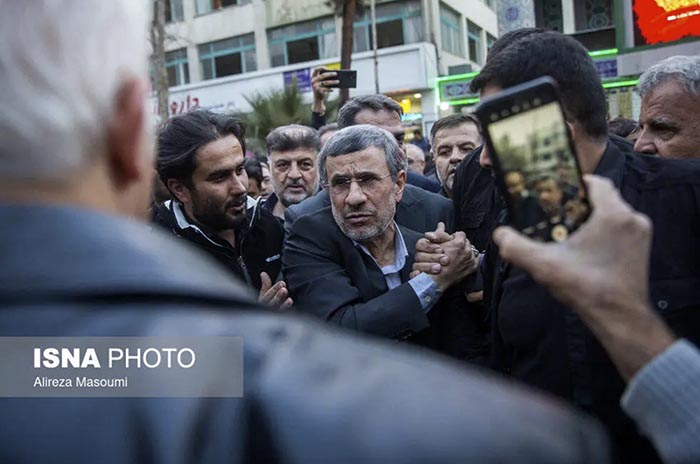
Memorial Ceremony of Zarrin Ahmadinejad: A Detailed Overview of the Funeral of Mahmoud Ahmadinejad’s Sister
The Role of Religious and Cultural Traditions in Iranian Funerals
Islamic Funeral Customs in Iran
In Iran, Islamic funeral rites are deeply rooted in religious teachings and cultural practices. The funeral of Zarrin Ahmadinejad exemplified these traditions, emphasizing the importance of faith, community, and respect for the departed.
Key elements of Iranian Islamic funerals include:
- Ghusl (Washing): The body is washed and shrouded in white cloth, symbolizing purity.
- Kafan (Shroud): The deceased is wrapped in a simple white shroud, reflecting humility.
- Salat al-Janazah (Funeral Prayer): A collective prayer performed to seek mercy from Allah.
- Dua and Recitations: Recitations of Quranic verses and supplications for the soul’s peace.
- Burial: The body is buried facing Qibla (the direction of Mecca), with a focus on simplicity and humility.
Significance of Mourning Rituals in Persian Culture
Beyond religious rites, Persian cultural traditions play a vital role in funerals. Mourning often includes poetry recitations, especially from classical Persian poets like Hafez and Rumi, expressing grief and hope for the afterlife.
Common mourning customs include:
- Reciting elegies (eulogies) to honor the deceased.
- Holding gatherings where family and community share stories and memories.
- Displaying symbolic items such as candles, flowers, and photographs.
Mourning Periods and Cultural Practices
In Iran, mourning periods can extend from three days to forty days or more, with specific rituals performed at each stage. The funeral of Zarrin Ahmadinejad was a central event in this mourning cycle, serving as an opportunity for collective grief and solidarity.
November 18, 2025 | 7:09 pmMore stories
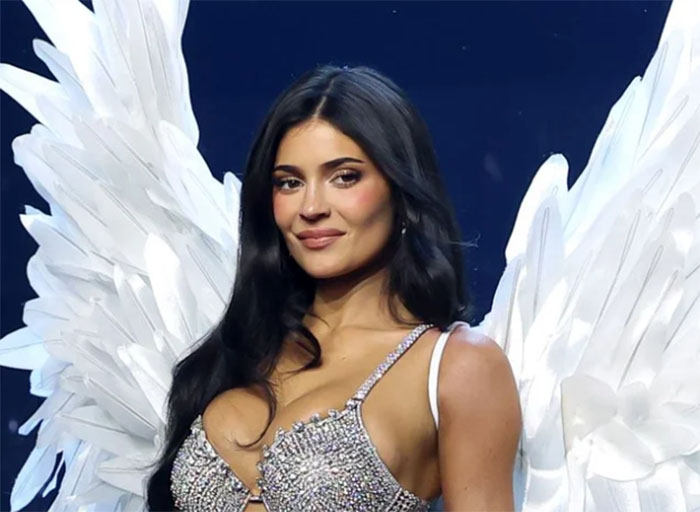
Kylie Jenner Makes Victoria’s Secret Fashion Show Debut in $50 Million Fantasy Bra
Introduction Babak Takhti is an Iranian writer, publisher and the only son of Gholamreza Takhti, the legendary Iranian freestyle wrestler … Continue reading ➝
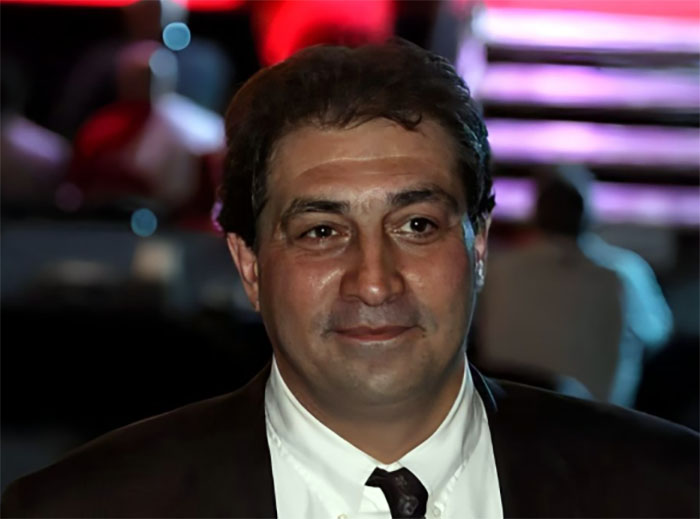
Who Is Babak Takhti? Gholamreza Takhti’s Only Son, His Family, Career, and His Father’s Controversial Death
Introduction Babak Takhti is an Iranian writer, publisher and the only son of Gholamreza Takhti, the legendary Iranian freestyle wrestler … Continue reading ➝
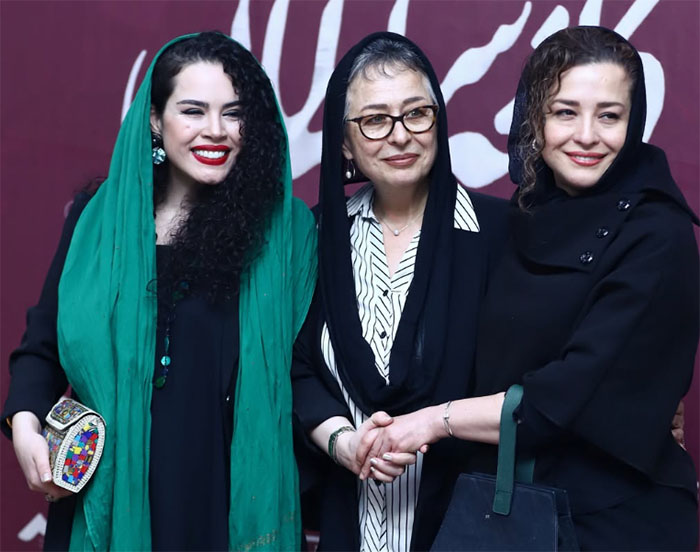
Azita Hajian, Mehraveh Sharifinia and Melika Sharifinia Attend Cafe Soltan Private Screening at Megamall Cinema
Introduction The private screening of Cafe Soltan, the Iranian feature film directed by Mostafa Razagh-Karimi and produced by Morteza Razagh-Karimi, … Continue reading ➝

Bot (Bet) Movie: Hamid Nematollah’s Drama Holds Private Screening at Galleria Cinema Complex
Introduction The Iranian social drama Bot, also transliterated as Bet and associated with the English title Idol, has attracted attention … Continue reading ➝
10 Fascinating Stories About Most Famous Actresses: Behind-the-Scenes Secrets From Iconic Films and TV Shows
Introduction 1. Gohar Kheirandish in Banoo: The Makeup That Could Not Hide Her Beauty Film: Banoo (The Lady) Director: Dariush … Continue reading ➝