9 Reasons Why Mehri Talebi Darestani’s “Hijab Addiction Clinic” Idea is Controversial and Anti-Freedom
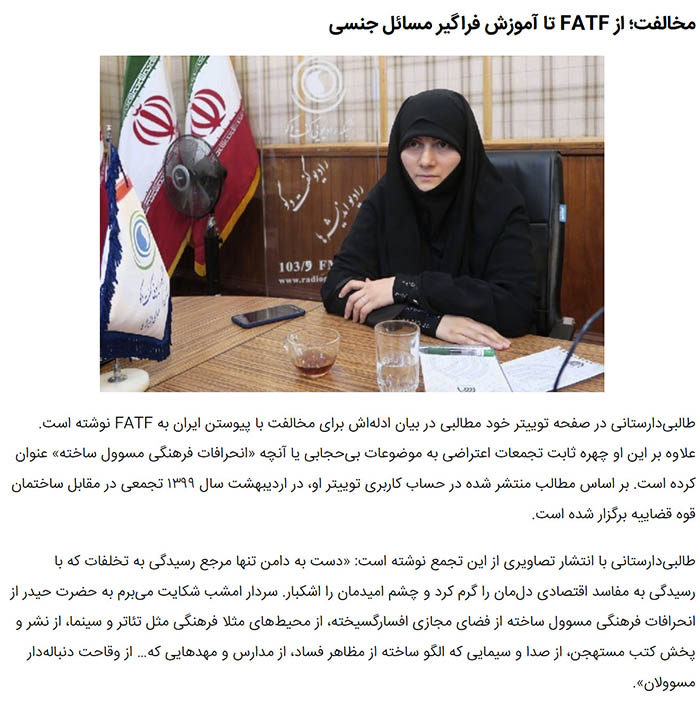
6. Turning a Symbol of Faith into a Tool of Compulsion
One of the most profound criticisms of Darestani’s “Hijab Addiction Clinic” is how it transforms the hijab from a personal, faith-driven choice into a coerced and politicized symbol. Many women choose to wear the hijab as an expression of personal devotion and cultural identity, embracing it voluntarily as a meaningful symbol. However, the notion of “rehabilitating” women who choose otherwise removes this agency, recasting the hijab not as an article of faith but as a mandatory instrument of state control.
When any symbol of personal belief is forced upon individuals, it risks losing its inherent value. Forcing the hijab onto those who do not want it not only violates their rights but also disregards the choice of those who do wear it willingly. This reduction of the hijab to a state-enforced uniform strips it of the personal connection many have with it and replaces that connection with resentment. For the women who see the hijab as a choice, turning it into a compulsory item undermines its beauty and meaning.
Despite the intensifying pressure to conform, many people in Iran and other parts of the world are standing firm in their commitment to personal choice. The widespread criticism of Darestani’s clinic proposal reflects a growing movement that values individual rights and the freedom to define one’s own identity. These voices, which include both men and women across generations, underscore that no amount of state coercion can fully extinguish the desire for autonomy.
The reaction to Darestani’s proposal has sparked discussions, online and offline, about the importance of respecting personal beliefs and choices. Iranian citizens, like many others, are increasingly voicing their disapproval of authoritarian policies that limit their freedom. This backlash highlights the resilience of personal choice and the lengths to which people will go to protect their autonomy, even when faced with restrictive policies. As global awareness and interconnectedness continue to grow, so too does the collective understanding that personal freedom is a fundamental human right, not a privilege to be selectively granted or taken away.
More stories
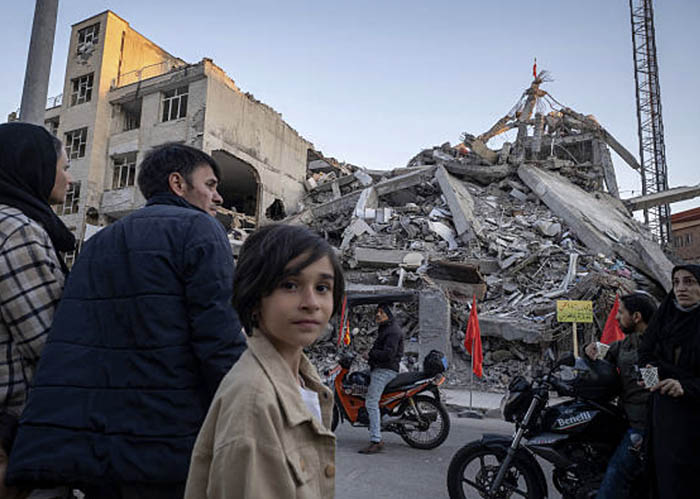
The Islamic Republic’s Instrumental Misuse of War Ruins: Propaganda
Introduction In the aftermath of the March 9 military strikes attributed to joint U.S.-Israeli operations, parts of residential Tehran were … Continue reading ➝
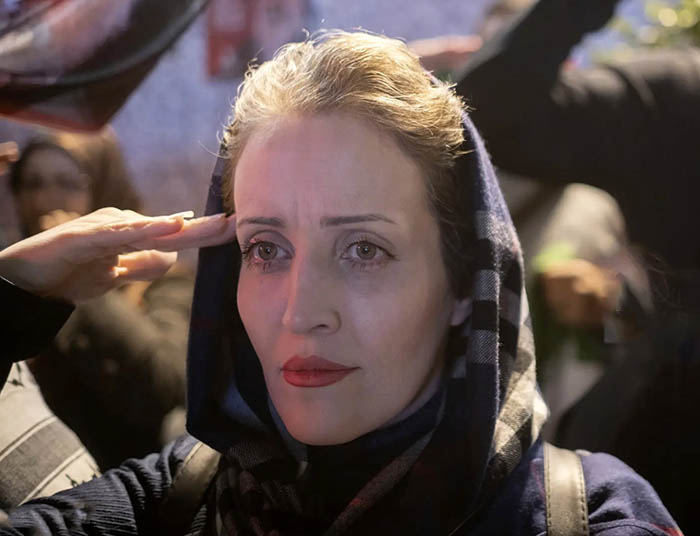
Iran Funeral Ceremony 2026: Rising Tensions After Killing of IRGC Intelligence Chief Majid Khademi
Introduction The funeral ceremony of Majid Khademi, the head of the Islamic Revolutionary Guard Corps (IRGC) Intelligence Organization, has become … Continue reading ➝
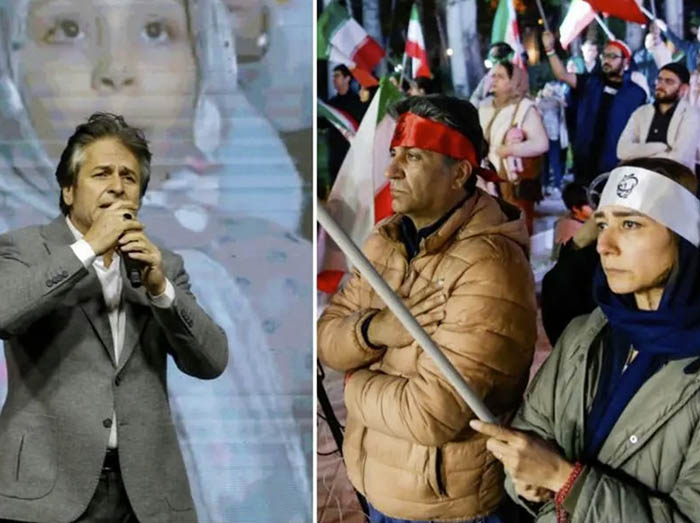
Tajik and Zanko Street Concert in Ferdows Garden: A Powerful Musical Tribute
Introduction On the evening of Tuesday, 18 Farvardin 1405, Ferdows Garden became the heart of an unforgettable cultural moment in … Continue reading ➝
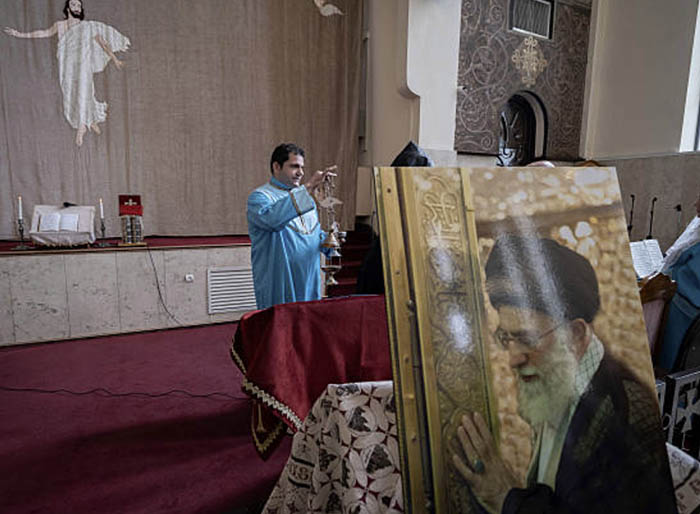
Prayer Ceremony for Late Supreme Leader Ali Khamenei, The bloodthirsty dictator Amid Ceasefire Tensions
Introduction The death of Ali Khamenei on April 8, 2026, has sent shockwaves across Iran and the wider Middle East, … Continue reading ➝
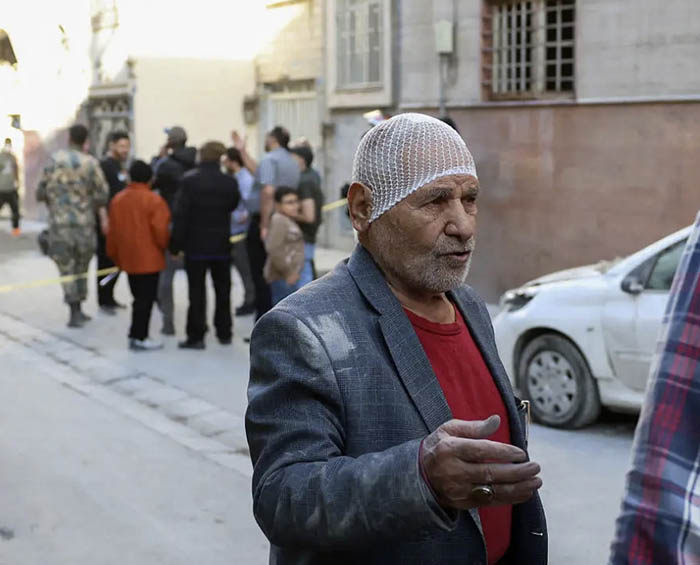
Israeli-American Strikes in Tehran 2026: Synagogue Destroyed Amid Escalating War
Introduction The ongoing conflict between Iran, Israel, and the United States has reached a devastating new chapter. On April 7, … Continue reading ➝