Life in Tehran Amid Rising Iran-US Tensions: Inflation, Economic Crisis and Everyday Life in October 2026
Could renewed conflict affect the cost of living in Tehran?
A wider conflict could affect the cost of living if it disrupts trade, transportation, energy supplies or access to imported goods. The actual impact would depend on the scale and duration of any disruption, the availability of alternative supply routes and government policy responses.
Are people in Tehran continuing their normal daily activities?
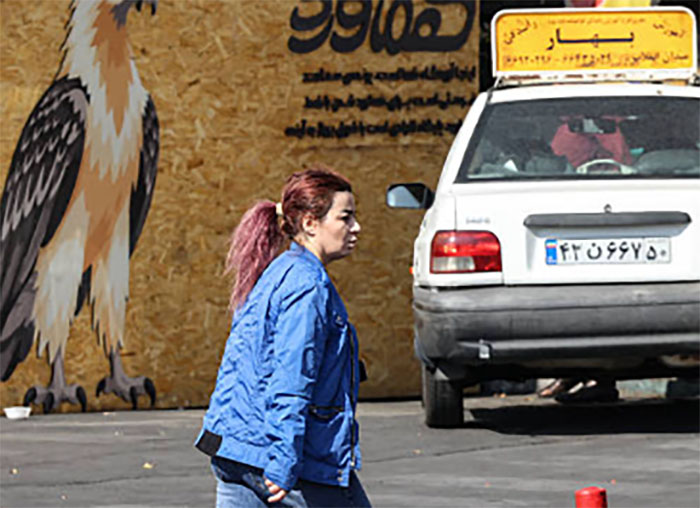
The supplied photographs show people commuting, walking, studying and performing music in public spaces. These images document ordinary activities continuing during a period of uncertainty, but they cannot establish how all residents experience the situation.
What is the economic outlook for Iran in late 2026?
The outlook depends on inflation, currency stability, trade conditions, domestic economic policy and regional security. Reduced tensions could improve predictability, while continued uncertainty or renewed escalation could create additional challenges. Reliable current data is needed to assess the relative likelihood of different outcomes.
Conclusion: Tehran Navigates Economic Pressure and Regional Uncertainty
Life in Tehran in October 2026 reflects the intersection of everyday urban activity, economic uncertainty and wider geopolitical tensions.
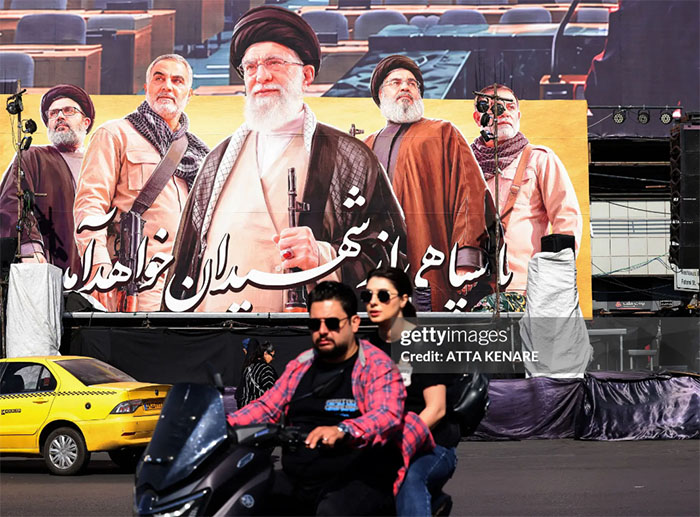
Photographs taken on October 26 and 27 show commuters traveling through traffic, students walking together, musicians performing on sidewalks and residents passing political banners displayed in public spaces.
These scenes provide a snapshot of the Iranian capital during a period when inflation, currency fluctuations and concerns about regional security are prominent in the supplied reporting.
The reported year-on-year inflation rate of nearly 90 percent in September highlights the potential scale of the cost-of-living challenge. For households, the consequences may include reduced purchasing power, difficult budgeting decisions and less flexibility to manage unexpected expenses.
For businesses, the combination of rising costs and uncertainty can complicate investment, supply planning and employment decisions.
At the regional level, reported security discussions involving Saudi Arabia, Turkey and Pakistan underscore the interest of neighboring and nearby powers in preventing a wider confrontation.
The future trajectory remains uncertain. Diplomatic engagement may help reduce risks, but the longer-term economic outlook will also depend on domestic policy, trade conditions, financial stability and the broader international environment.
For readers seeking to understand Iran beyond headlines about conflict and diplomacy, the images from Tehran offer a reminder that geopolitical developments ultimately intersect with ordinary life: commuting to work, attending classes, earning an income, managing household expenses and planning for the future.
Editorial note: Before publication, independently verify the reported February 2026 conflict, the claimed blockade of Iranian ports, the September inflation statistic, the October 26 diplomatic meetings and the political chronology concerning Ayatollah Ali Khamenei. Confirm the photo credits, licensing terms and original captions with the relevant image agencies. The supplied captions should be treated as source material, not independent verification of every factual claim.