Life in Tehran Amid Rising Iran-US Tensions: Inflation, Economic Crisis and Everyday Life in October 2026
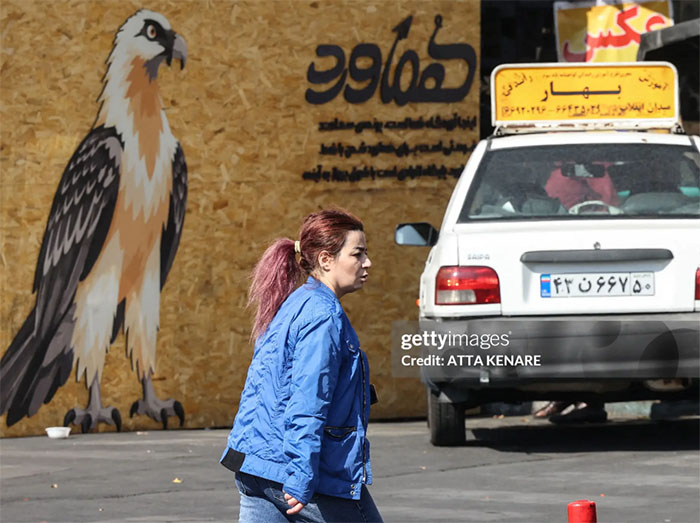
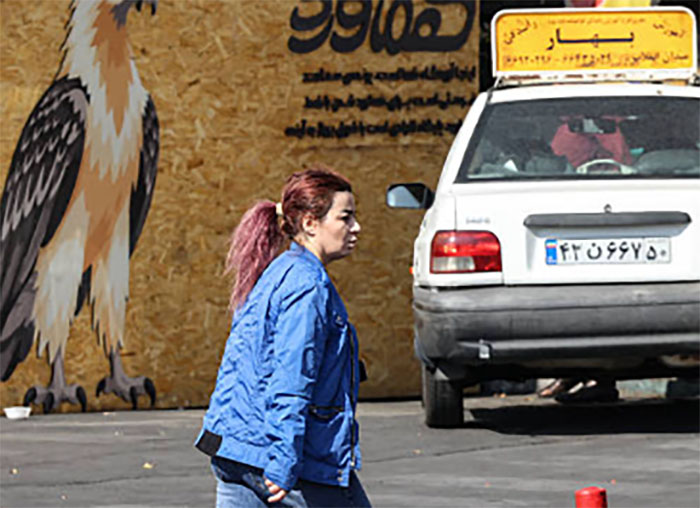
Daily life in Tehran continues against a backdrop of economic uncertainty, rising living costs and renewed geopolitical tensions involving Iran, the United States and Israel. Images captured across the Iranian capital on October 26 and 27 show commuters traveling through busy streets, students walking together, street musicians performing on sidewalks and residents passing political banners displayed in public spaces.
The scenes offer a glimpse into the everyday realities of life in Tehran as Iranian households contend with inflation, currency fluctuations and concerns about the country’s political and economic future.
Iran’s economy has faced years of international sanctions and structural challenges. The conflict that reportedly began in February 2026 with US-Israeli attacks, alongside a US blockade of Iranian ports described in the supplied reporting, has added further pressure to an already difficult economic environment.
Official figures cited in the reporting put year-on-year inflation at nearly 90 percent in September. If sustained, inflation at that level would significantly reduce purchasing power, making essential goods, transportation, housing and other daily expenses increasingly difficult to afford.
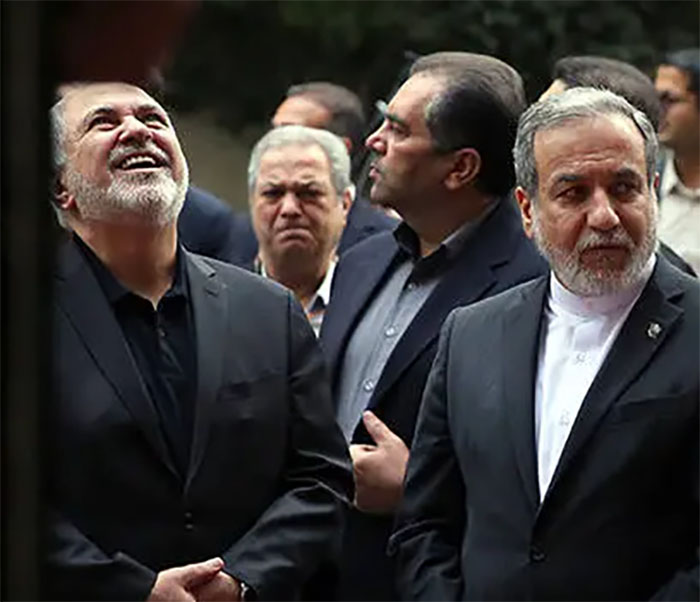
At the same time, regional diplomatic activity has intensified. Saudi Arabia, Turkey and Pakistan reportedly sent senior security officials to Iran for talks on October 26, amid concerns that a renewed US-Israeli offensive could further destabilize the Middle East.
For residents of Tehran, these developments are not simply matters of international diplomacy. They form part of a broader atmosphere of uncertainty affecting household budgets, employment prospects, consumer confidence and expectations for the months ahead.
Tehran Street Life Reflects the Pressure of Economic Uncertainty
Photographs taken in Tehran on October 26 reveal a capital where ordinary activities continue alongside visible reminders of the country’s political circumstances.
Commuters ride scooters past large billboards, pedestrians cross busy intersections, young musicians perform in public spaces and students walk along sidewalks in northern Tehran. Other images show women passing anti-US banners as political messaging remains prominent in parts of the city.
Together, the scenes illustrate the contrast between the ordinary rhythms of urban life and the extraordinary pressures facing Iran.
Tehran is the country’s largest urban center and a major hub for government institutions, commerce, education, transportation and employment. Economic developments affecting Iran are particularly visible in the capital, where residents must navigate the costs of housing, food, transportation, education and other necessities.
However, the experience of economic hardship varies considerably between households. Income, employment stability, access to savings, housing arrangements and family support all influence how individuals respond to rising prices.
For some residents, the immediate challenge is managing weekly grocery purchases. For others, it is paying rent, covering transportation expenses, maintaining a small business or preserving savings against currency depreciation.
The combination of economic pressure and geopolitical uncertainty can also influence longer-term decisions. Families may postpone major purchases, businesses may delay investment, and young people may reconsider their education or employment plans.
Although photographs cannot establish how every Iranian household is experiencing the crisis, they provide a visual record of everyday activity in a city navigating significant economic and political challenges.
October 27, 2026 | 7:13 pm