Israel vs Iran Military Power 2025: A Strategic Analysis Amid Rising Middle East Tensions
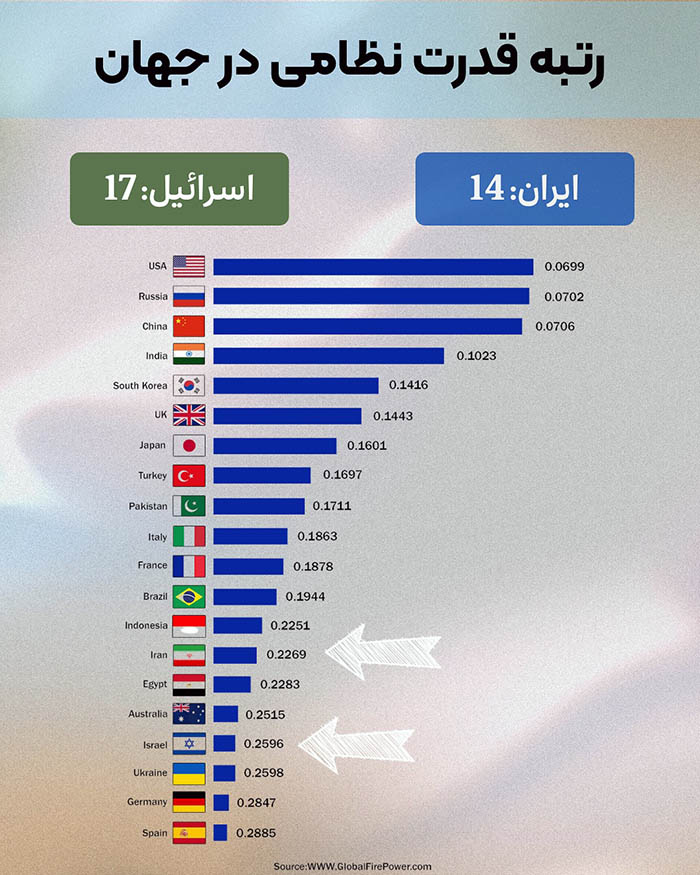
Strategic Implications and Regional Stability in 2025
The ongoing military rivalry between Israel and Iran in 2025 has profound implications for regional stability, international security, and global energy markets. As tensions escalate, the risk of miscalculation, accidental conflict, or full-scale war increases, with cascading effects on neighboring countries, global markets, and diplomatic relations.
The Risk of Full-Scale War
A full-scale military confrontation between Israel and Iran could involve multiple domains:
- Conventional Warfare: Large-scale ground and air battles, potentially involving Iranian conventional forces and Israel’s advanced air and missile defenses.
- Proxy Warfare: Intensified missile, drone, and guerrilla attacks from Iran-backed groups such as Hezbollah, Hamas, and Houthis.
- Nuclear Escalation: Although Iran’s nuclear capability remains ambiguous, any move toward weaponization could trigger preemptive Israeli strikes or regional nuclear escalation.
- Cyber Warfare: Cyberattacks targeting critical infrastructure, financial systems, and military networks could destabilize entire economies and governments.
International Involvement and Diplomatic Efforts
Despite the rising tensions, diplomatic channels continue to seek de-escalation:
- U.S. Role: The United States aims to prevent regional escalation by supporting Israel’s defense and seeking negotiations with Iran over its nuclear program.
- European and Arab States: Some regional actors advocate for diplomatic solutions, fearing the destabilization of the Middle East and disruption of global energy supplies.
- United Nations: Calls for restraint, inspections, and negotiations to prevent conflict escalation.
Economic and Energy Market Impact
Any conflict involving Israel and Iran could severely impact global energy markets:
- Oil Prices: Likely to spike due to fears of disruptions in the Strait of Hormuz, a critical chokepoint for global oil shipments.
- Regional Economies: Countries like Saudi Arabia, the UAE, and Qatar could become embroiled in proxy conflicts or face spillover violence.
- Global Economy: Increased energy prices and geopolitical instability could lead to inflation, recession risks, and supply chain disruptions worldwide.
More stories

Kylie Jenner Makes Victoria’s Secret Fashion Show Debut in $50 Million Fantasy Bra
Introduction Babak Takhti is an Iranian writer, publisher and the only son of Gholamreza Takhti, the legendary Iranian freestyle wrestler … Continue reading ➝

Who Is Babak Takhti? Gholamreza Takhti’s Only Son, His Family, Career, and His Father’s Controversial Death
Introduction Babak Takhti is an Iranian writer, publisher and the only son of Gholamreza Takhti, the legendary Iranian freestyle wrestler … Continue reading ➝

Azita Hajian, Mehraveh Sharifinia and Melika Sharifinia Attend Cafe Soltan Private Screening at Megamall Cinema
Introduction The private screening of Cafe Soltan, the Iranian feature film directed by Mostafa Razagh-Karimi and produced by Morteza Razagh-Karimi, … Continue reading ➝

Bot (Bet) Movie: Hamid Nematollah’s Drama Holds Private Screening at Galleria Cinema Complex
Introduction The Iranian social drama Bot, also transliterated as Bet and associated with the English title Idol, has attracted attention … Continue reading ➝

10 Fascinating Stories About Most Famous Actresses: Behind-the-Scenes Secrets From Iconic Films and TV Shows
Introduction 1. Gohar Kheirandish in Banoo: The Makeup That Could Not Hide Her Beauty Film: Banoo (The Lady) Director: Dariush … Continue reading ➝