Israel vs Iran Military Power 2025: A Strategic Analysis Amid Rising Middle East Tensions
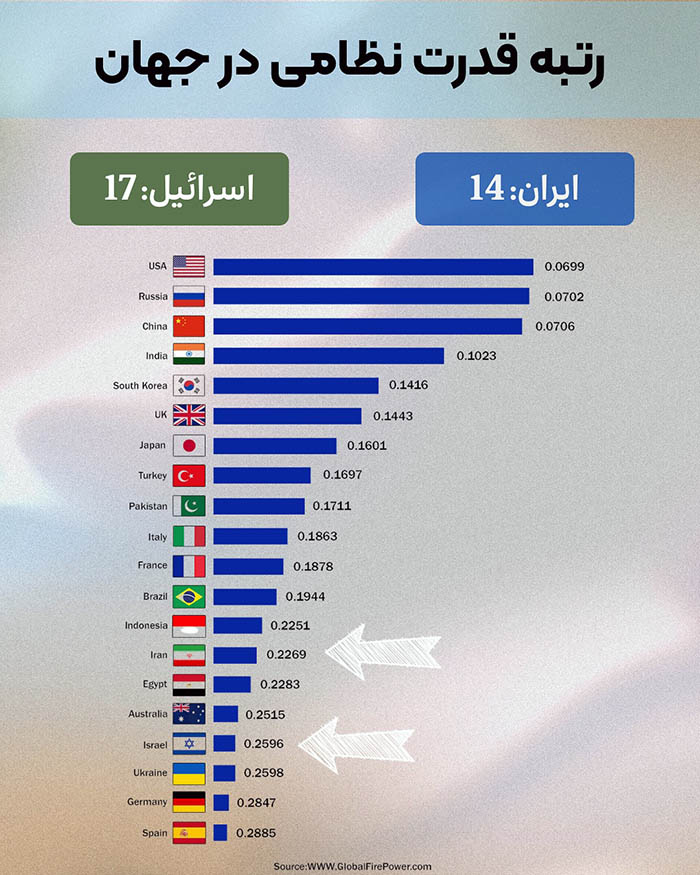
Strategic Implications and Regional Stability in 2025
The ongoing military rivalry between Israel and Iran in 2025 has profound implications for regional stability, international security, and global energy markets. As tensions escalate, the risk of miscalculation, accidental conflict, or full-scale war increases, with cascading effects on neighboring countries, global markets, and diplomatic relations.
The Risk of Full-Scale War
A full-scale military confrontation between Israel and Iran could involve multiple domains:
- Conventional Warfare: Large-scale ground and air battles, potentially involving Iranian conventional forces and Israel’s advanced air and missile defenses.
- Proxy Warfare: Intensified missile, drone, and guerrilla attacks from Iran-backed groups such as Hezbollah, Hamas, and Houthis.
- Nuclear Escalation: Although Iran’s nuclear capability remains ambiguous, any move toward weaponization could trigger preemptive Israeli strikes or regional nuclear escalation.
- Cyber Warfare: Cyberattacks targeting critical infrastructure, financial systems, and military networks could destabilize entire economies and governments.
International Involvement and Diplomatic Efforts
Despite the rising tensions, diplomatic channels continue to seek de-escalation:
- U.S. Role: The United States aims to prevent regional escalation by supporting Israel’s defense and seeking negotiations with Iran over its nuclear program.
- European and Arab States: Some regional actors advocate for diplomatic solutions, fearing the destabilization of the Middle East and disruption of global energy supplies.
- United Nations: Calls for restraint, inspections, and negotiations to prevent conflict escalation.
Economic and Energy Market Impact
Any conflict involving Israel and Iran could severely impact global energy markets:
- Oil Prices: Likely to spike due to fears of disruptions in the Strait of Hormuz, a critical chokepoint for global oil shipments.
- Regional Economies: Countries like Saudi Arabia, the UAE, and Qatar could become embroiled in proxy conflicts or face spillover violence.
- Global Economy: Increased energy prices and geopolitical instability could lead to inflation, recession risks, and supply chain disruptions worldwide.
More stories
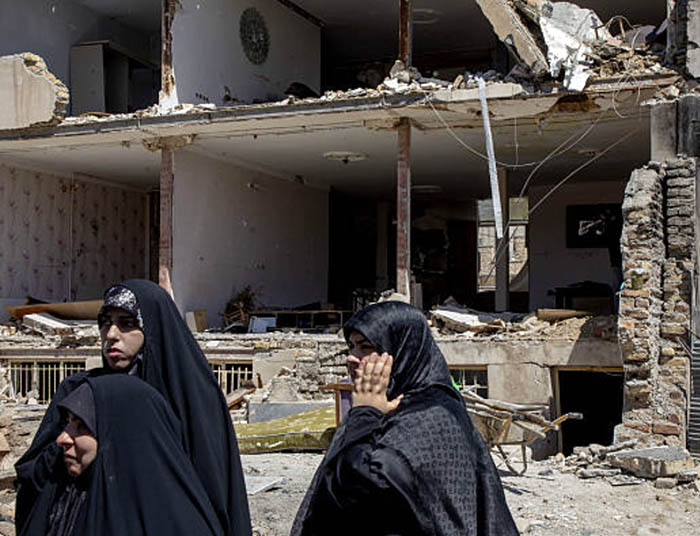
U.S.-Israeli Military Operations: Full Analysis of the 2026 Middle East Conflict
Introduction The escalating conflict involving United States, Israel, and Iran has rapidly evolved into one of the most dangerous geopolitical … Continue reading ➝

13 Bedar in Tehran: Celebrating Life on the Frontline of War
Introduction In the heart of Tehran, where headlines often speak of geopolitical tension, military escalation, and uncertainty, a different story … Continue reading ➝

A Mournful Face at Tangsiri’s Funeral: Grief, Power, and Tension in Tehran
Introduction The image of a mournful face at the funeral of Alireza Tangsiri has become one of the most haunting … Continue reading ➝
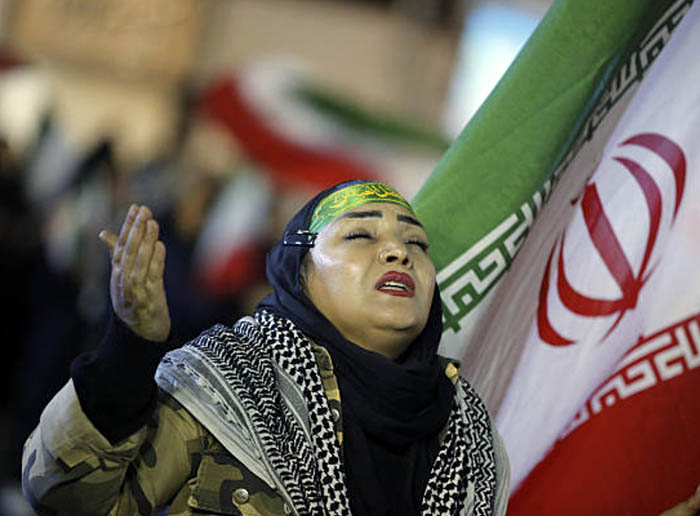
Israeli and U.S. Attacks on Spark Mass Protests in Tehran: Rising Middle East Tensions in 2026
Introduction In a dramatic escalation of tensions in the Middle East, mass protests erupted in Tehran following reports of coordinated … Continue reading ➝
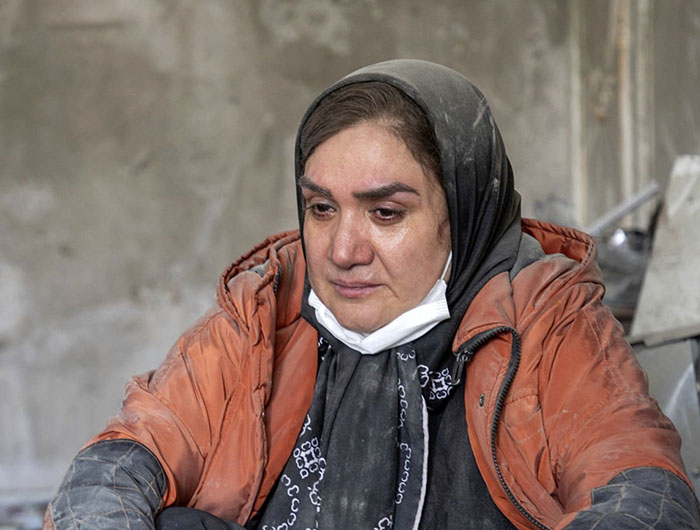
The Sorrow of Destruction in West Tehran: Inside the Human Cost of the War
Introduction The city of Tehran woke to devastation on March 30, 2026. In the western districts of Iran’s capital, residential … Continue reading ➝