Iran-US-Israel War Daily Life 2026: Tensions in Tehran, Strait of Hormuz Crisis, and the Reality of Life Under Geopolitical Pressure
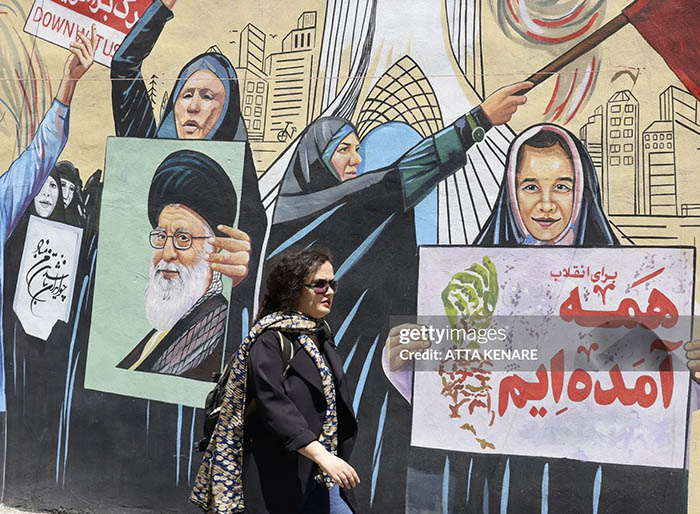
Israel-Iran Conflict: Regional Tensions Intensify
The rivalry between Israel and Iran continues influencing conflicts across the Middle East. Israel considers Iran’s regional influence and nuclear ambitions a direct security threat, while Iran views Israel as a hostile regional actor supported by Western powers.
Proxy Conflicts Across the Middle East
Iran and Israel rarely engage in direct warfare. Instead, they often confront each other through proxy conflicts in countries such as Syria, Lebanon, Iraq, and Yemen.
Groups aligned with Iran, including Hezbollah in Lebanon and various militias across the region, play central roles in the broader geopolitical struggle.
Israel has conducted airstrikes targeting Iranian-linked facilities in Syria and elsewhere, arguing that these operations are necessary to prevent advanced weapons transfers and military expansion.
Cyber Warfare and Intelligence Operations
Beyond conventional military confrontation, Iran and Israel are engaged in sophisticated cyber warfare. Infrastructure systems, nuclear facilities, intelligence networks, and communication systems have all reportedly been targeted over the years.
This digital dimension of conflict has expanded the battlefield beyond physical borders.
Public Opinion and Propaganda
The anti-Israel murals seen in Tehran represent not only government messaging but also a broader ideological narrative promoted by the Iranian leadership.
State-controlled media often portrays Israel as responsible for regional instability, while Israeli officials describe Iran as a major sponsor of militant groups.
This media war shapes public perception across the Middle East and internationally.
May 10, 2026 | 8:13 pm