Iran-US-Israel Conflict Escalation 2025: US Strikes Iranian Nuclear Sites & Global Protest Movements
7. The Future of Iran’s Domestic Politics and Social Movements
Economic Reforms or Further Hardening?
The economic crisis—driven by sanctions, mismanagement, and declining oil revenues—has led to widespread protests and social unrest.
- Reformist Momentum:
A significant economic recovery could open space for reformist policies, including social liberalization and increased engagement with the West. - Hardline Resilience:
Conversely, the regime’s hardliners might respond with repression, further tightening control to maintain theocratic stability.
Social Movements: Youth, Women, and Marginalized Groups
- Youth and Social Media:
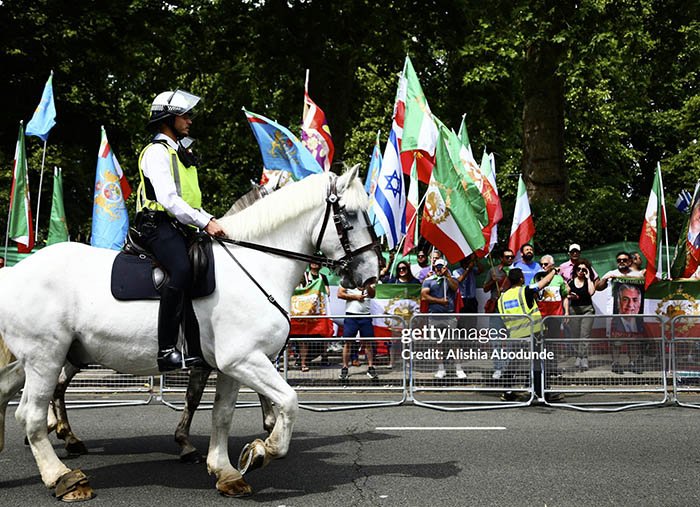
Iran’s youth, connected via social media, are increasingly vocal about demands for personal freedoms, economic opportunities, and social reforms. The 2022 protests, which saw women’s rights as a central theme, foreshadow ongoing social movements. - Women’s Rights:
Although progress has been limited, the younger generation’s push for gender equality could challenge conservative social norms, especially if economic conditions improve. - Marginalized Communities:
Ethnic minorities and lower-income groups are likely to continue demanding better representation and rights, potentially fueling regional and social tensions.
Impact of External Influences on Internal Politics
- Foreign Support and Sanctions:
External powers’ policies—either through sanctions, diplomatic engagement, or covert operations—will shape internal power struggles. - Influence of the US, China, and Russia:
The geopolitical shift towards a multipolar world favors Iran’s strategic alliances with Russia and China, which may support Iran’s sovereignty against Western pressures.
8. Regional Geopolitical Shifts and Iran’s Strategic Ambitions
Iran’s Regional Power Projection
Iran’s ambition to be a regional hegemon is rooted in its revolutionary ideology, strategic interests, and desire for regional influence.
- Proxy Networks:
Iran’s support for groups like Hezbollah in Lebanon, the Houthis in Yemen, and militias in Iraq has expanded its influence but also increased regional instability. - Military Buildup:
Iran’s missile development and potential nuclear capabilities serve as deterrence and bargaining chips, but also heighten fears among neighboring states. - Economic Diplomacy:
With sanctions, Iran seeks to deepen economic ties with China, Russia, and other non-Western partners to bypass restrictions and develop alternative supply chains.
The Gulf States and Iran
- Saudi Arabia and the UAE:
Historically hostile, these Gulf monarchies are wary of Iran’s regional ambitions, especially its nuclear pursuits and influence over proxy groups. - Potential for Diplomatic Engagement:
Although tensions remain high, recent covert talks or back-channel diplomacy could lead to de-escalation, especially if Iran’s internal crises worsen.
The Israel-Iran Dynamic
- Military Confrontations:
The ongoing shadow war, including cyberattacks and covert operations, could escalate into open conflict. - Nuclear Deterrence:
If Iran develops nuclear weapons, Israel’s policy of “nuclear ambiguity” and pre-emptive strikes may become more probable.
China and Russia’s Role
- Strategic Alliances:
Iran’s partnerships with China and Russia provide economic, military, and diplomatic support, counterbalancing Western sanctions. - Global Power Competition:
Iran’s alignment with these powers could reshape Middle Eastern geopolitics, ushering in a new Cold War-style rivalry.
Conclusion: The Path Forward for Iran
Iran’s future is uncertain but highly consequential. Its leadership must navigate internal social grievances, economic hardships, and external threats, balancing between hardline resistance and reformist pragmatism. The international community’s approach—whether through diplomacy, sanctions, or military deterrence—will shape Iran’s trajectory.
Key takeaways:
- The potential for internal reform is limited but possible if economic and social pressures mount.
- Military conflict risks remain high, especially if Iran pursues nuclear capabilities amidst regional tensions.
- Diplomatic solutions, though challenging, could foster stability and economic recovery.
- Iran’s leadership transition will be a critical juncture, influencing domestic policies and regional policies.
Future prospects:
- A peaceful resolution remains possible but requires sustained diplomatic efforts.
- Escalation could lead to regional war, nuclear proliferation, and long-term instability.
- Iran’s internal reforms and leadership evolution will determine its path—whether towards modernization or further isolation.