Iran-US-Israel Conflict Escalation 2025: US Strikes Iranian Nuclear Sites & Global Protest Movements
6. Internal Power Dynamics and Leadership Succession in Iran
The Role of the Supreme Leader and Potential Succession Paths
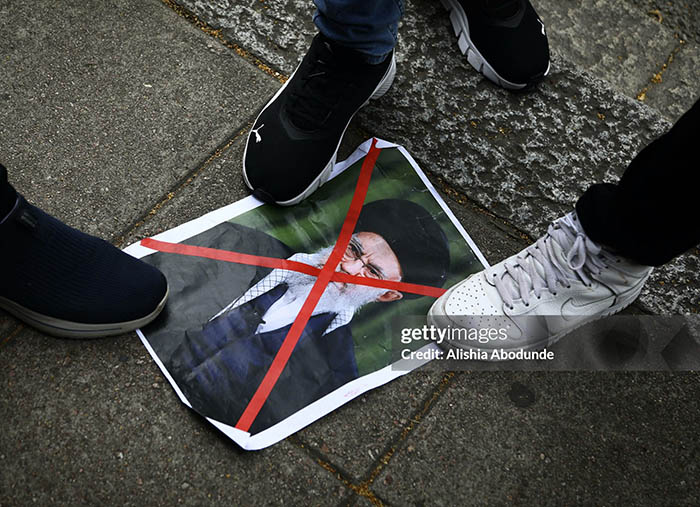
Iran’s political structure is anchored by the Supreme Leader, who commands ideological, military, and political authority. As of 2025, Ayatollah Ali Khamenei’s health remains a source of concern, with rumors of age-related decline and potential succession crises.
- Current Influence:
Khamenei’s grip over Iran’s military, judiciary, and intelligence agencies ensures continuity of hardline policies. His backing is crucial for the Revolutionary Guards’ dominance over Iran’s strategic sectors. - Succession Challenges:
Iran lacks a formal, transparent process for leadership transition. Succession is typically determined within the clerical hierarchy, often by consensus among senior ayatollahs, but political rivalries can complicate this. - Potential Candidates:
The immediate successors could be senior clerics within the Assembly of Experts, a body tasked with selecting the next Supreme Leader. Candidates may include:- Ebrahim Raisi:
The current President (as of 2025), known for his conservative stance, close ties to the IRGC, and hardline policies. - Ayatollahs with military backgrounds:
Such figures could prioritize regional security and military sovereignty. - Reformist-leaning clerics:
Though less likely in the current climate, they could emerge if internal pressures favor moderation.
- Ebrahim Raisi:
Military and Revolutionary Guard’s Role in Leadership
The IRGC has evolved into a formidable political and economic power within Iran, controlling sectors from energy to construction.
- Power Base:
The IRGC’s influence extends beyond military affairs into Iran’s economy and foreign policy, especially in proxy conflicts. - Future Impact:
In a leadership transition, the IRGC’s role may strengthen, possibly leading to an even more militarized government, or conversely, internal factions within the Guard may vie for influence if economic hardships worsen.
The Role of the Judiciary and Religious Institutions
Iran’s judiciary, heavily influenced by conservative clerics, often aligns with the IRGC’s interests, shaping policies on dissent, reform, and foreign engagement.
- Reform prospects:
If economic or social unrest intensifies, factions within these institutions might push for reforms or, alternatively, tighten control.
More stories
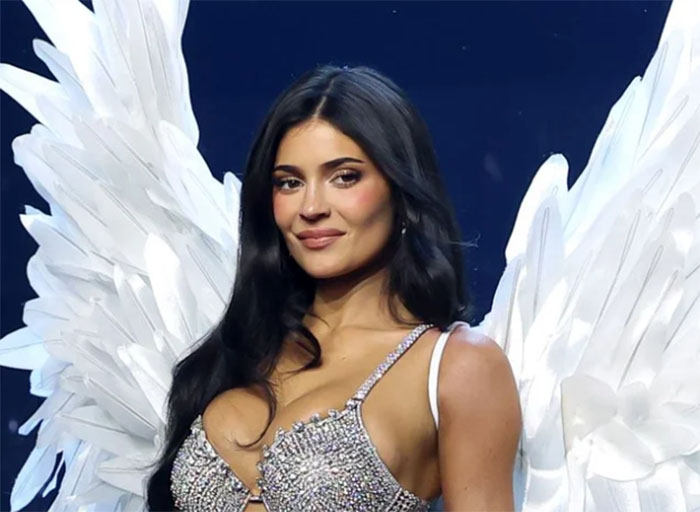
Kylie Jenner Makes Victoria’s Secret Fashion Show Debut in $50 Million Fantasy Bra
Introduction Babak Takhti is an Iranian writer, publisher and the only son of Gholamreza Takhti, the legendary Iranian freestyle wrestler … Continue reading ➝
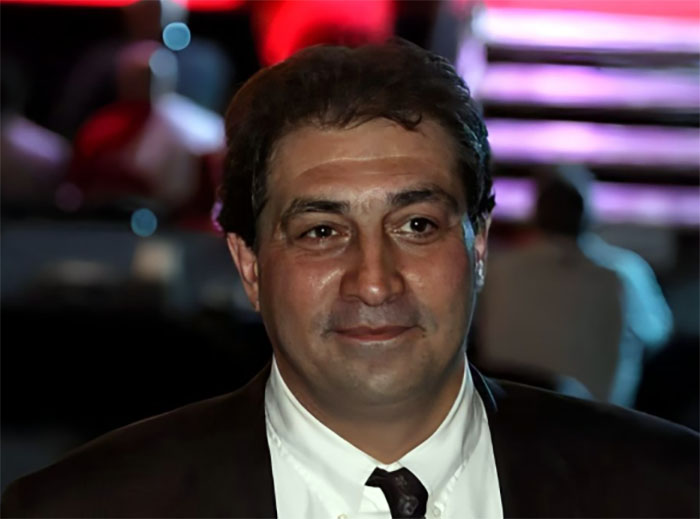
Who Is Babak Takhti? Gholamreza Takhti’s Only Son, His Family, Career, and His Father’s Controversial Death
Introduction Babak Takhti is an Iranian writer, publisher and the only son of Gholamreza Takhti, the legendary Iranian freestyle wrestler … Continue reading ➝
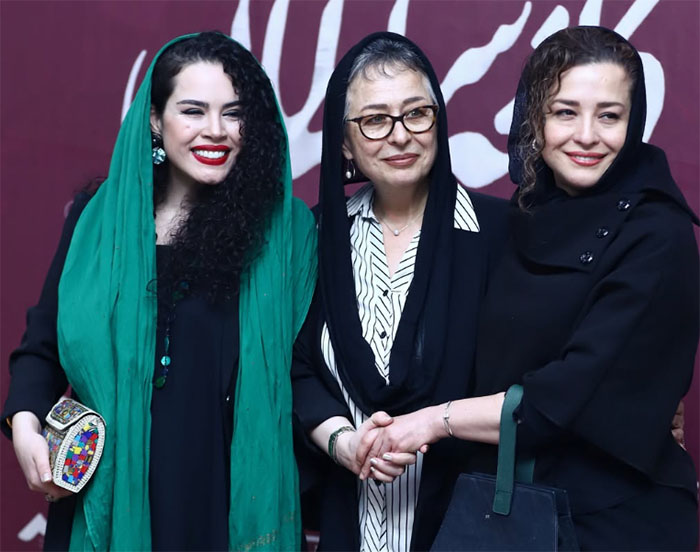
Azita Hajian, Mehraveh Sharifinia and Melika Sharifinia Attend Cafe Soltan Private Screening at Megamall Cinema
Introduction The private screening of Cafe Soltan, the Iranian feature film directed by Mostafa Razagh-Karimi and produced by Morteza Razagh-Karimi, … Continue reading ➝

Bot (Bet) Movie: Hamid Nematollah’s Drama Holds Private Screening at Galleria Cinema Complex
Introduction The Iranian social drama Bot, also transliterated as Bet and associated with the English title Idol, has attracted attention … Continue reading ➝
10 Fascinating Stories About Most Famous Actresses: Behind-the-Scenes Secrets From Iconic Films and TV Shows
Introduction 1. Gohar Kheirandish in Banoo: The Makeup That Could Not Hide Her Beauty Film: Banoo (The Lady) Director: Dariush … Continue reading ➝