International Cooperation on Passport Regulations – January 2026 in London
Context and Background
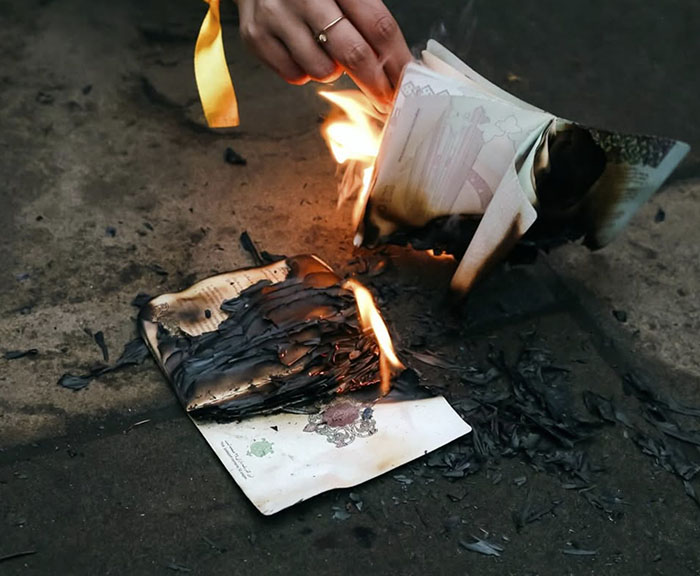
Amid these developments, a significant and controversial incident took place in London— the burning of the passport of the Islamic Republic of Iran. This act was carried out publicly, attracting widespread media attention and diplomatic repercussions.
The event was symbolic, representing deep-seated political tensions, protests, and diplomatic conflicts. The individual responsible, whose identity and motives were subjects of intense debate, claimed to be expressing discontent with the policies of the Islamic Republic or protesting specific actions taken by Iranian authorities.
Details of the Incident
On a cold January day, the protester entered a public space in central London, where they produced the Iranian passport, ignited it in a controlled manner, and set it ablaze. The act was captured on video and circulated widely on social media, sparking reactions worldwide.
Authorities responded swiftly, with police detaining the individual for questioning. The incident was classified as a protest act, but it also raised concerns about diplomatic sensitivities, security protocols, and the potential for escalation.
Diplomatic and International Reactions
The burning of an official government document, especially one representing a sovereign nation like Iran, was met with mixed reactions. Some viewed it as a symbolic gesture of protest against the Iranian regime, echoing historical acts of civil disobedience.
Others criticized the act as disrespectful and potentially provocative, risking diplomatic fallout. Iranian officials condemned the incident, emphasizing its disrespect and potential to harm bilateral relations. The Iranian government issued statements reaffirming their sovereignty and denouncing acts that undermine diplomatic norms.
Implications and Broader Context
This incident occurred amid ongoing tensions between Iran and several Western countries, including issues related to nuclear negotiations, human rights, and regional conflicts. The act of burning the passport was seen as a reflection of these tensions, symbolizing rejection and defiance.
It also raised questions about the security and protection of diplomatic documents, the rights to protest, and the boundaries of civil disobedience in international contexts.
January 27, 2026 | 6:25 pm