The Islamic Republic’s Instrumental Misuse of War Ruins: Propaganda
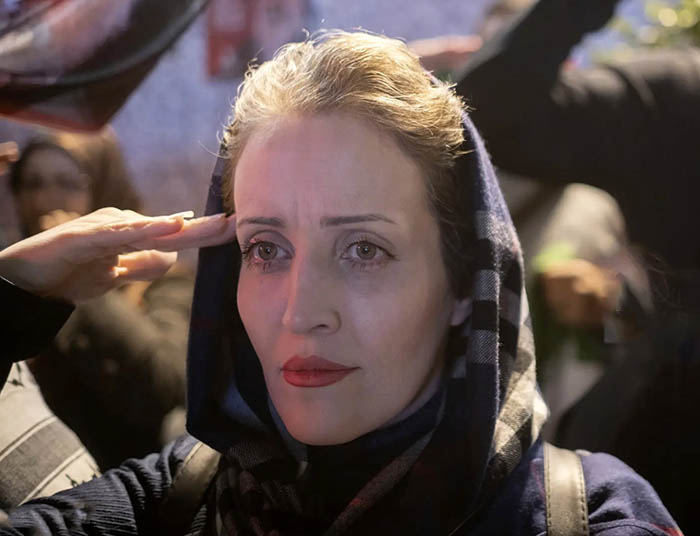
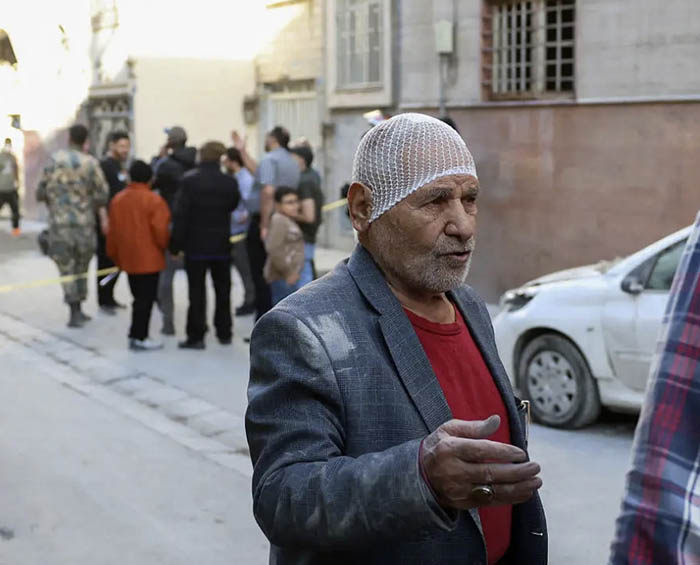
This interaction is carefully framed. The individuals who appear in these scenes often display composure, determination, or solemn reflection rather than visible anger or despair. This controlled emotional tone is significant. It suggests resilience without chaos, strength without instability. Such representation aligns with the broader narrative goals of projecting unity and endurance. It avoids the risk of images that might convey disorder, panic, or loss of control, which could undermine the intended message.
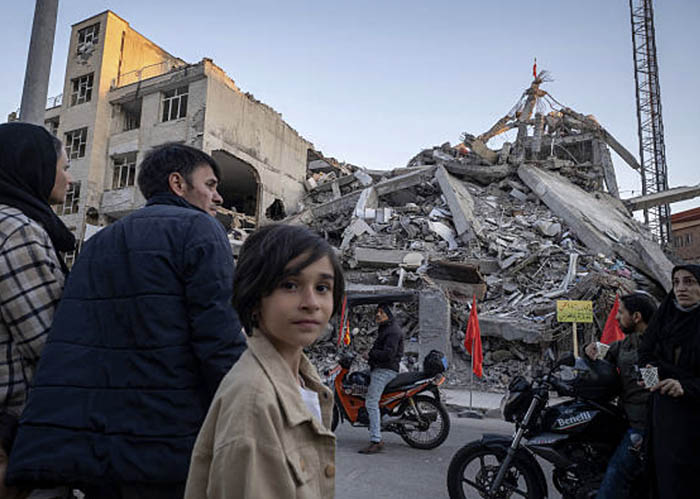
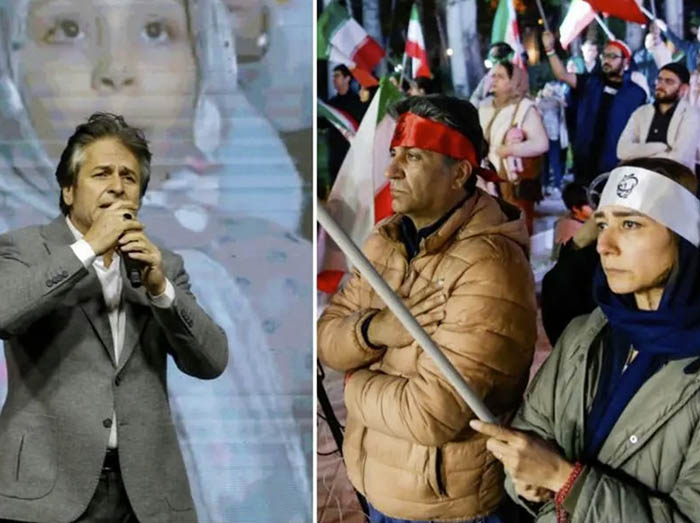
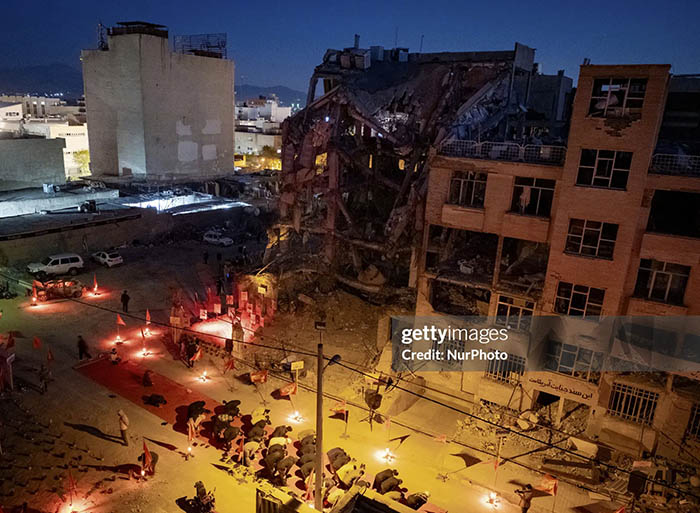
The staging of events within these ruins further contributes to this controlled presentation. The presence of organized gatherings, structured performances, and coordinated activities indicates a level of planning that extends beyond spontaneous public response. These events transform the ruins into temporary stages where specific messages can be performed and recorded. The physical environment provides authenticity, while the structured activities provide clarity of purpose. Together, they create scenes that are both visually compelling and narratively consistent.
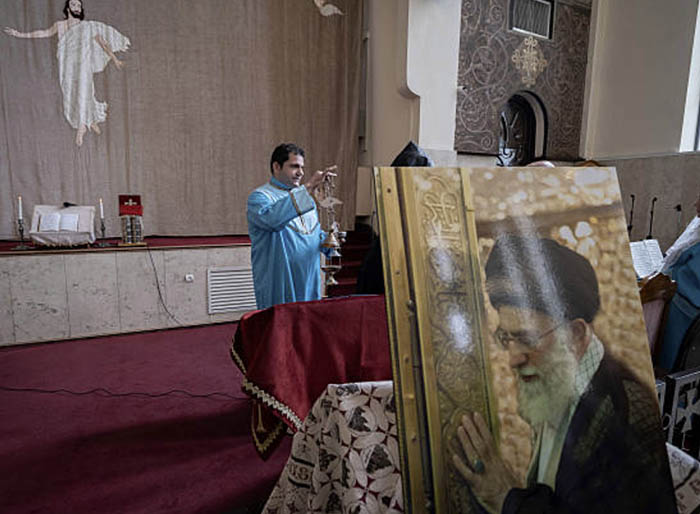
Another important aspect of this strategy is the way it integrates different segments of society into a unified visual narrative. The presence of clerics, families, young people, and community members in the same spaces suggests a broad base of participation. This diversity reinforces the idea that the response to the destruction is collective rather than limited to a specific group. It conveys a sense of national cohesion that transcends individual differences. In doing so, it strengthens the legitimacy of the narrative by presenting it as widely shared.
April 10, 2026 | 6:19 pm