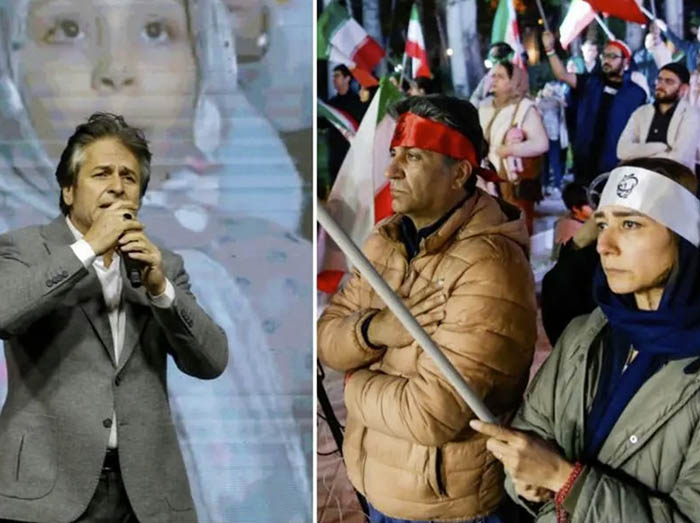
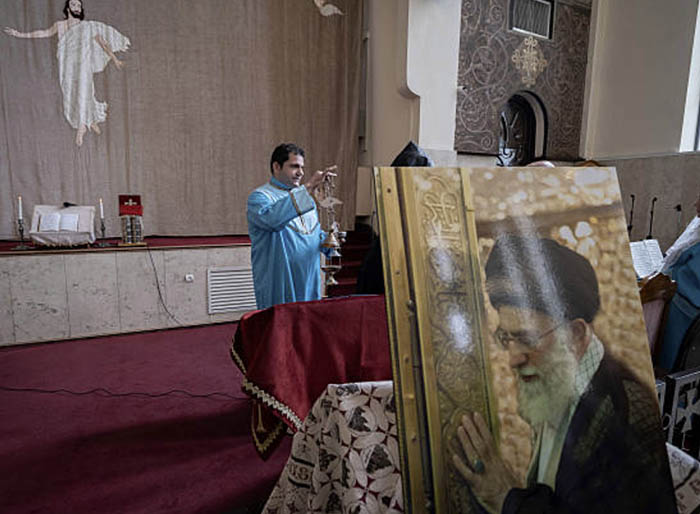
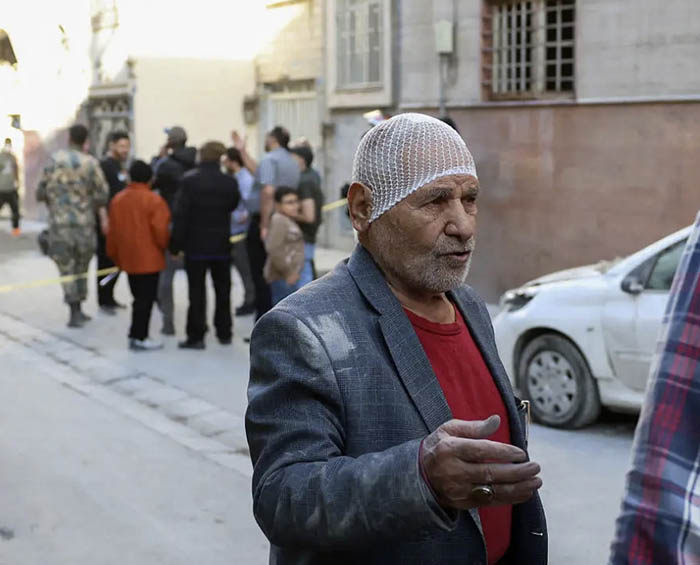
The Islamic Republic’s Instrumental Misuse of War Ruins: Propaganda
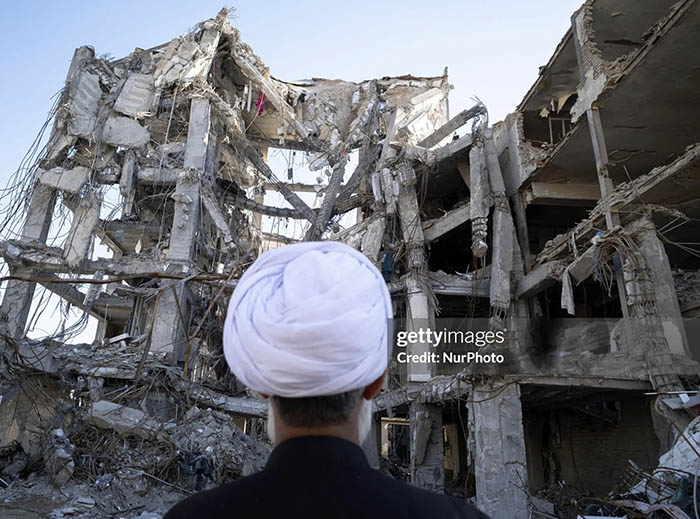
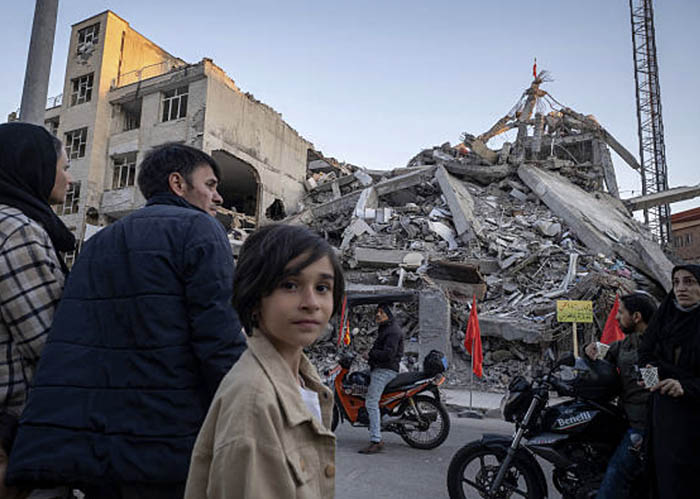
The use of national symbols within these environments adds further depth to the messaging. Flags, colors, and other markers of identity serve as visual anchors that connect the immediate scene to a larger national context. When these symbols appear alongside images of destruction, they create a juxtaposition that emphasizes continuity despite damage. The message becomes one of endurance, suggesting that the nation remains intact even when parts of its physical infrastructure have been compromised.

This interplay between destruction and continuity is central to understanding the broader strategy. The ruins represent disruption, but the human presence within them represents persistence. By highlighting both elements simultaneously, the narrative avoids appearing purely negative or defeatist. Instead, it frames the situation as a test that is being met with strength and determination. This framing is particularly effective in maintaining morale and reinforcing a sense of purpose.

The international dimension of this strategy introduces additional layers of complexity. As images from Tehran circulate globally, they enter into a wider conversation about conflict, responsibility, and legitimacy. Different audiences may interpret the same images in different ways, depending on their prior beliefs, access to information, and political perspectives. For some, the images may reinforce existing criticisms of military actions that result in civilian damage. For others, they may be viewed with skepticism, seen as part of a broader effort to influence perception.

Pages ( 18 of 21 ): « Previous1 ... 1617 18 192021Next »
April 10, 2026 | 6:19 pm