The Islamic Republic’s Instrumental Misuse of War Ruins: Propaganda
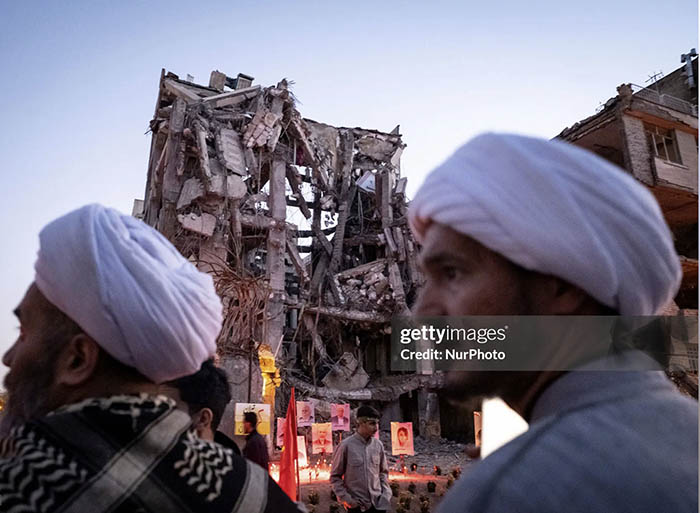
To fully understand the implications of this strategy, it is necessary to examine how visual environments influence political legitimacy. Legitimacy is not constructed solely through laws, institutions, or elections. It is also shaped through perception, and perception is often guided by what people see repeatedly. In this context, the ruins in Tehran are not passive remnants of conflict. They are active components in the construction of authority, reinforcing the idea that the state is both a victim of external aggression and a protector of national identity.
This dual positioning is critical. By presenting itself as a target of powerful actors, the state strengthens its claim to defensive legitimacy. At the same time, by organizing visible responses within the ruins, it projects an image of control and stability. This combination allows the state to navigate a delicate balance between vulnerability and strength. Too much emphasis on vulnerability could suggest, while too much emphasis on strength could undermine the narrative of victimhood. The careful calibration of imagery ensures that both elements are present in a controlled and complementary manner.
The architecture of the ruined spaces also plays a role in shaping interpretation. Collapsed walls, exposed interiors, and scattered debris provide a stark contrast to the structured activities taking place within them. This contrast enhances the visual impact of the scenes. The order imposed by organized gatherings stands out against the disorder of destruction, reinforcing the idea that the state is capable of maintaining coherence even in the face of disruption. The ruins become a backdrop that highlights the presence of authority rather than diminishing it.
April 10, 2026 | 6:19 pmMore stories
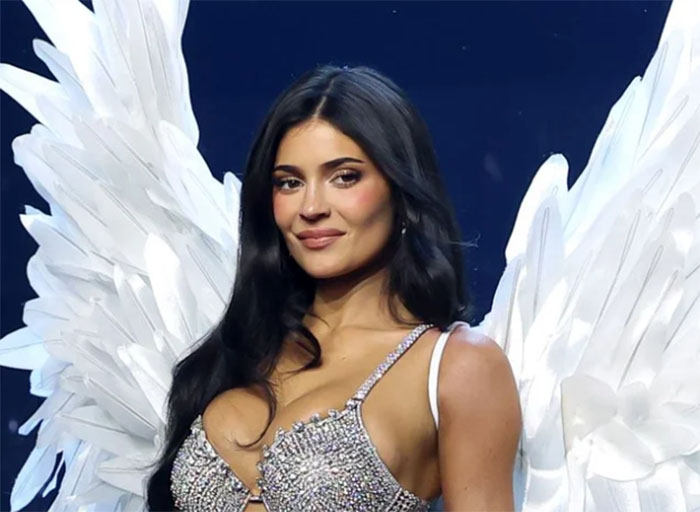
Kylie Jenner Makes Victoria’s Secret Fashion Show Debut in $50 Million Fantasy Bra
Introduction Babak Takhti is an Iranian writer, publisher and the only son of Gholamreza Takhti, the legendary Iranian freestyle wrestler … Continue reading ➝
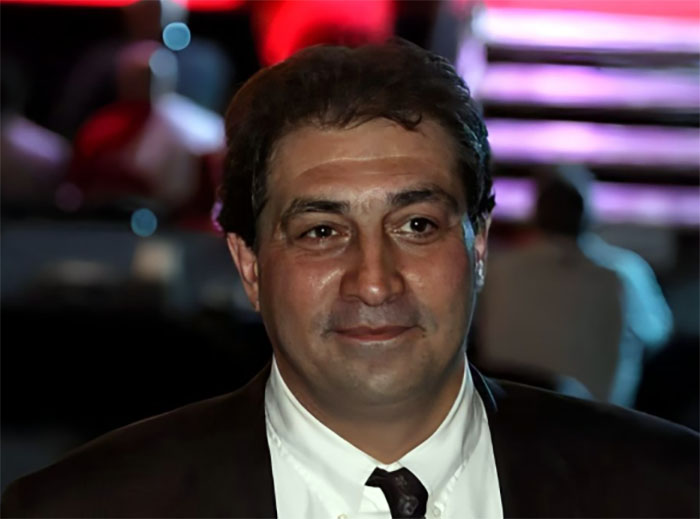
Who Is Babak Takhti? Gholamreza Takhti’s Only Son, His Family, Career, and His Father’s Controversial Death
Introduction Babak Takhti is an Iranian writer, publisher and the only son of Gholamreza Takhti, the legendary Iranian freestyle wrestler … Continue reading ➝
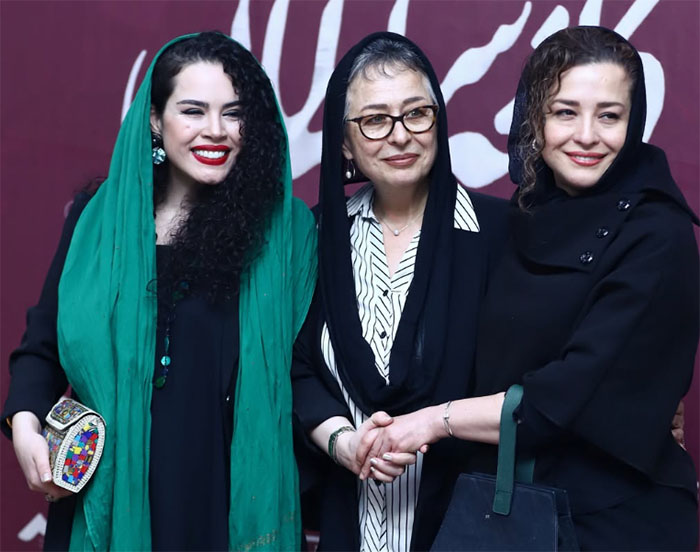
Azita Hajian, Mehraveh Sharifinia and Melika Sharifinia Attend Cafe Soltan Private Screening at Megamall Cinema
Introduction The private screening of Cafe Soltan, the Iranian feature film directed by Mostafa Razagh-Karimi and produced by Morteza Razagh-Karimi, … Continue reading ➝

Bot (Bet) Movie: Hamid Nematollah’s Drama Holds Private Screening at Galleria Cinema Complex
Introduction The Iranian social drama Bot, also transliterated as Bet and associated with the English title Idol, has attracted attention … Continue reading ➝
10 Fascinating Stories About Most Famous Actresses: Behind-the-Scenes Secrets From Iconic Films and TV Shows
Introduction 1. Gohar Kheirandish in Banoo: The Makeup That Could Not Hide Her Beauty Film: Banoo (The Lady) Director: Dariush … Continue reading ➝