The Islamic Republic’s Instrumental Misuse of War Ruins: Propaganda
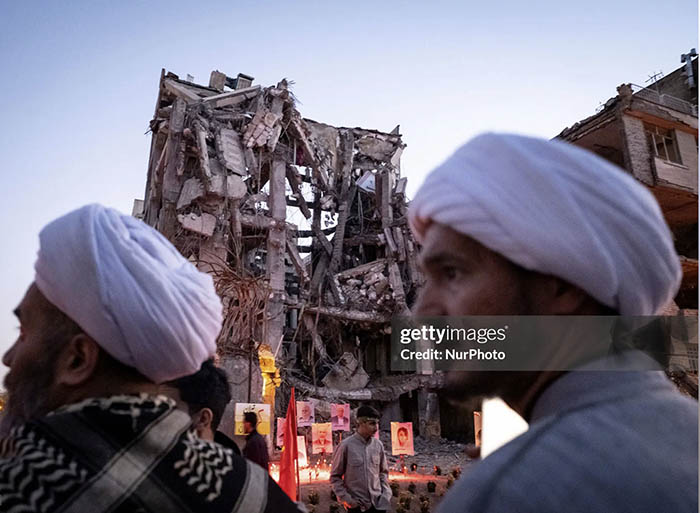
To fully understand the implications of this strategy, it is necessary to examine how visual environments influence political legitimacy. Legitimacy is not constructed solely through laws, institutions, or elections. It is also shaped through perception, and perception is often guided by what people see repeatedly. In this context, the ruins in Tehran are not passive remnants of conflict. They are active components in the construction of authority, reinforcing the idea that the state is both a victim of external aggression and a protector of national identity.
This dual positioning is critical. By presenting itself as a target of powerful actors, the state strengthens its claim to defensive legitimacy. At the same time, by organizing visible responses within the ruins, it projects an image of control and stability. This combination allows the state to navigate a delicate balance between vulnerability and strength. Too much emphasis on vulnerability could suggest, while too much emphasis on strength could undermine the narrative of victimhood. The careful calibration of imagery ensures that both elements are present in a controlled and complementary manner.
The architecture of the ruined spaces also plays a role in shaping interpretation. Collapsed walls, exposed interiors, and scattered debris provide a stark contrast to the structured activities taking place within them. This contrast enhances the visual impact of the scenes. The order imposed by organized gatherings stands out against the disorder of destruction, reinforcing the idea that the state is capable of maintaining coherence even in the face of disruption. The ruins become a backdrop that highlights the presence of authority rather than diminishing it.
April 10, 2026 | 6:19 pmMore stories
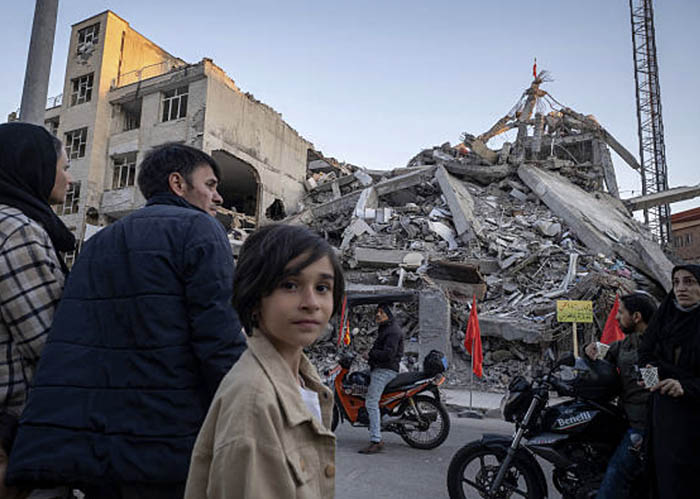
The Islamic Republic’s Instrumental Misuse of War Ruins: Propaganda
Introduction In the aftermath of the March 9 military strikes attributed to joint U.S.-Israeli operations, parts of residential Tehran were … Continue reading ➝
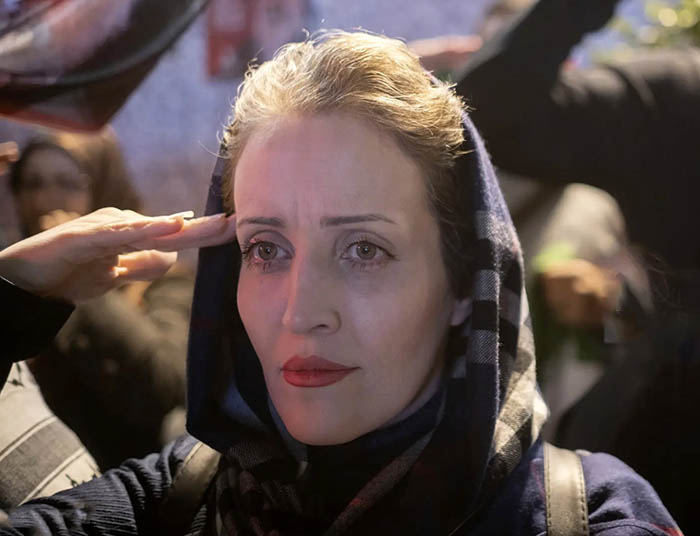
Iran Funeral Ceremony 2026: Rising Tensions After Killing of IRGC Intelligence Chief Majid Khademi
Introduction The funeral ceremony of Majid Khademi, the head of the Islamic Revolutionary Guard Corps (IRGC) Intelligence Organization, has become … Continue reading ➝
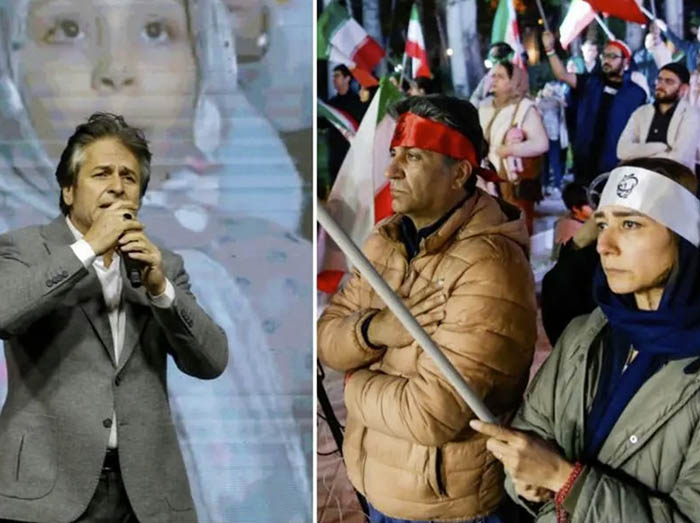
Tajik and Zanko Street Concert in Ferdows Garden: A Powerful Musical Tribute
Introduction On the evening of Tuesday, 18 Farvardin 1405, Ferdows Garden became the heart of an unforgettable cultural moment in … Continue reading ➝
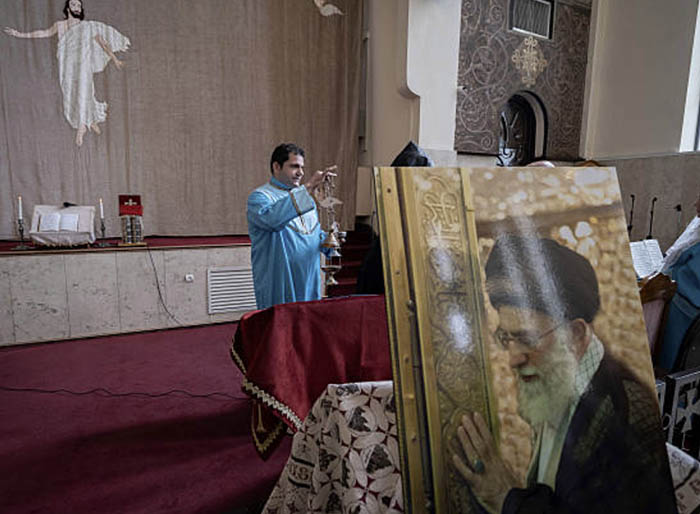
Prayer Ceremony for Late Supreme Leader Ali Khamenei, The bloodthirsty dictator Amid Ceasefire Tensions
Introduction The death of Ali Khamenei on April 8, 2026, has sent shockwaves across Iran and the wider Middle East, … Continue reading ➝
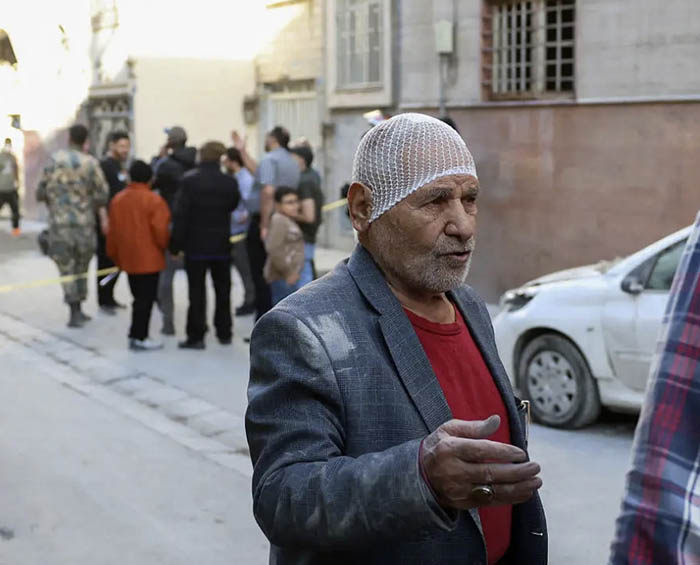
Israeli-American Strikes in Tehran 2026: Synagogue Destroyed Amid Escalating War
Introduction The ongoing conflict between Iran, Israel, and the United States has reached a devastating new chapter. On April 7, … Continue reading ➝