Inflation and Societal Anger: Understanding the Rising Tide of Economic and Social Unrest
The Roots of Societal Anger
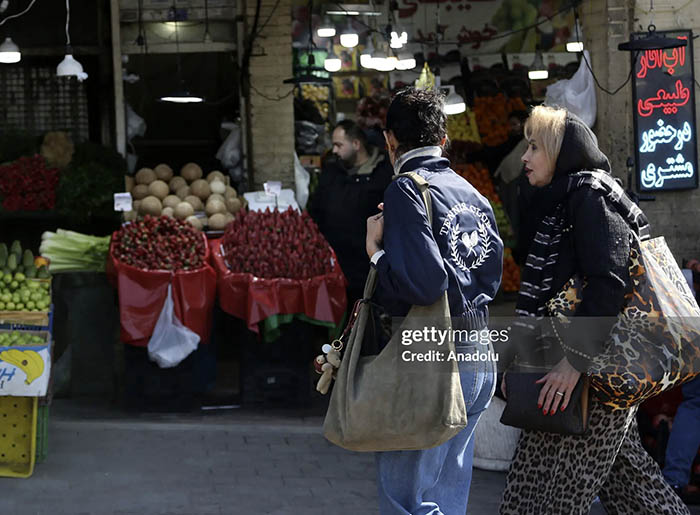
Societal anger doesn’t arise in a vacuum; it is often rooted in a complex web of economic, political, and social issues. When inflation spirals out of control, it exposes and exacerbates existing grievances such as economic inequality, unemployment, and corruption. Citizens perceive economic hardship as a failure of governance, leading to widespread disillusionment and distrust in leadership.
Economic Inequality and Class Divisions
One of the primary catalysts of societal anger is growing economic inequality. When inflation disproportionately impacts lower-income groups while the wealthy maintain their wealth, social tensions intensify. The frustration of the working class and marginalized communities manifests in protests and civil unrest, especially when they see little relief from government policies.
Corruption and Political Instability
Corruption in governance and economic mismanagement further fuel societal unrest. Citizens often blame political elites for failing to control inflation or for enriching themselves at the expense of the public. This perception erodes trust in institutions, leading to protests demanding accountability and reform.
February 16, 2026 | 7:35 pm